

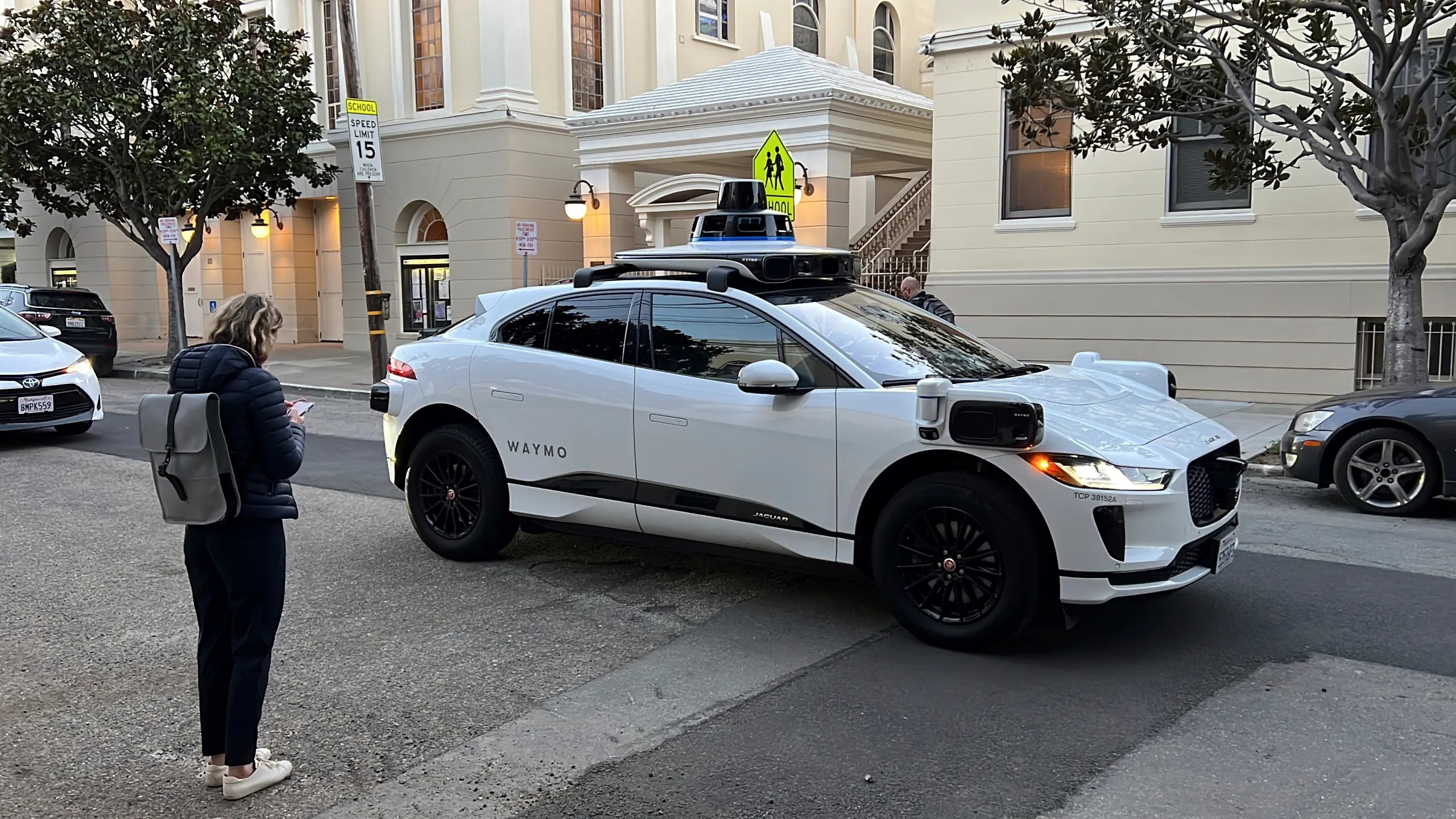
Waymo has deepened its push into the U.S. robo taxi market with a new partnership, this time teaming up with Lyft to launch in Nashville, Tennessee, next year.
The move marks the first commercial deal between the Alphabet-owned autonomous driving company and Lyft, signaling another major step in scaling driverless ride-hailing across the country.
The announcement sent Lyft shares surging 10% on Wednesday, as investors interpreted the deal as a strategic lifeline for the smaller ride-hailing player in its battle with Uber.
Register for Tekedia Mini-MBA edition 20 (June 8 – Sept 5, 2026).
Register for Tekedia AI in Business Masterclass.
Join Tekedia Capital Syndicate and co-invest in great global startups.
Register for Tekedia AI Lab.
Under the agreement, Nashville riders will be able to hail a Waymo robotaxi through the dedicated Waymo One app, while Lyft will also integrate Waymo vehicles into its platform gradually. In exchange, Lyft will provide end-to-end fleet management services, covering vehicle readiness, maintenance, infrastructure, and depot operations in the city, according to a joint statement from both companies.
The collaboration extends Waymo’s already significant lead in the robotaxi sector. The company has established commercial operations in Phoenix, San Francisco, Los Angeles, Austin, and Atlanta, surpassing 10 million paid trips as of May. Its roadmap includes planned rollouts in Miami, Washington, D.C., Dallas, Denver, and now Nashville in 2025.
Lyft CEO David Risher framed the moment as “formative” for the autonomous mobility industry. Speaking on CNBC’s Squawk on the Street, Risher said: “What we see in markets where there are autonomous cars … we actually see those markets growing faster, faster than a lot of the other markets we operate in.”

The deal underscores how the rapid growth of the robotaxi market is stirring fierce competition in the United States. With the potential to reshape urban transport economics, ride-hailing giants are striking partnerships with autonomous vehicle makers in a bid to secure their share of the future.
Uber has been aggressive in positioning itself for the driverless era. Although it sold its self-driving unit in 2020, it has leaned on partnerships, teaming up with Aurora for long-haul trucking and working with Motional to test robotaxis in select markets. The company’s global scale gives it leverage, and with a market capitalization now above $200 billion—roughly 25 times larger than Lyft—it has the financial muscle to push its advantage.
Lyft, by contrast, has faced tighter margins and a smaller market presence, making the Waymo partnership a critical move. While it previously collaborated with Waymo in Phoenix in 2019 and recently launched a pilot with May Mobility in Atlanta, the Nashville rollout marks its most ambitious foray yet into commercial autonomy. Lyft is carving out a niche role in the ecosystem beyond simply matching riders and drivers by providing fleet management for Waymo vehicles.

Tesla, which has long promoted its Full Self-Driving (FSD) software as a stepping stone to autonomy, continues to run limited tests but has yet to field a true commercial robotaxi service. Analysts say its vertically integrated model—selling cars equipped with FSD directly to consumers—could allow it to bypass traditional ride-hailing if its technology proves reliable.
Amazon’s Zoox, meanwhile, is developing purpose-built autonomous vehicles designed specifically for shared rides, though its deployment remains in the testing phase. Smaller startups like Wayve, Nuro, and May Mobility are also competing, focusing on niche markets such as last-mile delivery or shuttle services.
Internationally, Waymo’s most formidable competitor is China’s Baidu, whose Apollo Go service has scaled rapidly. Baidu is also looking outward, announcing partnerships with Lyft to launch in Europe and with Uber to expand into Asia and the Middle East. This global chessboard highlights the urgency for U.S. players to expand quickly or risk losing ground to Chinese rivals.
For now, Waymo’s advantage lies in its proven scale and technology, but the race is far from settled. Each player is pursuing a different strategy: Uber with global reach and partnerships, Lyft with fleet operations and niche alliances, Tesla with a hardware-plus-software consumer model, and Zoox with specialized vehicles.
Analysts believe Nashville is not just another rollout city for Waymo and Lyft—it represents a testbed for how robotaxis will be integrated into mainstream ride-hailing at scale. As the competition intensifies, the winners will likely be those able to balance cutting-edge technology with sustainable business models and consumer trust.