

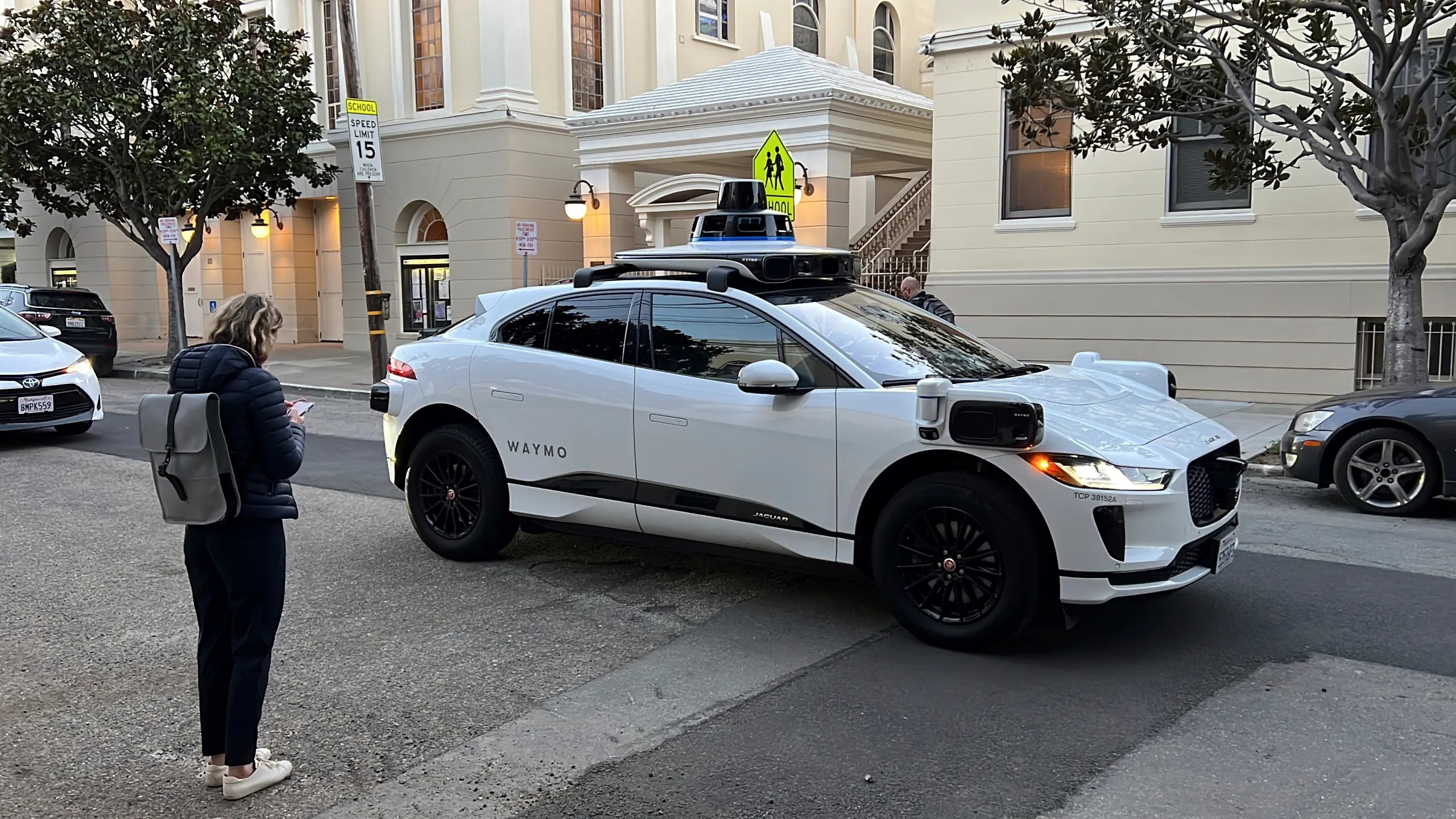
Waymo’s fleet of self-driving cars is not only reshaping transportation but is also emerging as an unexpected potential tool for U.S. law enforcement. Each Waymo robotaxi comes equipped with 29 cameras, creating a vast pool of high-definition video that can be tapped during investigations — a feature authorities are increasingly turning to.
Police have long sought data from tech companies to bolster their surveillance and investigative powers, from Amazon’s Ring doorbells to Google’s location data and Meta’s social platforms. Now, autonomous vehicles represent a new frontier in this broader trend of private technology infrastructure being leveraged by law enforcement.
During an interview on the Hard Fork podcast on Friday, Waymo co-CEO Tekedra Mawakana emphasized the company’s commitment to transparency and due process.
Register for Tekedia Mini-MBA edition 20 (June 8 – Sept 5, 2026).
Register for Tekedia AI in Business Masterclass.
Join Tekedia Capital Syndicate and co-invest in great global startups.
Register for Tekedia AI Lab.
“On the question of when and how law enforcement gets access to our data, we make that publicly known,” Mawakana said. “We follow the legal process to receive footage from our vehicles, and we narrow the scope of that as needed.”
A Waymo spokesperson told Business Insider that the company requires law enforcement to provide a “valid” legal basis before handing over any information.
“As a general matter, we require valid legal process (in the form of a warrant or court order) from law enforcement agencies who seek information and data from Waymo,” the spokesperson said. “Our policy is to challenge, limit, or reject requests that do not have a valid legal basis or are over broad.”

This policy has already been tested. In April, the Los Angeles Police Department released footage obtained from a Waymo vehicle on its YouTube page. The video, marked with the phrase “Waymo Confidential Commercial Information,” showed a hit-and-run incident. That disclosure underscored both the evidentiary value of robotaxi footage and the broader concerns about how much police access could expand as these vehicles proliferate in major U.S. cities.
Waymo’s privacy policy acknowledges that data may be disclosed to law enforcement or third parties “for legal reasons.” It states: “Waymo also uses information to satisfy applicable laws or regulations, and discloses information as required by regulation or in response to legal process or enforceable government requests, including to law enforcement.”
Mawakana admitted that public trust remains fragile. In June, anti-ICE protesters in Los Angeles set five Waymo cars on fire, forcing the company to temporarily suspend service in the area.

“At the end of the day, we need communities to be able to trust us,” Mawakana said. When asked whether the company pushes back against broad requests, she added, “Of course. Not only is it burdensome, but also that’s just our process.”
The debate over Waymo’s role fits into a much larger story of U.S. police relying on private-sector technology as a surveillance backstop. Over the past decade, law enforcement agencies have increasingly leaned on partnerships with big tech companies. Amazon’s Ring, for instance, built an expansive web of doorbell cameras across American neighborhoods, often in collaboration with police departments, sparking concerns about warrantless surveillance and racial profiling.
Google has repeatedly faced criticism over so-called “geofence warrants,” which allow police to demand data on all devices present in a certain area, sweeping in innocent people alongside suspects. Meta, too, has handed over private messages and user data under legal orders, fueling debates about digital privacy and the boundaries of government power.
Against that backdrop, Waymo’s robotaxis — roaming public streets, recording 360-degree footage almost constantly — represent both an innovation in mobility and a potentially powerful surveillance grid. Civil liberties advocates warn that without strict guardrails, the convenience of autonomous cars could be overshadowed by the quiet expansion of state access to private technology.
However, Waymo insists that its policies are designed to strike a balance between legal compliance and user trust. But as the vehicles scale up and their data becomes more valuable to law enforcement, the company may find itself drawn deeper into the broader and increasingly contentious debate over how much power private technology firms should have in shaping the surveillance landscape of modern America.