

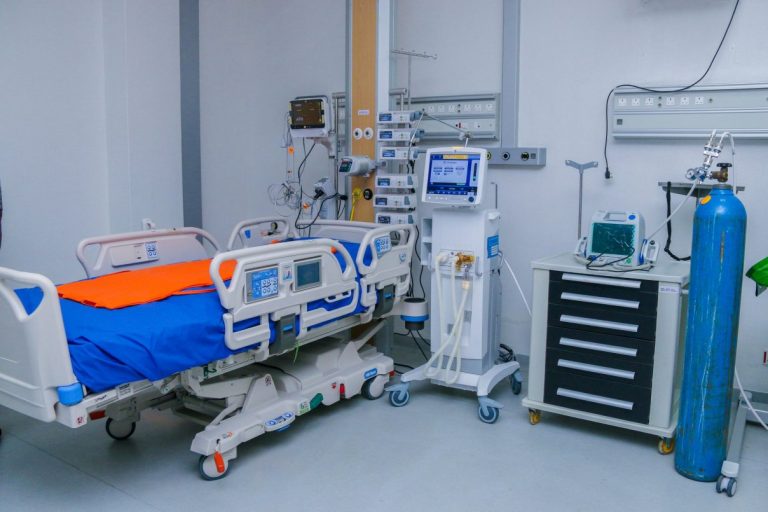
Critical care teams work in one of the most demanding environments in healthcare. Physicians, nurses, respiratory therapists, and other Intensive Care Unit (ICU) professionals must respond quickly to life-threatening conditions while managing complex monitoring, evolving treatment plans, and constant communication across the care team.
For many ICU clinicians, traditional training models can feel difficult to sustain. Fixed seminars, full-day conferences, and rigid schedules may conflict with clinical responsibilities, shift patterns, and staffing needs. Flexible critical care courses offer a practical alternative by allowing clinicians to learn when and where their schedule allows.
Let’s explore why busy ICU teams increasingly choose flexible critical care courses and how they can support both professional development and day-to-day clinical practice.
What Makes the ICU Schedule So Demanding?
ICU clinicians manage some of the most complex and time-sensitive cases in medicine. Their responsibilities often extend beyond direct patient care, making it difficult to set aside long blocks of time for traditional education.
- Managing High-acuity Patients: The ICU practitioners can attend to patients suffering from sepsis, respiratory failure, shock, cardiac emergencies, neurological emergencies, kidney failure, or major trauma, among others.
- Responding to Unpredictable Changes: A patient’s condition can deteriorate quickly, requiring immediate reassessment, escalation of care, or coordination with other specialists.
- Completing Documentation and Handoffs: Accurate charting, medication reconciliation, care transitions, and interdisciplinary communication take time and attention.
- Participating in Rounds and Team Discussions: Daily rounds, family meetings, and collaborative decision-making are essential parts of ICU care but add to an already full schedule.
- Balancing Shifts and Staffing Needs: Night shifts, weekends, on-call responsibilities, and unexpected absences can make it difficult to attend scheduled in-person training.
- Maintaining Licensure and Certification Requirements: Clinicians must continue earning CME credits and, in some cases, MOC points while managing their clinical workload.
- Keeping up With Evolving Evidence: Critical care guidelines, ventilation strategies, hemodynamic management, and infection-related care continue to evolve, making ongoing education essential.
The requirements above explain why there is a lot of interest in critical care classes that provide both flexibility and relevance to the clinic. Learning that can be done in smaller portions, can be reviewed at will, and done even outside the regular class time can work better with ICU life.
How Flexible Critical Care Courses Help
The flexibility of critical care programs is aimed at taking into consideration the practicalities of working in the ICU environment. Rather than forcing clinicians to participate in training sessions at a certain time or place, these programs offer access to educational resources at any convenient time.
| Challenge for Busy ICU Teams | How Flexible Critical Care Courses Help |
| Limited time between shifts and clinical duties | On-demand lessons can be completed in shorter sessions during breaks, commutes, or protected learning time |
| Unpredictable shift patterns | Self-paced courses allow clinicians to learn when their schedule allows, rather than attending a fixed seminar |
| Need to review complex topics repeatedly | Video and audio content can be paused, replayed, and revisited as needed |
| Difficulty coordinating team training | Team members can complete the same course at different times, reducing the need for simultaneous coverage |
| Need to stay current with evolving evidence | Online courses can provide updates on shock, sepsis, respiratory failure, cardiac emergencies, renal support, and trauma |
| Board preparation and MOC requirements | Critical care courses may offer CME credits and MOC points alongside clinical education |
| Different learning preferences | Audio, video, and text-based formats allow clinicians to choose the approach that works best for them |
Moreover, flexible critical care programs will help with knowledge retention as well if they have case-based learning, repetition, and revision of challenging concepts. The doctor can attend a lecture on mechanical ventilation, listen to a recording on his commute, and then go back to the corresponding lecture prior to discussing a complicated patient with his ICU colleagues.
Make Critical Care Learning Fit Your ICU Schedule
Critical care courses are more than a way to meet continuing education requirements. They are a practical tool for helping ICU teams stay current, strengthen clinical decision-making, and manage the demands of a high-acuity environment.
By choosing flexible formats, focusing on relevant clinical topics, and making learning part of a regular routine, ICU clinicians can build a more sustainable approach to professional development.
Online CME course providers like Oakstone offer critical care CME in video, audio, and text-based formats, helping clinicians earn credits flexibly while exploring topics such as shock, sepsis, respiratory failure, cardiac emergencies, renal support, and trauma.