

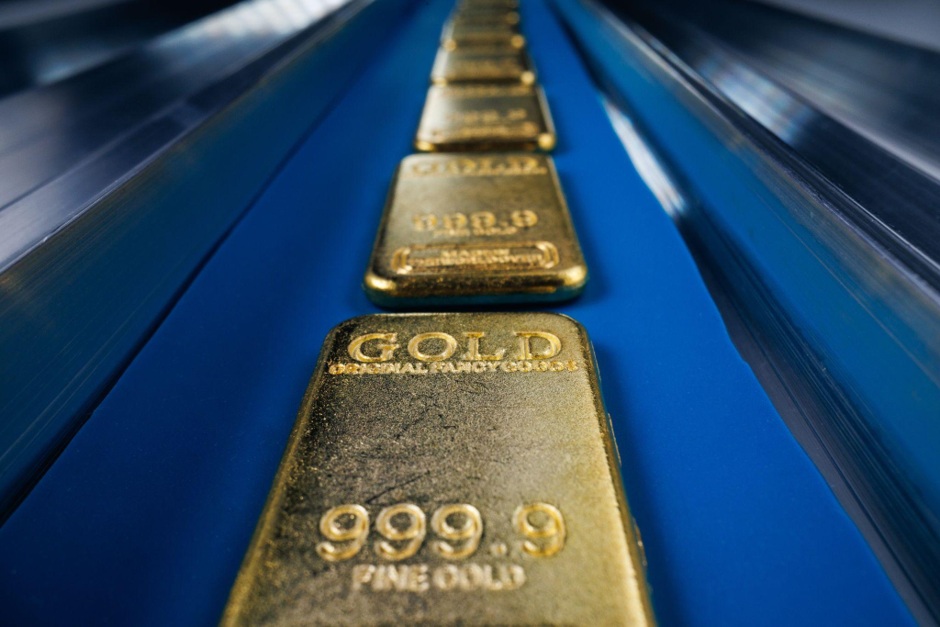
Gold has had a turbulent few months. Spot prices peaked near $5,600 an ounce in late January, then slid to a 14-month low around $3,600 in November as a stronger dollar and expectations of a Federal Reserve rate rise weighed on the market.
Central banks continued buying gold despite the price decline. The World Gold Council (WGC) estimates they added a net 321 tonnes in the third quarter of 2026, 42% more than a year earlier and the strongest quarter since late 2024.
These purchases support global demand for gold. Much of that demand comes from emerging and developing economies, whose central banks are increasing their gold holdings to diversify reserves and reduce exposure to currency volatility and external debt pressures.
Dollar Debt Turns Currency Weakness Into A Balance-Sheet Problem
Many developing economies borrow in dollars but earn revenue in their local currency. When the local currency weakens, the cost of servicing that external debt rises in local terms, even if nothing else changes.
Reserves are the buffer against that shock. Traditionally, central banks have held a substantial share of these reserves in US Treasuries. However, this approach has a weakness: the value of those assets can move with the same dollar cycle that puts pressure on emerging market economies. When the Fed tightens monetary policy, emerging market currencies and Treasury prices can fall at the same time.
Gold behaves differently. It is nobody’s liability, and its value is not tied to the policy decisions of any single government.
How Markets Measure Purchasing Power Against XAU/USD
One way to understand the shift is to look at the prices analysts and market participants monitor. Analysts take the real-time XAU/USD rate, which shows the price of one troy ounce of gold in US dollars, and convert it into local currencies using prevailing exchange rates. Comparing these values across a basket of emerging market currencies helps show how much purchasing power each currency retains against gold.
The maths is simple. If a currency loses a fifth of its value against the dollar while XAU/USD stays flat, an ounce of gold becomes 25% more expensive in that currency. Domestic-currency assets that do not keep pace with this movement lose purchasing power when measured against bullion.
UK investors have seen a milder version of the same effect. When sterling weakens, the price of gold in pounds can rise faster than its dollar price. In August 2019, as Brexit fears hit the pound, sterling gold prices reached a record while the dollar price remained well below its 2011 peak.
For reserve managers in Accra or Ankara, the difference between local gold prices and the dollar benchmark offers a practical measure of currency pressure. It also helps explain why central banks view unencumbered bullion as a neutral reserve asset rather than another investment.
Gold Offers an Alternative to Foreign Financial Claims
The appeal of gold has grown as governments have become more aware of the risks of holding reserves abroad. The immobilisation of Russian central bank assets after 2022 showed that reserves held as claims on foreign institutions can become inaccessible almost overnight. Bars held in a domestic vault, or with a trusted custodian, cannot be frozen by a counterparty.
Gold can also provide liquidity when a country needs foreign currency. Turkey’s central bank sold around 60 tonnes in March and used roughly 80 tonnes more in swaps to raise dollars as the lira came under pressure during the Middle East conflict.
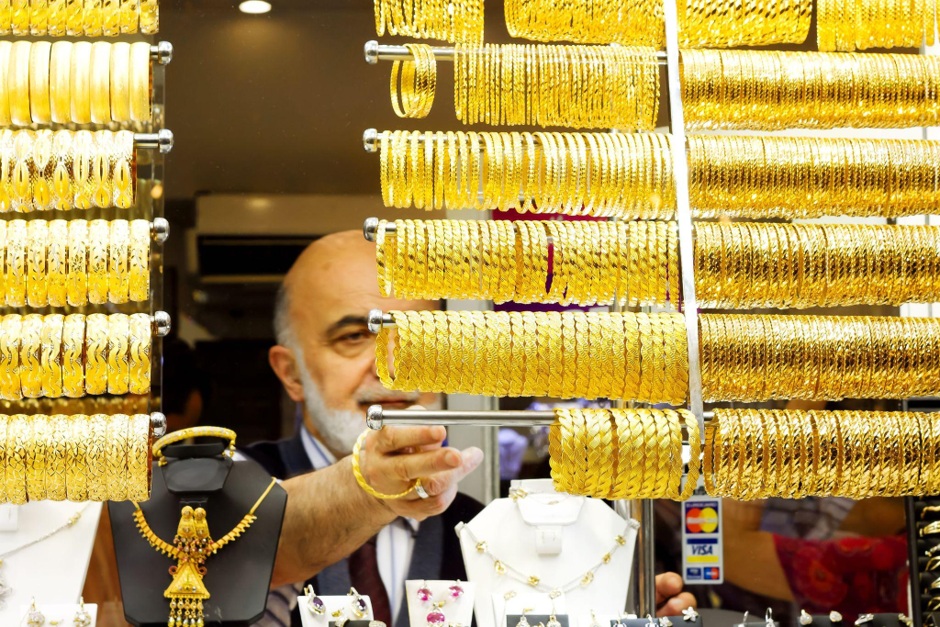
Why London Remains Central to the Gold Market
Much of this activity runs through the City. The WGC’s 2026 survey found the Bank of England remains the favoured storage location for central banks, even as some diversify where they hold their reserves. London vaults held about 9,850 tonnes at the end of October, according to LBMA data that includes the Bank’s own holdings.
London also plays a central role in gold pricing. The LBMA Gold Price is the global reference price that producers, banks and central banks use to price and value contracts.
Domestic Gold Purchases Help Preserve Foreign Currency
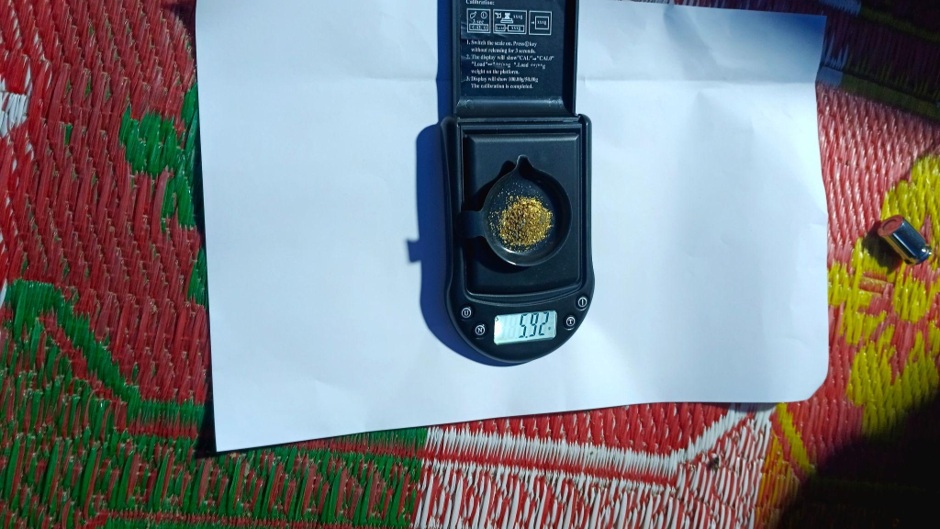
Some central banks are also buying gold from domestic producers and paying in local currency. This approach can reduce the need to spend scarce foreign exchange reserves on bullion purchases. In the WGC’s survey, about half of those planning new purchases expected to fund them this way.
Ghana offers the clearest African example. Officials credit its Domestic Gold Purchase Programme, announced in 2021, with steadying the cedi and rebuilding reserves. However, an IMF paper on the programme identified substantial losses for the Bank of Ghana, exceeding $1.7 billion in 2025 alone. As the scheme was wound down this year, large-scale miners agreed to sell 30% of their output to the state under a new arrangement, up from 20%.
What The Shift Signals For Commodity Markets
Central banks have bought around 1,000 tonnes a year over the past four years, roughly double the previous decade’s pace. In the WGC’s 2026 survey, a record 45% of respondents said they planned to increase their gold holdings over the following 12 months. Purchases this year picked up after a muted start as prices eased from January’s peak, suggesting official buyers treat dips as opportunities.
The European Central Bank’s June report estimated that gold accounted for 27% of global official reserves at the end of 2025, ahead of US Treasuries at 22%. However, the report attributed much of this change to higher gold prices rather than an equivalent increase in the volume of bullion held. This distinction matters because a higher share of gold in official reserves does not necessarily mean central banks have been buying more physical metal.
Gold prices will still react to interest rates and the dollar. However, as emerging economies manage external debt and seek greater control over their reserves, central bank demand for bullion may remain an important source of support for the global gold market. The WGC expects full-year purchases to at least match the 2025 total.