

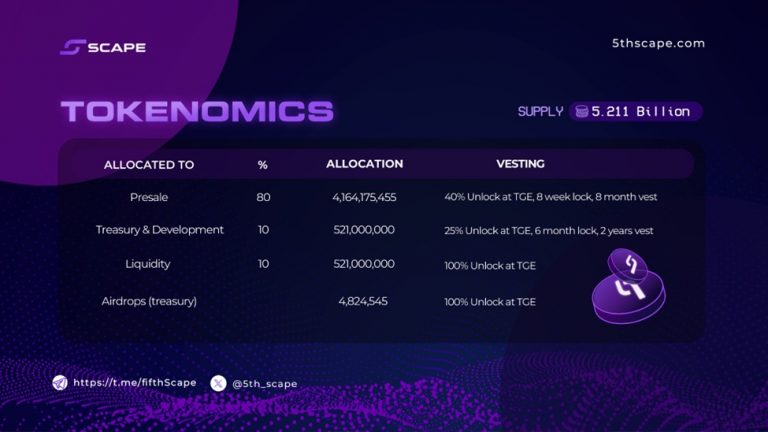
Tokenomics is often described as the economic engine that powers a cryptocurrency project. It determines how tokens are distributed, how incentives are aligned, and how value flows through an ecosystem. Yet despite the growing sophistication of the digital asset industry, most tokenomics models fail long before a project ever reaches meaningful adoption.
In many cases, the seeds of failure are planted before the token is even launched. One of the biggest reasons tokenomics fail is that they are designed to attract speculation rather than create sustainable utility. Project teams frequently focus on generating excitement through airdrops, staking rewards, and aggressive yield incentives.
While these tactics can attract users quickly, they often create a community that is interested only in short-term profits. Once rewards decline or market conditions weaken, participants leave, causing activity and demand to collapse. Another common problem is poor token distribution. Many projects allocate large portions of their token supply to insiders, venture capital investors, advisors, and team members.
Register for the next Tekedia Mini-MBA.
Register for Tekedia AI in Business Masterclass.
Join Tekedia Capital Syndicate and co-invest in great global startups.
Although these stakeholders provide funding and support, excessive allocations can create significant selling pressure when lockup periods expire. Retail investors often become wary of participating in ecosystems where a small group controls a large percentage of the circulating supply, leading to a lack of confidence and weak long-term engagement.
Inflation is another major challenge. Some projects attempt to drive adoption by issuing large numbers of new tokens as rewards. While this strategy can temporarily increase user participation, it often creates a situation where token supply grows faster than demand.
As more tokens enter circulation, prices decline, reducing the attractiveness of holding the asset. Without strong demand drivers, inflationary tokenomics can quickly become unsustainable. A lack of genuine utility also contributes to failure. Many projects launch tokens without clearly defining why users need them. If a token’s primary purpose is speculation, it becomes difficult to maintain value over time.
Successful tokenomics typically connect token ownership to real benefits, such as governance rights, fee reductions, access to services, or participation in ecosystem growth. Without these functions, tokens struggle to justify their existence. Market conditions can further expose weaknesses in token design. During bull markets, flawed tokenomics are often hidden by rising prices and abundant liquidity.

Investors focus on momentum rather than fundamentals. However, when markets become more challenging, unsustainable incentive structures, poor distribution models, and weak utility become obvious. Projects that appeared successful during periods of optimism can quickly unravel when demand slows. Another overlooked issue is excessive complexity.
Some teams design intricate token systems involving multiple reward mechanisms, burns, emissions schedules, and governance layers. While these structures may appear innovative, they can confuse users and discourage participation. Simplicity often proves more effective than complexity when building long-term economic systems.
Most tokenomics fail before launch because they prioritize fundraising and hype over sustainable economic design. Successful token economies require balanced incentives, fair distribution, meaningful utility, controlled inflation, and alignment between users, developers, and investors. As the cryptocurrency industry matures, projects that treat tokenomics as a long-term economic framework rather than a marketing tool will be far more likely to survive and thrive in competitive markets.
