

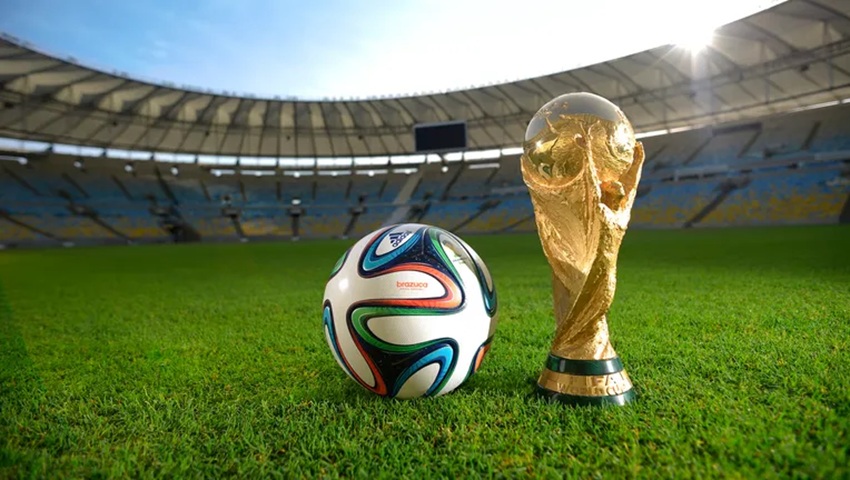
The FIFA World Cup sits at the intersection of sport, economics, and public policy, functioning as far more than a global football tournament. It is a macroeconomic event that reshapes investment flows, infrastructure development, and governance priorities in host nations.
As global attention converges every four years, the tournament becomes a lens through which states project soft power, stimulate domestic industries, and accelerate long-term urban transformation.
From an economic perspective, mega-sporting events generate direct, indirect, and induced impacts across multiple sectors.
Tourism, hospitality, broadcasting rights, sponsorship markets, and digital media ecosystems expand rapidly in the lead-up to the tournament. According to the World Economic Forum, sport is among the top 10 industries driving global growth by 2030.
Register for the next Tekedia Mini-MBA.
Register for Tekedia AI in Business Masterclass.
Join Tekedia Capital Syndicate and co-invest in great global startups.
With projections estimating that the global sports economy could reach $8.8 trillion by 2050. This scale positions football, and particularly the World Cup, as a structural component of the global services economy rather than a niche entertainment industry.
Public policy considerations are equally significant. Host governments often justify large-scale public spending on stadiums, transport systems, security infrastructure, and urban redevelopment projects.
These investments are typically framed as catalysts for long-term development, though they also raise debates around opportunity costs, fiscal discipline, and equitable distribution of benefits. Policymakers must balance short-term political gains with long-term economic sustainability.

Particularly in emerging economies where public resources are constrained. The governance dimension of the World Cup further highlights its policy relevance. Institutions such as FIFA coordinate with national governments to enforce regulatory frameworks that span labor laws, environmental standards, and commercial rights.
The bidding process itself has evolved into a highly politicized arena, where transparency, corruption risks, and geopolitical considerations influence outcomes. As a result, the tournament becomes a site of global governance experimentation, blending private authority with sovereign state power.
Beyond economics and policy, the World Cup also functions as a geopolitical instrument. Nations use hosting rights to signal stability, modernity, and global integration.
Broadcast reach amplifies cultural narratives, shaping international perception in ways that extend beyond sport. For emerging markets, successful hosting can enhance foreign investment appeal, while for established economies, it reinforces brand equity and diplomatic influence.

The FIFA World Cup exemplifies the convergence of sport, capital, and statecraft. It operates within a rapidly expanding global sports economy and reflects broader shifts in how entertainment industries interact with financial markets and governance systems.
The World Cup will remain a central case study in the economics and politics of globalized sport. The modern World Cup increasingly reflects the rise of data-driven sport economics, where analytics, broadcasting innovation, and digital fan engagement platforms significantly influence revenue models and consumption patterns.
Climate considerations have also become central, as host nations face pressure to reduce carbon emissions associated with stadium construction, international travel, and large-scale event logistics. These emerging constraints are reshaping how policymakers evaluate bids and design legacy infrastructure strategies that extend beyond the tournament cycle itself.
The World Cup is not only an economic accelerator but also a laboratory for sustainable development in global sport. The tournament therefore continues to redefine relationships between states, markets, and global sporting institutions over time as economic scale and geopolitical stakes continue to rise in future editions of the competition and beyond globally.