

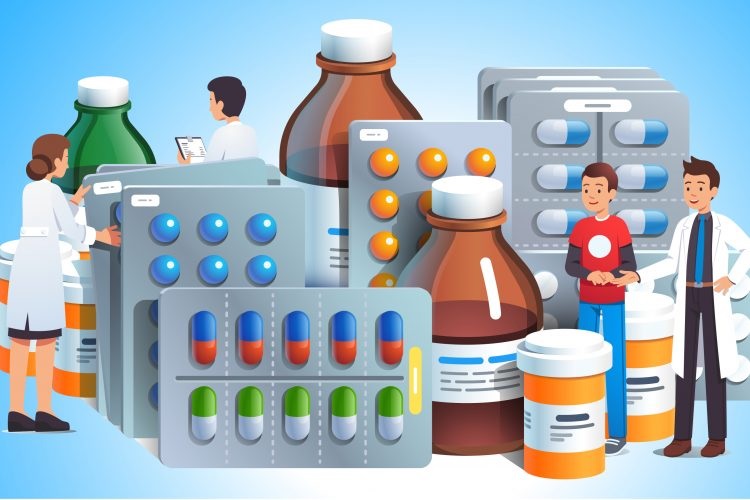
In an increasingly interconnected world, the pharmaceutical industry is no longer confined by national borders. Patients now have access to medications from multiple countries, offering both opportunities and challenges. Cross-border pharmacy markets have grown significantly, providing access to essential medications at more affordable prices, especially in countries where healthcare costs are high.
However, this expanded access comes with a responsibility: ensuring that medications are safe, effective, and reliable. Transparency and regulation play a pivotal role in maintaining trust and protecting public health in this complex landscape.
The Rise of Cross-Border Pharmacies
The growth of the cross-border pharmacy market has been fueled by several factors. Rising prescription costs in some countries have led patients to seek more affordable alternatives abroad. Digital technology and e-commerce platforms have made it easier to compare prices, read reviews, and purchase medications online. For many patients, especially those managing chronic conditions like diabetes, accessing medication at a reasonable cost is not just a matter of convenience—it is essential for health and well-being.
The convenience of international pharmacies also introduces risks. The quality and authenticity of medications may vary, and without proper oversight, patients can be exposed to counterfeit or substandard products. This makes transparency in operations and strict regulatory frameworks more critical than ever.
The Importance of Transparency
Transparency is a cornerstone of trust in the pharmaceutical industry. Patients must be able to verify the origin of their medications, understand dosage instructions, and access information about potential side effects. In the cross-border market, transparency also includes clear communication about shipping procedures, legal compliance, and pricing structures.
For instance, when patients choose to get Ozempic from Canada, they are not merely buying a product; they are engaging with a system that must guarantee the medication’s authenticity and adherence to manufacturing standards. Transparent practices, such as providing batch numbers, expiry dates, and certificates of analysis, ensure that patients can make informed decisions and avoid counterfeit products.
Transparency also fosters accountability. When cross-border pharmacies operate openly, regulatory authorities can monitor compliance more effectively, and patients can report issues with greater confidence. This creates a safer, more reliable environment for international pharmaceutical trade.
The Role of Regulation
While transparency builds trust, regulation enforces it. Regulatory oversight ensures that pharmacies—whether domestic or international—adhere to rigorous standards of safety, quality, and efficacy. In the cross-border context, this includes compliance with both the exporting and importing countries’ legal requirements.
Regulation addresses several key challenges. First, it combats counterfeit medications. Counterfeit drugs can be ineffective, dangerous, or even lethal. Regulatory bodies establish verification protocols, track supply chains, and enforce penalties for violations, making it significantly harder for counterfeit products to enter the market.
Regulation ensures that pharmacies operate ethically and responsibly. This includes proper storage of medications, accurate labeling, and adherence to prescription requirements. Without regulatory oversight, patients may unknowingly receive incorrect dosages or expired medications, which can have serious health consequences.
Bridging the Gap Between Accessibility and Safety
One of the key challenges in cross-border pharmacy markets is balancing accessibility with safety. Affordable medications should not come at the cost of compromised quality or patient safety. Transparent operations and strict regulatory frameworks work together to bridge this gap.
Patients benefit when pharmacies provide clear information about sourcing, pricing, and legal compliance. This empowers them to make informed decisions and reduces the risk of harm from counterfeit or substandard products. Meanwhile, regulation ensures that these protections are not optional, creating a standardized system that safeguards public health.
Cross-border pharmacies that emphasize both transparency and regulatory compliance can build long-term trust with patients. This trust is critical, as healthcare decisions are deeply personal and often involve managing chronic or life-threatening conditions. Patients must feel confident that their medication is safe, effective, and legally sourced, regardless of where it comes from.
The Patient Perspective
From the patient’s perspective, transparency and regulation are not abstract concepts—they directly impact health outcomes. For individuals managing chronic conditions like diabetes, consistent access to reliable medication can mean the difference between stability and serious health complications.
Consider a patient seeking to get Ozempic from Canada. A transparent and regulated process ensures that the medication is genuine, correctly dosed, and safely shipped. It also provides reassurance that any issues encountered can be addressed through proper channels, rather than leaving patients vulnerable to scams or unsafe products.
In addition, transparency allows patients to compare options, understand costs, and make informed choices about their healthcare. When patients have access to comprehensive information, they can participate actively in their treatment plans, fostering better adherence and overall health outcomes.
The Global Implications
The implications of transparency and regulation extend beyond individual patients. A well-regulated cross-border pharmacy market strengthens global public health by minimizing the circulation of counterfeit drugs, standardizing quality across borders, and promoting ethical business practices.
Countries that collaborate on regulatory frameworks can create safer international trade routes for pharmaceuticals. By aligning standards and sharing oversight responsibilities, governments can ensure that cross-border pharmacies are accountable and that patients worldwide have access to safe, effective medications.
Conclusion
The growth of the cross-border pharmacy market represents a remarkable opportunity to improve access to essential medications. However, this potential can only be realized when transparency and regulation are prioritized. Transparency ensures that patients have the information they need to make informed decisions, while regulation guarantees the safety, quality, and authenticity of medications.
By fostering a culture of openness and compliance, cross-border pharmacies can build trust with patients, support better health outcomes, and contribute to a safer, more reliable global pharmaceutical system. For patients seeking cost-effective options without compromising safety, choosing a transparent and regulated source is essential. Whether navigating diabetes management or other chronic conditions, the assurance provided by these standards empowers patients to take control of their health with confidence.