

Warren Buffett, one of the world’s most celebrated investors and philanthropists, has pledged to give away the vast majority of his fortune, which is estimated to be worth well over $100 billion.
Over the years, much of his charitable giving has been directed toward health, education, poverty alleviation, and social development through organizations such as the Bill & Melinda Gates Foundation and foundations run by his children.
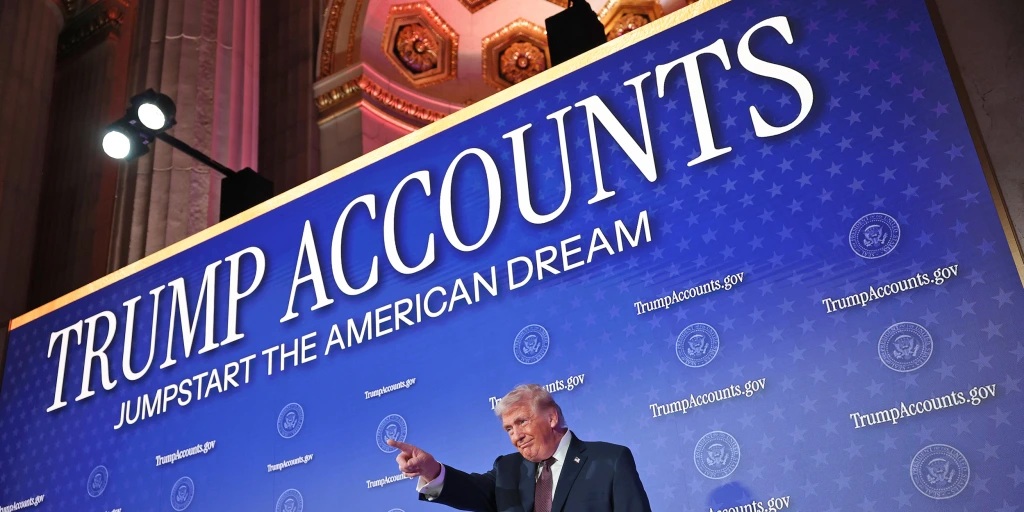
However, a new debate has emerged after the architect of the proposed Trump Accounts program suggested that Buffett should consider channeling some of his immense wealth toward the initiative.
Trump Accounts are envisioned as investment accounts designed to help young Americans build long-term financial security. The idea centers on providing individuals, particularly children and lower-income families, with access to investment opportunities from an early age.
Register for the next Tekedia Mini-MBA.
Register for Tekedia AI in Business Masterclass.
Join Tekedia Capital Syndicate and co-invest in great global startups.
Supporters argue that these accounts could encourage a culture of saving and investing, helping to narrow the wealth gap that has widened significantly in recent decades. The proposal reflects a growing concern in the United States over economic inequality and declining financial mobility.
While millions of Americans struggle with rising housing costs, student debt, and inflationary pressures, the nation’s wealthiest citizens continue to accumulate significant gains from the stock market and other assets. Advocates of Trump Accounts believe that creating investment opportunities at birth or during childhood could allow more Americans to benefit from the power of compound growth over time.
Those calling for Buffett’s support point to his long-standing belief in capitalism and the power of investing. Buffett has repeatedly emphasized that the stock market remains one of the greatest wealth-creating mechanisms ever devised. His own fortune was built largely through patient investing and the reinvestment of returns over many decades.
From this perspective, directing some philanthropic resources toward investment accounts for ordinary Americans may align with his broader philosophy of economic empowerment.

Supporters also note that Buffett has often spoken about the importance of creating opportunities rather than merely addressing symptoms of poverty. Providing young people with financial assets and investment education could, in theory, offer long-term benefits that extend beyond traditional charitable assistance.
If structured effectively, such accounts might encourage financial literacy, increase participation in capital markets, and promote a greater sense of economic inclusion. Critics are likely to question whether Trump Accounts represent the most effective use of philanthropic resources.
Buffett has historically prioritized causes with measurable impacts on health, education, and humanitarian development. Programs aimed at combating disease, improving educational access, and supporting vulnerable communities have immediate and tangible outcomes. By contrast, investment-based initiatives carry market risks and may take decades to demonstrate meaningful results.

The political branding surrounding the program could become a source of controversy. Buffett has generally maintained a cautious distance from overtly partisan initiatives, preferring to support broad-based charitable causes rather than politically charged programs. Any association with a policy carrying a strong political identity may not align with his traditional philanthropic approach.
The discussion raises important questions about the future of philanthropy in an era of growing wealth inequality. Should billionaires focus solely on charitable relief efforts, or should they also invest in programs designed to create generational wealth and financial independence for ordinary citizens?
Whether or not Warren Buffett chooses to support Trump Accounts, the proposal has succeeded in sparking a wider conversation about how private wealth can be used to expand economic opportunity. As debates over inequality and financial inclusion intensify, innovative approaches to philanthropy and wealth distribution are likely to remain at the center of public discourse for years to come.