

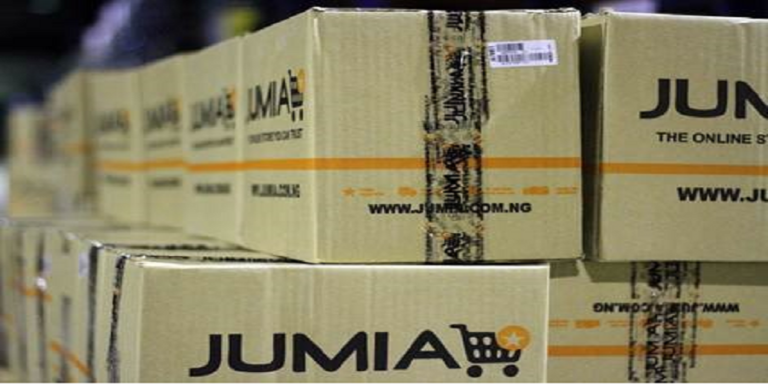
The World Bank Group is supporting the expansion of Africa’s digital commerce infrastructure through a $25 million equity investment in Jumia Technologies, Africa’s largest public e-commerce platform.
The investment, made by the International Finance Corporation (IFC), the private sector arm of the World Bank Group, is expected to strengthen Jumia’s marketplace and logistics network across its core African markets while creating greater opportunities for small businesses to participate in the digital economy.
The initiative is expected to support approximately 60,000 local annual active sellers, around 1,800 direct jobs, and income-generating opportunities for more than 100,000 independent sales agents.
Register for the next Tekedia Mini-MBA.
Register for Tekedia AI in Business Masterclass.
Join Tekedia Capital Syndicate and co-invest in great global startups.
Digital commerce is expanding rapidly across Africa, driven by increasing internet penetration, smartphone adoption, digital payments, and a growing population of young, tech-savvy consumers.
E-commerce platforms like Jumia are making it easier for businesses to reach customers beyond traditional physical markets, while digital payment infrastructure is helping more people participate in the formal economy.
Across the continent, small and medium-sized businesses are increasingly using online marketplaces, social media, mobile money, and digital financial services to sell products and receive payments.

As digital commerce continues to expand across Africa, access to online marketplaces, logistics infrastructure, and digital payment services is becoming increasingly important for entrepreneurs and small businesses seeking to reach customers beyond their local markets.
Stronger digital commerce infrastructure can enable businesses to increase sales, improve productivity, and connect consumers with a broader range of affordable goods and services.
Through its investment in Jumia, the IFC aims to support the company’s next phase of growth while expanding access to digital commerce tools and services. The initiative is also expected to improve price transparency, digitize supply chains and distribution channels, and contribute to more inclusive and resilient private sector development across the continent.

Commenting on the investment, Jumia CEO Francis Dufay said,
“The support of the World Bank Group is a milestone for Jumia and for African e-commerce more broadly. It validates both the discipline we have brought to our business in recent years and the tangible impact our platform has on small businesses, jobs, and consumers across our eight markets. With partners like the IFC, we can accelerate the digital commerce infrastructure Africa needs”.
Also commenting, Farid Fezoua, Director for Equity, Funds, and Venture Capital at the International Finance Corporation, World Bank Group, said,
“Jumia demonstrates how pan-African e-commerce platforms can expand economic opportunity at scale. Our investment supports the company’s next phase of growth while contributing to create jobs, digitizing supply chains and distributions channels and mobilizing private investment”
Jumia has played a significant role in helping small businesses move from predominantly offline commerce into the digital economy. Its contribution can be understood in several key areas:
•Access to wider markets: Jumia gives small businesses access to millions of consumers through its online marketplace, allowing sellers to reach customers beyond their immediate cities or physical stores.
•Digital storefront: Small businesses can list their products online without having to build and maintain their own e-commerce websites. This lowers the barrier to entering digital commerce and gives smaller merchants a structured platform to showcase their products.
•Logistics and delivery: Through Jumia Logistics, sellers gain access to warehouses, pickup and drop-off locations, and a network of third-party logistics providers. This helps address one of the biggest challenges for African e-commerce businesses: getting products from sellers to customers efficiently.
The recent investment underscores the growing role of digital commerce in expanding market access, supporting entrepreneurship, and strengthening economic opportunities across Africa.