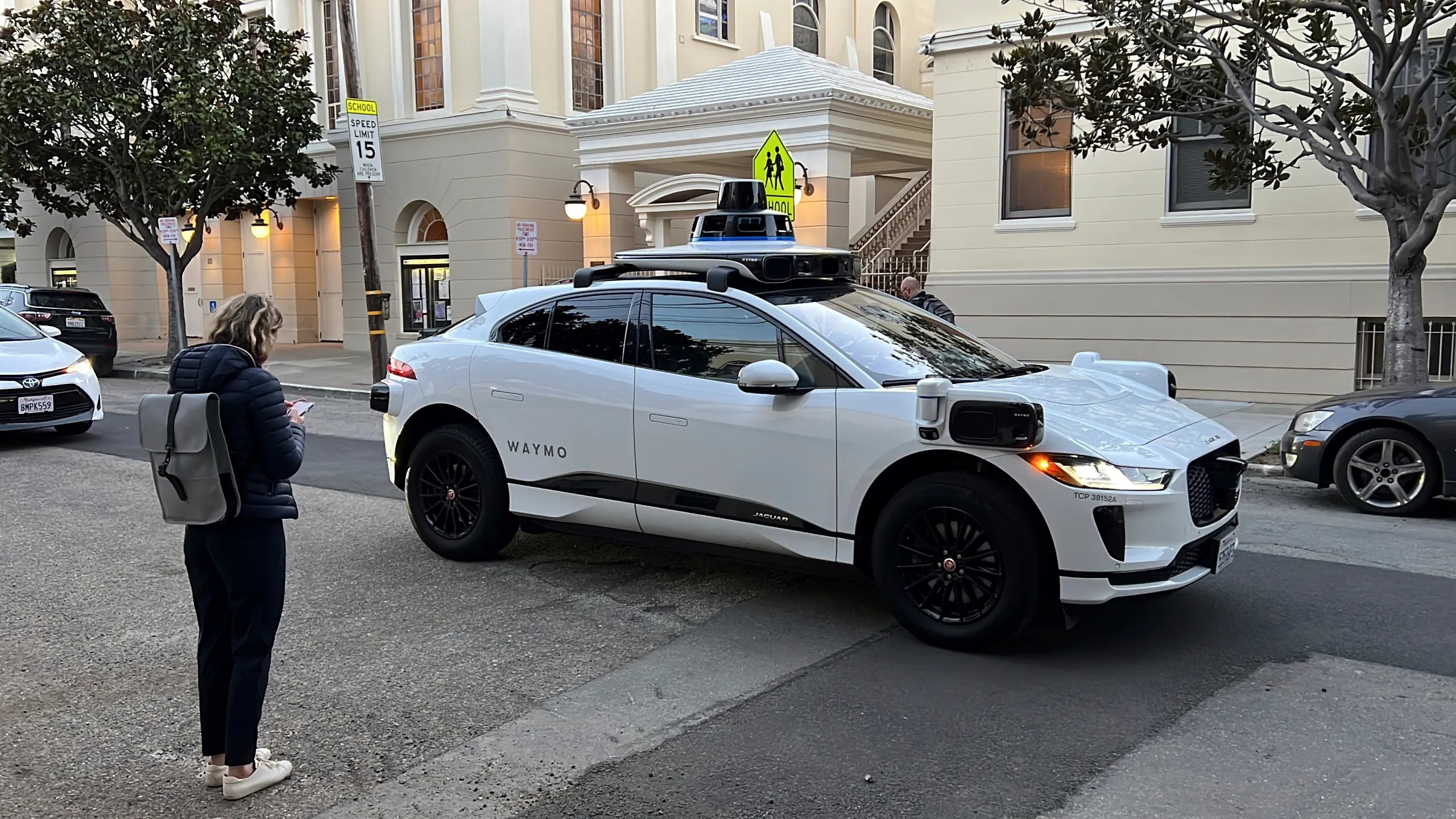
Alphabet-owned Waymo has temporarily suspended its robotaxi freeway operations across major U.S. markets and paused services in Atlanta, a setback that reveals the growing operational and regulatory pressures facing autonomous vehicle companies as they push toward large-scale commercial deployment.
The company said Thursday it halted freeway rides in cities including San Francisco, Los Angeles, Phoenix, and Miami while it updates software designed to better navigate construction zones and flooded roadways. The move follows a recent recall affecting about 3,800 autonomous vehicles after Waymo identified scenarios in which some robotaxis could enter flooded roads with higher speed limits.
“We have temporarily paused freeway operations, as we work to integrate recent technical learnings into our software and expect to resume these routes soon,” a Waymo spokesperson said.
The decision comes at a delicate moment for the self-driving industry. After years of cautious testing, autonomous vehicle firms are accelerating commercial rollouts amid mounting investor expectations that robotaxis could become one of the defining transportation businesses of the AI era. But the latest suspension highlights how edge-case scenarios such as flash floods, temporary lane diversions, and unpredictable construction layouts remain among the hardest challenges for autonomous driving systems.
The Atlanta suspension appears to have been triggered by a high-profile incident on Wednesday in which an unoccupied Waymo vehicle stopped in floodwater during operations conducted through its partnership with Uber Technologies. While no injuries were reported, the episode lent credence to industry concerns about whether autonomous systems can consistently interpret rapidly changing environmental hazards that even human drivers sometimes misjudge.
The issue is particularly sensitive because Waymo has long positioned itself as the safety-first operator in a sector increasingly crowded by aggressive rivals. Unlike Tesla, which is pursuing a camera-heavy autonomous strategy tied closely to its consumer vehicle fleet, Waymo has relied on a more expensive sensor suite combining lidar, radar, and cameras. The company has argued that its approach provides greater redundancy and safety validation.
Yet the latest operational pause suggests that even the industry’s most mature robotaxi platform remains vulnerable to real-world unpredictability.
The suspension also lands as competition intensifies across the autonomous mobility market. Tesla is preparing broader autonomous ride-hailing ambitions tied to its Full Self-Driving software, while Amazon-owned Zoox continues expanding testing and vehicle development. Chinese autonomous driving firms are also rapidly scaling operations, increasing pressure on U.S. operators to commercialize faster without compromising safety.
For Waymo, freeway driving represents a particularly important frontier. Urban streets generally operate at lower speeds and in more controlled conditions. Still, freeway autonomy is viewed as critical to unlocking broader ride-hailing economics, airport routes, and long-distance urban mobility. Temporarily removing freeway operations could therefore affect rider convenience and commercial scaling plans, even if city street services remain active.
The company has spent years carefully building credibility after the broader autonomous vehicle sector suffered reputational damage from safety incidents involving competitors. General Motors’ Cruise unit, for example, sharply curtailed operations following regulatory scrutiny after a pedestrian accident in San Francisco in 2023. Since then, regulators and local governments have adopted a more cautious posture toward robotaxi expansion.
Waymo’s latest recall and operational adjustment may ultimately reinforce its reputation for taking a conservative approach to safety. Analysts have often contrasted Waymo’s measured deployment strategy with rivals that prioritize rapid expansion and looser operational constraints.
Still, the pause points to a larger technological challenge facing the autonomous driving industry: translating advances in artificial intelligence into reliable decision-making under chaotic real-world conditions. Construction sites, standing water, emergency road closures, and extreme weather remain among the most difficult variables for autonomous systems because they often involve temporary, irregular, and poorly mapped conditions.
The timing is also notable given growing investor enthusiasm around AI infrastructure and robotics. Autonomous driving has become increasingly intertwined with the broader AI investment boom, with companies pitching self-driving systems as one of the clearest real-world commercial applications of advanced machine learning.
Waymo, backed by Alphabet, is widely considered one of the strongest contenders in the race to commercialize autonomous transportation profitably. But Thursday’s announcement is another reminder that scaling robotaxis nationally may take longer and require more operational caution than many investors initially anticipated.
The company says the freeway pause is temporary. The industry, however, is watching closely to see whether autonomous driving companies can maintain expansion momentum while addressing mounting safety, regulatory, and infrastructure challenges that continue to test the limits of current AI systems.