DD
MM
YYYY

PAGES

DD
MM
YYYY

spot_img

PAGES

Home Blog

Honeywell Wins Major Airline Deals With Indigo And Aeromexico As Demand Grows For Advanced Aviation Technology

0

Honeywell Aerospace announced on Monday that it has secured two significant commercial aviation agreements, with India’s largest airline, IndiGo, selecting the company’s avionics and power systems for 810 Airbus A320neo-family aircraft.

Mexico’s flag carrier, Aeromexico, will deploy Honeywell’s advanced runway safety technology across more than 100 Boeing aircraft.

The twin agreements further strengthen Honeywell’s position as one of the world’s leading suppliers of aircraft avionics, flight safety and onboard power systems, while highlighting airlines’ growing investment in technologies that improve operational efficiency, fuel economy and flight safety.

Honeywell did not disclose the financial value of either agreement.

Under the agreement with IndiGo, Honeywell will supply a broad range of flight-critical equipment for the airline’s expanding Airbus A320neo-family fleet. The package includes auxiliary power units (APUs), weather radar systems, traffic collision avoidance systems (TCAS), flight management systems (FMS), and long-term aftermarket support and maintenance services.

Honeywell has been supplying equipment for IndiGo’s aircraft since 2015, making the latest agreement an expansion of a decade-long partnership.

IndiGo currently operates more than 400 aircraft and has one of the world’s largest aircraft order books. The airline has aggressively expanded in recent years to meet surging demand for domestic and international air travel in India, one of the fastest-growing aviation markets globally.

The addition of Honeywell’s avionics and onboard systems to 810 Airbus A320neo-family aircraft underscores the scale of IndiGo’s fleet expansion plan and provides Honeywell with a substantial stream of aftermarket maintenance and support revenue over the aircraft’s operational life.

Industry analysts note that aftermarket services are among the most profitable segments of the aerospace business because airlines require continuous maintenance, software upgrades, spare parts, and technical support throughout an aircraft’s decades-long service life.

The technologies selected by IndiGo perform several critical operational and safety functions. Honeywell’s auxiliary power units generate electrical power and air conditioning while aircraft are on the ground and also provide backup power during flight. Its weather radar systems help pilots detect severe weather, turbulence, and storm activity, enabling safer route planning. Traffic collision avoidance systems continuously monitor nearby aircraft and issue alerts to pilots to reduce the risk of mid-air collisions.

Meanwhile, flight management systems help optimize navigation, fuel consumption and flight planning, improving operational efficiency while reducing pilot workload. These systems have become increasingly important as airlines seek to improve fuel efficiency, reduce operating costs, and comply with evolving international aviation safety standards.

Aeromexico Adopts Runway Safety Technology

Separately, Honeywell announced that Aeromexico will deploy its Surface Alerts (SURF-A) runway safety technology across the airline’s fleet of more than 100 Boeing 737 Next Generation (NG) and 737 MAX aircraft.

The move comes as regulators and airlines place greater emphasis on preventing runway incursions and ground collisions, which remain among the aviation industry’s most closely monitored safety risks.

SURF-A is designed to provide pilots with real-time visual and aural alerts when an aircraft is on a potential collision course with another aircraft operating on the same runway.

The system combines Global Positioning System (GPS) data, Automatic Dependent Surveillance-Broadcast (ADS-B) technology, and advanced software analytics to identify potential traffic conflicts and warn flight crews before a dangerous situation develops.

Runway incursions have become an increasing focus for aviation regulators worldwide following several high-profile near misses in recent years involving commercial aircraft during taxiing, take-off, and landing operations.

Honeywell said certification of SURF-A on several Boeing aircraft models by the U.S. Federal Aviation Administration (FAA) is expected to begin in the fourth quarter of 2026 and continue through 2027.

Once certified, the technology is expected to become more widely available across commercial airline fleets.

The announcements come as airlines worldwide accelerate investment in digital cockpit technologies, advanced avionics and predictive safety systems while expanding their fleets to meet rising passenger demand.

Aircraft manufacturers, airlines and suppliers are increasingly integrating software, artificial intelligence and data analytics into flight operations to improve safety, optimize fuel consumption and enhance operational reliability.

The agreements thus augment Honeywell’s role as a major technology supplier to global airlines and aircraft manufacturers, while positioning the company to benefit from the aviation industry’s long-term fleet expansion and increasing adoption of next-generation cockpit and safety technologies.


China’s Rare Earth Curbs Squeeze Japan As Exports of Key Minerals Remain Near Zero

0

China’s exports of several strategically important rare earth elements and critical minerals to Japan remained virtually non-existent in June, extending supply disruptions that have become one of the clearest examples of Beijing’s growing willingness to use its dominance in critical mineral supply chains as a geopolitical tool.

Chinese customs data released on Monday showed that China exported no gallium, dysprosium, terbium or yttrium to Japan during the month, indicating that export restrictions imposed over the past year remain firmly in place despite strong demand from Japanese manufacturers.

The latest figures underscore how diplomatic tensions have evolved into economic pressure, with critical mineral exports becoming an increasingly important instrument of Chinese foreign policy.

Exports of the controlled materials have remained severely constrained since relations between Beijing and Tokyo deteriorated following comments by Japanese Prime Minister Sanae Takaichi on Taiwan in November.

While China first introduced export controls on several heavy rare earth elements and the permanent magnets containing them in April 2025, Beijing subsequently tightened restrictions on exports to Japan in January 2026 before expanding the measures twice again the following month, including restrictions affecting major Japanese industrial groups.

Although China maintains that its export licensing regime is based on national security and strategic resource management, the timing of the tighter controls has reinforced perceptions among governments and businesses that critical minerals have become an increasingly important diplomatic lever. The restrictions have also featured prominently in China’s broader trade negotiations with the United States under President Donald Trump, highlighting the strategic importance Beijing places on its near-monopoly over several critical minerals.

Japan’s Manufacturers Remain Vulnerable

Japan possesses the world’s largest rare-earth magnet industry outside China, supplying components essential for electric vehicles, industrial robots, consumer electronics, defense systems, and renewable energy equipment. However, despite decades of efforts to diversify supply following the rare earth dispute with China in 2010, Japanese manufacturers remain heavily dependent on Chinese processing capacity for several critical heavy rare earth elements.

The latest customs data illustrates that dependence.

China shipped:

  • No gallium
  • No dysprosium
  • No terbium
  • No yttrium

to Japan during June.

Gallium is a vital input for compound semiconductors used in advanced communications equipment, defense electronics, and high-performance power devices.

Dysprosium and terbium are indispensable for manufacturing high-performance permanent magnets capable of maintaining magnetic strength under high temperatures, making them critical for electric vehicle motors, wind turbines, industrial automation and military applications.

Yttrium plays a key role in aerospace and power generation by protecting turbine blades and other components from extreme heat through advanced ceramic coatings. Without reliable supplies of these materials, manufacturers face rising costs, production delays and greater uncertainty in long-term procurement planning.

Japanese companies have repeatedly warned that shortages of critical minerals are beginning to affect broader industrial activity rather than remaining confined to specialized manufacturers.

Export restrictions on yttrium have been particularly disruptive because alternative sources remain extremely limited. The material is widely used in thermal barrier coatings that protect aircraft engines and power plant turbines from extreme operating temperatures.

China also exported no yttrium to the United States for the second consecutive month, demonstrating that restrictions continue to affect multiple major economies simultaneously.

Similarly, exports of gallium to Japan fell back to zero after a temporary recovery in May, when Chinese exporters delivered a relatively large shipment that briefly eased supply concerns. The June figures suggest that improvement was short-lived rather than signaling any lasting relaxation of export controls.

China Retains Powerful Leverage

The latest data bolsters China’s dominant position across global critical mineral supply chains.

China produces or processes the overwhelming majority of the world’s heavy rare earth elements and remains the leading supplier of refined gallium, graphite, and numerous other strategic minerals essential to advanced manufacturing. That market position allows Beijing to influence industries ranging from semiconductors and artificial intelligence to electric vehicles, renewable energy, aerospace and defense.

The importance of these supply chains was highlighted only days ago when the International Energy Agency (IEA) warned that full implementation of China’s expanded export restrictions on rare earths could place approximately $6.5 trillion worth of downstream industrial production outside China at risk.

According to the IEA, sectors including automotive manufacturing, high technology, defense, and clean energy remain highly vulnerable because supply chains for many critical minerals remain heavily concentrated in China.

Western governments, Japan, and South Korea have responded by accelerating efforts to diversify supply through new mining projects, refining facilities, and strategic stockpiles, but building alternative supply chains is expected to take many years.

While exports of strategically controlled materials to Japan remained heavily restricted, China’s broader rare earth exports continued to recover. The country exported 5,649 metric tons of rare earth magnets in June, up from 4,730 tons in May.

The increase suggests that although shipments to selected countries remain tightly controlled through licensing requirements, Chinese producers continue supplying other international markets where export approvals have been granted.

ECOWAS Signs Intergovernmental Agreement for $25bn Nigeria-Morocco Gas Pipeline, Advancing Landmark Regional Energy Project

0
Empty white clear flag waving against clean blue sky, close up, isolated with clipping path mask alpha channel transparency

The Economic Community of West African States (ECOWAS) has taken a major step toward delivering the $25 billion Nigeria-Morocco Gas Pipeline, with member states signing an intergovernmental agreement that provides the political and legal framework for one of Africa’s largest cross-border energy infrastructure projects.

The agreement was signed on Sunday in Freetown, Sierra Leone, according to a joint statement issued by the Nigerian National Petroleum Company (NNPC) Limited and Morocco’s National Office of Hydrocarbons and Mines (ONHYM).

The signing represents one of the most significant milestones since the project was conceived nearly a decade ago, moving it closer to construction after years of feasibility studies, engineering design work and diplomatic negotiations involving more than a dozen African countries.

Beyond creating a regional gas transportation network, the pipeline is expected to strengthen energy security across West Africa, accelerate industrialization, improve electricity generation, deepen regional economic integration and provide Europe with an additional source of natural gas at a time when countries continue to diversify their energy supplies.

According to the joint statement, the pipeline will transport up to 30 billion cubic meters (bcm) of natural gas annually from Nigeria through 13 West African countries before reaching Morocco.

From Morocco, approximately 15 bcm of gas each year will be exported to Morocco and European markets through the existing Maghreb-Europe Gas Pipeline, which links Morocco with Spain.

Stretching roughly 6,900 kilometers, the project will combine offshore and onshore sections, making it one of the world’s longest offshore natural gas pipelines. Its route will connect Nigeria with Benin, Togo, Ghana, Côte d’Ivoire, Liberia, Sierra Leone, Guinea, Guinea-Bissau, The Gambia, Senegal, Mauritania and Morocco, creating an integrated regional gas network that could transform energy access across West Africa.

Unlike export-focused pipelines designed solely for overseas markets, the Nigeria-Morocco pipeline has been structured to serve both regional demand and international exports. Participating countries will be able to tap into the pipeline for domestic electricity supply while surplus volumes continue to Europe.

NNPC and ONHYM confirmed that two critical preparatory phases have now been completed.

The project has successfully concluded its:

  • Feasibility Study
  • Front-End Engineering Design (FEED)

Completion of FEED is particularly important because it provides the detailed engineering specifications, technical design, cost estimates and construction planning required before developers can make a Final Investment Decision (FID) and begin procurement and construction.

The companies added that the next major milestone will be the signing of a bilateral agreement between Morocco and Mauritania in the presence of Nigeria’s President, further strengthening the legal framework governing the pipeline.

That agreement is expected to address cross-border implementation issues involving one of the final sections of the pipeline route before construction activities begin.

Unlocking Financing

The ECOWAS agreement significantly improves the project’s bankability. Large cross-border infrastructure projects typically require intergovernmental agreements before international lenders, export credit agencies and development finance institutions commit funding because they provide legal certainty over issues such as transit rights, taxation, tariffs, security arrangements and dispute resolution.

With participating governments now formally backing the project, developers are expected to intensify efforts to mobilize financing from multilateral institutions, sovereign wealth funds, commercial lenders and strategic investors.

The Nigeria-Morocco pipeline is estimated to cost approximately $25 billion, making it one of Africa’s largest energy investments. Given its size, financing is expected to be arranged in phases, with construction likely to proceed in multiple segments rather than simultaneously across the entire route.

The Importance for Nigeria

For Nigeria, the project represents an opportunity to monetize its vast natural gas reserves more effectively. Nigeria holds Africa’s largest proven natural gas reserves, estimated at more than 200 trillion cubic feet, yet much of this resource remains underdeveloped due to inadequate transportation infrastructure and limited domestic gas distribution.

The pipeline would diversify Nigeria’s gas export routes beyond liquefied natural gas (LNG), creating a long-term pipeline export corridor into both regional African markets and Europe.

It also aligns with Nigeria’s broader strategy of positioning natural gas as a transition fuel capable of supporting economic growth, industrial development and increased export earnings while global demand for cleaner-burning fuels remains relatively strong.

The project is expected to deliver benefits extending well beyond gas exports. According to ONHYM, the pipeline is intended to:

improve electricity generation across participating countries;
support industrialization by providing reliable gas supplies to manufacturers;
strengthen regional energy security;
encourage investment in mining and heavy industry;
deepen economic integration within ECOWAS; and
expand access to cleaner energy compared with more carbon-intensive fuels.

Many West African countries currently rely heavily on imported petroleum products or expensive diesel-fired power generation. Access to pipeline gas could reduce electricity generation costs, improve grid reliability, and stimulate industrial development across the region.

Supporting Europe’s Energy Diversification

Since Europe accelerated efforts to diversify natural gas supplies, African producers have become increasingly important potential suppliers.

By linking Nigerian gas reserves to Spain through Morocco’s existing gas infrastructure, the project could provide Europe with an additional long-term source of pipeline gas while creating a new export corridor for West African producers.

Although the pipeline’s primary objective remains regional development, exports to Europe could improve the project’s commercial viability by expanding its customer base.

The Nigeria-Morocco Gas Pipeline was first agreed upon about a decade ago by Nigeria’s President and Morocco’s King Mohammed VI.

Since then, several milestones have advanced the project.

In June 2022, Nigeria’s Federal Executive Council approved NNPC to sign a Memorandum of Understanding with ECOWAS to facilitate implementation.

In December 2022, NNPC signed additional memoranda with five African countries to strengthen cooperation on the project.

In March 2024, then NNPC Group Chief Executive Officer Mele Kyari said the project was expected to reach its Final Investment Decision before the end of 2024. While that timeline was not achieved, work on engineering, technical studies, and regional agreements continued.

While the ECOWAS agreement marks a major breakthrough, several challenges remain before construction begins.

The project still requires:

  • finalization of remaining intergovernmental agreements;
  • completion of financing arrangements;
  • a Final Investment Decision (FID);
  • procurement of contractors and equipment;
  • environmental and regulatory approvals across multiple jurisdictions; and
    coordination among the 13 participating countries throughout construction.

Given the pipeline’s scale, execution is expected to take several years and will require sustained political cooperation among participating governments.

SpaceX Faces Fresh Pressure as Starship Flight 13 Delay Raises Investor Concerns

0

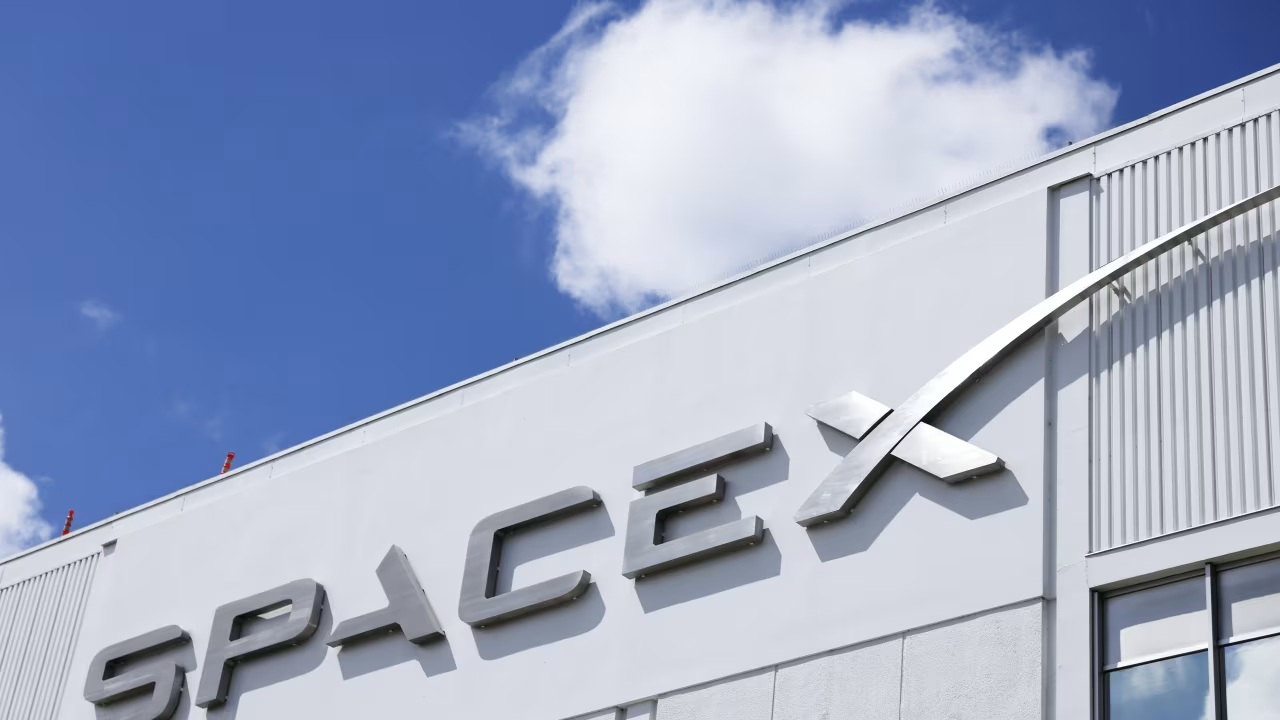
SpaceX’s ambitious Starship program has encountered another obstacle after the company postponed Flight 13 to Thursday following the failure of several Raptor 3 engines to ignite during pre-launch procedures.

The latest setback not only highlights the technical challenges involved in developing the world’s most powerful rocket system but has also triggered renewed concerns among investors, sending SpaceX (SPCX) shares down more than 5% to approximately $124, close to their 52-week low.

Starship is central to SpaceX’s long-term vision.

The fully reusable launch system is designed to dramatically lower the cost of access to space, enable large-scale satellite deployments, support NASA’s Artemis lunar missions, and eventually transport humans to Mars.

Because of its strategic importance, every test flight carries significant implications for both the company and the broader commercial space industry. The delayed launch underscores the enormous complexity of rocket development.

Even for a company with SpaceX’s impressive track record, integrating new engine technologies remains a difficult task. The Raptor 3 engines represent an advanced iteration of SpaceX’s methane-fueled propulsion system, offering improved efficiency, simplified architecture, and potentially lower manufacturing costs.

Introducing upgraded engines into operational testing inevitably introduces risks. Engine ignition failures are particularly concerning because propulsion systems are among the most critical components of any launch vehicle.

Although test delays and scrubs are common in the aerospace sector, repeated issues can raise questions about timelines, reliability, and development costs. Investors often view such incidents as indicators that larger engineering challenges may still need to be addressed before Starship can achieve routine operational status.

The market reaction was swift. SPCX shares fell sharply as investors weighed the possibility of further delays. The decline places the stock near its lowest levels in the past year, reflecting broader concerns about execution risk.

While SpaceX remains one of the most valuable private space companies globally, its valuation increasingly depends on the successful commercialization of Starship and the revenue opportunities that the platform could unlock.

The timing of the delay is also significant. SpaceX is approaching an earnings period during which investors will closely scrutinize updates on launch schedules, Starlink growth, and Starship development progress.

Any indication that technical setbacks are becoming persistent could dampen market sentiment and potentially affect future fundraising efforts or secondary market demand.

Adding to the pressure is the anticipated August share unlock event. Share unlocks typically increase the number of tradable shares in the market, potentially creating additional selling pressure if investor confidence weakens.

Should another launch abort occur, concerns surrounding execution and valuation could intensify, resulting in heightened volatility for SPCX shares. It is important to maintain perspective.

SpaceX has repeatedly demonstrated its ability to overcome technical hurdles that once appeared insurmountable. The Falcon 9 program suffered multiple failures during its early years before evolving into the most reliable and frequently launched rocket system in history.

Similarly, Starship’s development philosophy embraces rapid iteration, where failures and delays are treated as valuable data points rather than definitive setbacks.

For long-term supporters, the current delay may represent another step in the difficult path toward creating a revolutionary transportation system capable of reshaping the economics of space exploration.

For investors focused on near-term performance, the repeated delays introduce uncertainty at a sensitive moment. As Flight 13 approaches, all eyes will remain on SpaceX.

A successful launch could restore confidence and stabilize sentiment, while another abort may deepen concerns about timelines, valuation, and the company’s ability to deliver on one of the most ambitious engineering projects in modern history.

“What’s Next?” – Saylor Teases at Massive BTC Purchase Amid Market Volatility

0

Strategy CEO Michael Saylor has hinted at a possible Bitcoin purchase amid ongoing market volatility, reigniting speculation that the company could soon add to its industry-leading BTC holdings.

Saylor’s cryptic “What’s Next?” post on X, a message that has frequently preceded previous Bitcoin acquisitions, has drawn the attention of investors, who are closely watching for what could be another significant buy despite recent price swings in the crypto market.

The post on X was accompanied by a chart, showcasing the company’s aggressive Bitcoin accumulation strategy, also highlighting its holdings of 843,775 BTC with a total reserve value of $54.28 billion as of that date.

With an average purchase price of around $75,653, the position reflects years of consistent buying through market ups and downs. It illustrates how Strategy began its Bitcoin journey in 2020 and steadily scaled its position, weathering volatility while adding coins during dips and rallies alike.

This approach has turned MicroStrategy into one of the largest corporate Bitcoin holders globally and a proxy for Bitcoin exposure in traditional markets.

Supporters see the chart as evidence of a proven long-term strategy that positions the company to benefit from future Bitcoin appreciation.

Notably, Saylor’s post on X, hinting at Bitcoin’s possible purchase, comes as BTC falls modestly amid rising U.S-Iran tension. The crypto asset saw sell-side pressure soon after the weekly close going into Monday morning, with local lows reaching $63,700.

Critics and skeptics, including familiar voices like Peter Schiff, point to recent price action and question the sustainability amid potential downturns. Others highlight ongoing accumulation and the tightening of credit spreads as signals for a potential resumption of the bull market.

Despite this, traders are becoming increasingly optimistic on shorter time frames as range lows continue to hold.

“Wouldn’t surprise me if we see some further relief this week – towards 65-67k,” trader Jelle predicted in his latest analysis posted on X.

According to Galaxy Digital CEO Mike Novogratz, he says Crypto may not be struggling because the technology has stopped developing, but he notes that the bigger problem right now is that the market has lost the attention of speculative traders.

Novogratz compared the current market to the previous gold and silver bubble, saying crypto has experienced a similar speculative peak.

“That’s what tops look like,” he said, while stressing that a market topping does not mean the asset class disappears. “People just aren’t as excited about it because there’s other things to be excited about,” Novogratz added.

Still, he does not believe Bitcoin’s long-term story has been broken. He said Bitcoin price could hold around $60,000. However, reaching $80,000 and eventually $100,000 would require three major catalysts. These are the CLARITY Act passing, Federal Reserve rate cuts, and a renewed base of buyers.

Strategy’s Bitcoin-first treasury policy, pioneered by Saylor, has redefined corporate finance. By treating Bitcoin as a primary reserve asset, the company has delivered significant returns for shareholders despite periods of drawdown.

As of mid-2026, with Bitcoin trading in a consolidation phase after earlier highs, Saylor’s post serves as both a status update and a prompt for the community to consider the next chapter in the cryptocurrency’s adoption cycle.

Whether this leads to new all-time highs or further tests of support remains to be seen. For now, the chart stands as a visual testament to conviction and capital allocation on a massive scale.

Outlook

Market participants will be closely watching whether Strategy follows Saylor’s latest teaser with another Bitcoin purchase.

Historically, the company’s acquisitions have reinforced bullish sentiment, particularly when they occur during periods of market weakness, as investors interpret them as a vote of confidence in Bitcoin’s long-term value.

In the near term, Bitcoin’s price direction is likely to remain influenced by macroeconomic developments, including geopolitical tensions, expectations surrounding U.S. Federal Reserve interest rate decisions, and progress on crypto regulation such as the CLARITY Act.

Any improvement in these areas, coupled with renewed institutional demand, could provide fresh momentum for the world’s largest cryptocurrency.