DD
MM
YYYY

PAGES

DD
MM
YYYY

spot_img

PAGES

Home Blog

Why Tokenized Equities Are Fueling Solana’s Explosive Growth in 2026

0

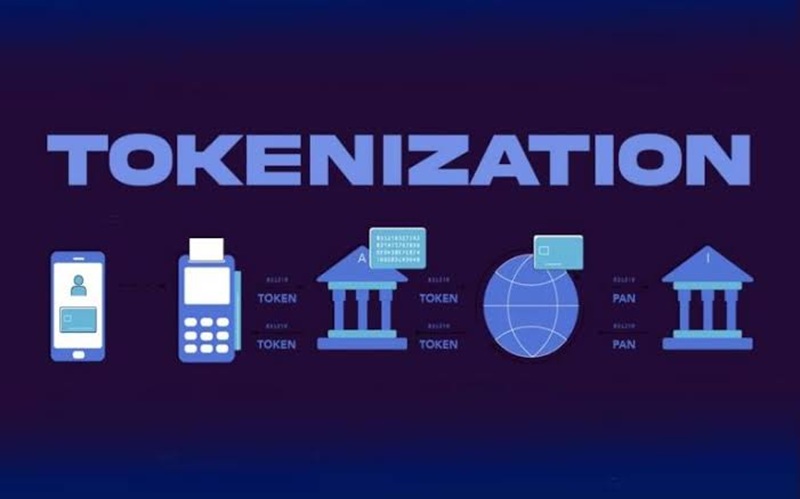
Tokenized equities are rapidly becoming one of the fastest-growing segments of the digital asset industry, and Solana has emerged as the dominant blockchain powering this transformation.

New market data shows that tokenized equity trading volume on Solana has surged from just $1.34 million to an astonishing $3.32 billion over the past year, highlighting the accelerating migration of traditional capital markets onto blockchain infrastructure.

The dramatic growth has drawn attention from investors, institutions, and industry leaders alike, with Bitwise co-founder Hunter Horsley describing the trend as compelling evidence that the future of financial markets is increasingly onchain.

The latest figures illustrate how quickly momentum has built throughout 2026. In April, tokenized equities on Solana represented approximately $670 million in value. Within only two months, that figure expanded to a record-breaking $3.3 billion, marking an all-time high for the ecosystem.

Such rapid growth reflects increasing confidence in blockchain-based financial products as investors seek faster settlement, greater transparency, and broader accessibility than conventional stock markets can provide.

Perhaps even more significant is Solana’s growing dominance in cross-chain activity. Reports indicate that the network now processes more than 95% of all cross-chain tokenized stock volume, placing it well ahead of competing blockchain ecosystems.

This leadership position underscores Solana’s reputation for high throughput, low transaction costs, and the ability to handle large volumes of financial activity without compromising efficiency. These characteristics have made it an attractive destination for platforms issuing and trading tokenized versions of publicly listed equities.

The broader tokenized stock market is experiencing extraordinary expansion as well.

During the first half of 2026, tokenized equities across all blockchain networks reached approximately $4.9 billion, representing a sixfold increase from the $775 million recorded during the second half of 2025. This remarkable growth suggests that tokenization is moving beyond experimentation and becoming an increasingly important component of modern financial infrastructure.

Tokenized equities offer investors several advantages over traditional securities markets. By representing shares as blockchain-based digital tokens, these assets can potentially trade around the clock instead of being limited to standard exchange hours.

Settlement can occur within minutes rather than days, reducing counterparty risk while improving liquidity. Investors also gain access through digital wallets and decentralized financial applications, lowering barriers that have traditionally restricted participation in global equity markets.

For financial institutions, tokenization represents an opportunity to modernize outdated market infrastructure. Legacy settlement systems often involve multiple intermediaries, lengthy processing times, and significant operational costs.

Blockchain technology simplifies many of these processes through programmable smart contracts that automate settlement, compliance, and recordkeeping. As more institutions recognize these efficiencies, demand for tokenized financial products is expected to continue rising.

Hunter Horsley’s observation that capital markets are moving onchain reflects a broader shift taking place across global finance. While cryptocurrencies initially demonstrated the potential of decentralized networks, tokenized real-world assets are now showing how blockchain technology can reshape traditional investment markets.

Stocks, bonds, commodities, and other financial instruments are increasingly being represented digitally, creating a more interconnected and efficient financial ecosystem.

Although regulatory frameworks continue to evolve, the rapid expansion of tokenized equities demonstrates growing confidence in blockchain-based capital markets.

Solana’s leadership in transaction volume and infrastructure positions it at the center of this transformation. If current growth trends continue, tokenized equities could become a mainstream investment vehicle, reshaping how investors access, trade, and own financial assets while accelerating the integration of traditional finance with decentralized technology.

Volkswagen Earnings Miss Highlights Challenges for European Automakers, as Germany Accelerates Digital Railway Revolution

0

Volkswagen reported a sharp decline in second-quarter earnings, underscoring the growing challenges facing one of the world’s largest automakers.

The German automotive giant announced that its net profit fell 32.9% year-over-year to €1.54 billion ($1.8 billion), reflecting mounting pressure from weakening demand in China, rising competitive intensity, and the broader transformation of the global automotive industry.

The results highlight the difficult environment European car manufacturers face as they navigate slowing economic growth, shifting consumer preferences, and the accelerating transition toward electric vehicles.

China has long been Volkswagen’s most important market, accounting for a substantial share of its global vehicle sales and profitability. For decades, the company enjoyed a dominant position in the country through successful joint ventures and a reputation for quality engineering.

That advantage has gradually eroded as domestic Chinese automakers have rapidly expanded their market presence. Companies such as BYD, Geely, and several emerging electric vehicle manufacturers have captured growing market share by offering technologically advanced vehicles at competitive prices.

The slowdown in China’s economy has also contributed to weaker consumer spending on big-ticket purchases such as automobiles. Buyers have become more cautious amid concerns about economic uncertainty, property market weakness, and slowing income growth.

Aggressive price competition among automakers has squeezed profit margins across the industry. To remain competitive, Volkswagen has been forced to introduce discounts and promotional campaigns, reducing profitability even as it seeks to maintain sales volumes.

The company’s financial results illustrate the scale of these challenges. A decline of nearly one-third in quarterly net profit signals that Volkswagen is facing pressure not only from lower sales but also from increasing operational costs and significant investments in future technologies.

Automakers worldwide are spending billions of euros on electric vehicle development, battery technology, software platforms, and digital services to remain competitive in an industry undergoing its most profound transformation in decades.

Volkswagen continues to push forward with its electrification strategy despite the earnings setback. The company has committed substantial resources to expanding its electric vehicle lineup across multiple brands, including Volkswagen, Audi, Porsche, and Škoda.

It is also investing in battery production facilities, charging infrastructure partnerships, and next-generation software systems designed to enhance vehicle connectivity and autonomous driving capabilities.

These investments come during a period of slowing global electric vehicle demand in several regions. While EV adoption continues to grow, consumer enthusiasm has moderated due to higher financing costs, concerns about charging infrastructure, and reduced government incentives in some markets.

This has complicated manufacturers’ efforts to balance current profitability with long-term strategic investments. Europe presents its own set of challenges for Volkswagen. Inflation, elevated interest rates, and persistent supply chain pressures have affected vehicle demand across the region.

Meanwhile, stricter emissions regulations require continued investment in cleaner technologies while maintaining production efficiency. Balancing regulatory compliance with shareholder expectations has become increasingly difficult as operating conditions remain uncertain.

Despite the disappointing quarterly performance, Volkswagen retains significant competitive advantages. The company possesses a globally recognized portfolio of brands, an extensive manufacturing network, and decades of engineering expertise.

Management continues to emphasize cost discipline, operational efficiency, and strategic investments aimed at strengthening long-term competitiveness. Success in these areas will be critical as the company seeks to regain momentum in China while expanding its presence in other growth markets.

Volkswagen’s recovery will largely depend on its ability to adapt to rapidly changing market conditions. Revitalizing sales in China, improving profitability in its electric vehicle business, and successfully managing costs will be central to its strategy.

Although the second-quarter earnings decline represents a significant setback, Volkswagen’s continued commitment to innovation and global expansion suggests that the automaker remains focused on positioning itself for long-term success in an increasingly competitive automotive landscape.

Germany Accelerates Digital Railway Revolution with €1.7 Billion ETCS Funding

Germany is making one of its largest long-term investments in railway modernization, committing around €1.7 billion ($1.93 billion) through the end of 2030 to accelerate the rollout of the European Train Control System across its rail network.

The funding reflects the country’s determination to modernize rail infrastructure, improve safety, increase network capacity, and strengthen cross-border rail transport throughout Europe.

As railways become increasingly central to Europe’s climate and mobility goals, Germany’s commitment underscores the importance of digital technology in shaping the future of transportation.

The European Train Control System is a standardized digital signaling and train protection system developed under the European Rail Traffic Management System. Unlike traditional signaling methods.

ETCS enables continuous communication between trains and trackside equipment, allowing trains to operate more efficiently while maintaining high safety standards. The technology reduces reliance on physical signals by transmitting movement authorities directly to train drivers through onboard digital displays.

This results in more accurate train operations, lower risks of human error, and better management of railway traffic. Germany’s investment comes at a critical time. The country’s rail infrastructure has faced increasing pressure due to aging equipment, growing passenger demand, and expanding freight transport.

Delays, congestion, and maintenance challenges have highlighted the need for a comprehensive digital transformation. By allocating €1.7 billion over the next several years, the Federal Transport Ministry aims to equip trains with ETCS technology while supporting the broader modernization of the national rail network.

One of the biggest advantages of ETCS is its ability to increase railway capacity without requiring entirely new tracks.

Because trains equipped with digital signaling can safely operate with shorter distances between them, rail operators can run more services on existing infrastructure. This is particularly valuable in densely populated regions where constructing new rail lines is expensive, time-consuming, and often constrained by environmental or urban planning concerns.

Safety remains another major benefit. ETCS continuously monitors train speed and position, automatically intervening if a train exceeds speed limits or approaches danger zones. By reducing dependence on manual operations and conventional trackside signals, the technology significantly lowers the risk of accidents caused by human error.

This makes rail travel safer for passengers while also improving operational reliability for freight services. The investment also supports Germany’s broader environmental objectives. Rail transport produces significantly fewer greenhouse gas emissions than road or air travel.

Making it a cornerstone of Europe’s climate strategy. Improving railway efficiency and reliability encourages more passengers and businesses to choose trains over less sustainable transportation options. As governments across Europe work toward ambitious carbon reduction targets, digital rail infrastructure is increasingly viewed as an essential component of sustainable mobility.

Beyond Germany’s borders, ETCS promotes seamless international rail travel. Europe has historically operated multiple national signaling systems, creating technical barriers for trains crossing borders.

Standardizing digital train control through ETCS enables locomotives to move more easily between countries without requiring expensive modifications or multiple onboard systems. This improves freight logistics, strengthens supply chains, and makes international passenger rail services more efficient and competitive.

The funding is also expected to stimulate innovation within Germany’s railway and technology sectors. Equipment manufacturers, engineering firms, software developers, and infrastructure companies will all play key roles in deploying ETCS across the country’s rail network.

The modernization effort is likely to create skilled jobs while reinforcing Germany’s leadership in advanced transportation technologies. Challenges remain, including coordinating upgrades across thousands of kilometers of railway infrastructure, managing installation schedules without disrupting existing services, and ensuring interoperability between legacy systems.

The long-term benefits are expected to outweigh these complexities as Germany gradually builds a smarter, more resilient railway system. Germany’s €1.7 billion commitment represents more than an infrastructure upgrade.

It is a strategic investment in safer transportation, greater economic competitiveness, environmental sustainability, and deeper European integration.

As ETCS deployment expands over the coming years, Germany is positioning its rail network to meet the demands of a digital, connected, and climate-conscious future while setting an example for railway modernization across Europe.

Ethereum Sees Major Whale Activity as Arthur Hayes Adds Another $1.25 Million in ETH

0

Arthur Hayes, the co-founder of BitMEX and one of the cryptocurrency industry’s most closely watched investors, has once again signaled confidence in Ethereum through another significant purchase.

According to blockchain analytics platform Lookonchain, Hayes acquired an additional 644.34 ETH valued at approximately $1.25 million. The latest transaction brings his total Ethereum accumulation over the past eight days to 3,270 ETH, worth around $6.27 million at an average purchase price of roughly $1,917 per coin.

The continued buying activity has drawn attention across the crypto market, with many investors interpreting it as another bullish signal for Ethereum’s long-term outlook.

Hayes has built a reputation for making bold macroeconomic calls and positioning his portfolio accordingly.

His investment decisions are closely monitored because they often reflect broader views on liquidity, monetary policy, and digital asset adoption.

While no investor is infallible, sustained accumulation by a prominent market participant frequently influences market sentiment. Rather than making a single large purchase.

Hayes has steadily increased his Ethereum holdings through multiple transactions, suggesting a deliberate accumulation strategy instead of a short-term speculative trade.

Hayes is far from the only major investor increasing exposure to Ethereum. Lookonchain also identified a previously dormant wallet that sprang back to life after three months of inactivity.

Shortly after becoming active, the wallet acquired 27,000 ETH worth approximately $52.03 million through Galaxy Digital’s over-the-counter trading desk. Large OTC transactions are commonly used by institutional investors and high-net-worth individuals because they allow substantial purchases without creating significant price volatility on public exchanges.

The size of the dormant wallet’s purchase has fueled speculation that institutional demand for Ethereum may be strengthening. Although the identity of the buyer remains unknown, the use of Galaxy Digital’s OTC services suggests the transaction was carefully structured to minimize market disruption.

Such large-scale acquisitions often indicate long-term investment intentions rather than short-term trading activity. These developments come at a time when Ethereum continues to expand its role within the broader digital asset ecosystem.

The network remains the dominant platform for decentralized finance, tokenized real-world assets, stablecoins, and non-fungible tokens. Growing institutional interest in tokenization, alongside increasing experimentation with blockchain-based financial infrastructure.

Institutional accumulation can have broader implications beyond immediate price movements. When influential investors steadily build positions while reducing the available supply on exchanges.

It may strengthen market confidence and support longer-term price appreciation if demand continues to rise. Investors should recognize that whale purchases alone do not guarantee sustained market gains, as cryptocurrency prices remain highly sensitive to macroeconomic conditions, regulatory developments, and shifts in investor sentiment.

The recent wave of Ethereum buying by Arthur Hayes and the anonymous whale highlights a growing narrative that sophisticated investors continue to view ETH as a strategic long-term asset.

Whether driven by expectations of expanding blockchain adoption, increasing institutional participation, or confidence in Ethereum’s evolving ecosystem, these purchases demonstrate that large capital continues flowing into the network.

As market participants monitor future on-chain activity, the actions of high-profile investors and institutional wallets are likely to remain an important indicator of confidence in Ethereum’s and broader crypto future trajectory.

SpaceX Hits New Post-IPO Low as Investors Weigh Growth and Profitability

0

SpaceX has fallen to a new post-IPO low, underscoring the volatility that often follows one of the most anticipated public listings in modern financial history.

After debuting with enormous investor enthusiasm and a valuation that reflected expectations of long-term dominance in the commercial space industry, the company’s shares have come under sustained selling pressure.

The latest decline highlights growing concerns over whether SpaceX can justify its lofty valuation while continuing to invest aggressively in ambitious projects that may take years to generate meaningful returns.

The stock’s decline comes despite the company’s impressive technological achievements. SpaceX remains the global leader in reusable rocket technology, operates the world’s largest satellite internet constellation through Starlink, and continues to secure government and commercial launch contracts at an unmatched pace.

Public markets often judge companies not only by their technological leadership but also by their ability to deliver consistent financial performance.

Investors have become increasingly cautious as rising development costs, macroeconomic uncertainty, and higher interest rates place greater emphasis on profitability rather than long-term growth narratives.

One of the biggest factors weighing on investor sentiment is the enormous capital required for SpaceX’s next phase of expansion. The company continues to invest billions of dollars into Starship, its fully reusable heavy-lift rocket designed to support lunar missions.

Mars exploration, and large-scale satellite deployment. While the project has demonstrated remarkable engineering progress, repeated testing, regulatory reviews, and development expenses have raised concerns about when these investments will begin producing sustainable revenue.

Starlink, remains one of SpaceX’s strongest commercial assets. The satellite broadband network has expanded rapidly across global markets, connecting millions of users in regions where traditional internet infrastructure remains limited.

Enterprise services, aviation connectivity, maritime communications, and government contracts continue to strengthen the business.

Analysts note that maintaining and expanding the satellite constellation requires constant capital expenditure as aging satellites are replaced and new generations are launched.

Competition has also intensified across both the aerospace and satellite communications sectors. Traditional aerospace firms are modernizing their launch capabilities, while emerging private companies continue to attract investment with innovative technologies.

At the same time, governments worldwide are increasing support for domestic space programs, creating a more competitive environment for future launch contracts and satellite services. Broader market conditions have further amplified the stock’s weakness.

Investors have rotated away from high-growth companies toward businesses with stronger near-term earnings visibility. Technology and innovation-focused firms with substantial research and development spending have experienced heightened volatility, and SpaceX has not been immune to this trend.

Concerns surrounding inflation, borrowing costs, and global economic uncertainty have encouraged investors to reassess risk across speculative growth sectors.

Despite the recent decline, many long-term investors remain optimistic about SpaceX’s strategic position.

The company possesses significant competitive advantages, including vertically integrated manufacturing, reusable launch systems, an expanding satellite network, and deep relationships with both commercial customers and government agencies.

These strengths continue to support the view that SpaceX could play a defining role in the future of global communications, national security, and human space exploration.

The new post-IPO low reflects the tension between extraordinary long-term potential and the short-term realities of public market expectations. While the current downturn may test investor confidence.

SpaceX’s ability to execute its ambitious roadmap, expand Starlink’s profitability, successfully commercialize Starship, and maintain leadership in the rapidly evolving space economy will determine whether today’s weakness proves to be a temporary setback or a more lasting reassessment of its valuation.

Why Kazakhstan’s Strategic Digital Mining Rules Matter for Bitcoin and Crypto Markets

0

Kazakhstan has taken another significant step toward strengthening its position in the global digital asset economy by approving new Strategic Digital Mining rules aimed at expanding the country’s state crypto reserve.

The move reflects the government’s growing confidence in cryptocurrencies as a strategic financial asset and highlights its ambition to become a leading hub for digital mining and blockchain innovation.

The new framework introduces a structured approach to managing cryptocurrency generated through state-supported mining activities.

Kazakhstan intends to accumulate a national reserve of cryptocurrencies, creating a long-term strategic asset similar to foreign exchange or gold reserves. This policy signals a shift in how governments view digital assets—not merely as speculative investments but as instruments that can contribute to national economic resilience.

Kazakhstan has long been an important player in the cryptocurrency mining industry. Following regulatory crackdowns in several major mining regions over recent years, many mining companies relocated their operations to Kazakhstan because of its abundant energy resources, favorable geographic location, and relatively competitive electricity prices.

The country quickly emerged as one of the world’s largest Bitcoin mining destinations, attracting billions of dollars in investment and expanding its digital infrastructure. The Strategic Digital Mining rules are expected to improve oversight of the mining sector while encouraging sustainable growth.

Mining operators will likely be required to comply with stricter licensing, reporting, and operational standards, ensuring that mining activities contribute directly to the country’s economic objectives. At the same time, the framework provides greater regulatory clarity, giving institutional investors and mining firms increased confidence to expand operations within Kazakhstan.

One of the most notable aspects of the policy is its focus on building a state crypto reserve.

Governments around the world continue to debate whether digital assets should play a role in sovereign financial strategies. Kazakhstan’s decision suggests that cryptocurrencies, particularly Bitcoin, may increasingly be viewed as strategic reserve assets capable of diversifying national holdings and providing exposure to the rapidly evolving digital economy.

The initiative could also generate broader economic benefits. Increased mining activity creates demand for data centers, energy infrastructure, hardware maintenance, cybersecurity services, and blockchain development.

These industries support job creation, attract foreign direct investment, and encourage technological innovation. As blockchain adoption continues to expand globally, Kazakhstan hopes to position itself as a regional leader in digital finance while strengthening its broader technology sector.

Cryptocurrency mining is energy-intensive, and balancing industrial growth with environmental sustainability will be essential. Kazakhstan has previously experienced pressure on its electricity grid due to increased mining demand.

Policymakers will therefore need to ensure that mining expansion is supported by reliable power generation, renewable energy investments, and efficient energy management to maintain long-term sustainability.

International market volatility also presents risks. The value of a state crypto reserve can fluctuate significantly with changing cryptocurrency prices. Effective reserve management, risk controls, and transparent governance will be necessary to protect public assets while maximizing long-term benefits.

Kazakhstan’s Strategic Digital Mining rules represent more than a regulatory update—they signal a broader national strategy to integrate digital assets into economic planning. As more governments explore cryptocurrency reserves, tokenized finance, and blockchain infrastructure.

Kazakhstan is positioning itself at the forefront of this transformation. If successfully implemented, the initiative could strengthen the country’s financial resilience, attract additional investment, and reinforce its reputation as one of the world’s leading cryptocurrency mining jurisdictions.