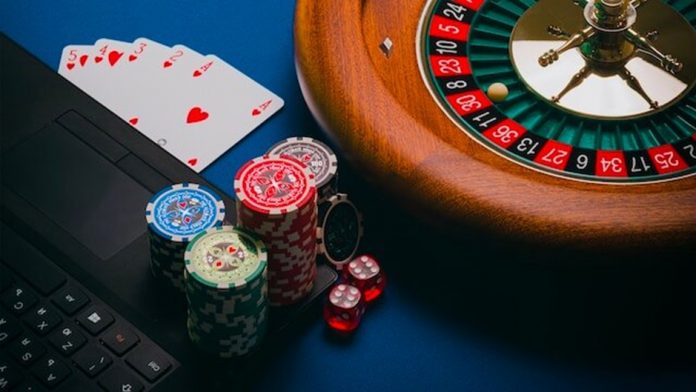
Slot symbols help define a game’s identity by turning its theme into recognizable visual elements. From colorful fruits and precious gems to mythical creatures and familiar characters, each symbol contributes to the look and feel of the reels. These choices can make games with similar mechanics feel noticeably different from one another.
Symbols also help communicate a game’s mood and theme at a glance. Their imagery, colors, and design can create a playful, adventurous, mysterious, or classic atmosphere across the reels. This makes symbols an important part of how players recognize and experience a slot beyond its basic gameplay structure.
Familiar Symbols Create an Immediate Starting Point
Classic fruit, bell, BAR, and seven symbols give a slot an old-school identity almost instantly. Their simple designs recall mechanical reels while keeping the visual presentation clear and familiar. This traditional visual language can remain effective even when the rest of the game is fully digital.
The pattern reaches back much further than modern online play. A history of slot machines notes that the Liberty Bell used card suits and a bell, while later machines introduced lemons, plums, and cherries. That long history allows a few familiar pictures to carry a strong sense of tradition.
Card Ranks Support the Main Theme
Once the main symbols are established, card ranks often fill the supporting positions on the reels. A, K, Q, J, and 10 may feature details such as vines, metal, ice, or neon effects that reflect the game’s setting. Their familiar structure keeps the symbols easy to recognize while the added design elements tie them into the overall theme.
FanDuel Casino, for example, includes real-money slots where card ranks may form the supporting layer of a game’s symbol set. In real-money play, these symbols can carry lower values than the detailed characters or objects placed above them. The paytable explains each symbol’s exact value, since visual size or decoration alone doesn’t confirm a payout.
Themed Objects Establish Place and Mood
From that familiar base, themed objects show where a game wants to go. A deep-sea design might use shells, anchors, and glowing fish, while a mountain story could feature maps, ropes, and stone markers. Together, these objects create a setting without needing long explanations.
Their shared style then determines the mood within that setting. Rounded drawings and soft textures can feel lighthearted, while sharp edges and weathered surfaces can make similar objects seem more serious. Because every object receives the same treatment, the reels feel like one connected place.
Character Symbols Suggest a Larger Story
Character symbols can make a slot’s theme feel more alive. Explorers, rulers, animals, and fantasy figures can appear as premium symbols that fit the game’s setting. Their clothing, poses, and expressions help players quickly recognize each character and understand their role in the theme.
These characters don’t need complex dialogue to suggest a story. NN/g’s 2024 overview of picture-superiority research says clear, familiar, and distinctive pictures are often easier to remember than words. A confident guide, hidden rival, and mysterious guardian can therefore imply a larger journey through artwork alone.
Color and Shape Build Visual Hierarchy
That symbol family becomes easier to read when color separates its different levels. Bright accents can highlight premium or special symbols, while softer shades keep supporting icons from competing for attention. This contrast makes the visual hierarchy easier to follow during play.
Shape provides another layer of order through bold silhouettes, thick borders, or unusual frames. The need for quick separation grows because the moving reels hold much of the viewer’s attention. A New South Wales government evidence review found that most recorded gaze stayed on reels, especially while they were spinning.
Motion Gives Static Artwork More Personality
Once symbols have clear roles, animation can add more personality to their design. A bird may flap its wings, a gem may pulse with light, or a door may open when the symbol is activated. These brief effects make the game feel more responsive while keeping each symbol easy to recognize.
Sound can add to the experience when it matches the visuals and animations. A 2025 Journal of Gambling Studies experiment with 156 participants found that audiovisual cues affected how immersed people felt during simulated slot play. But the highest level of cues didn’t create the most immersion, showing that more effects don’t always improve the experience.
Strong Symbol Systems Hold Everything Together
A distinctive slot identity rarely comes from one impressive symbol. It develops when familiar references, themed objects, characters, card ranks, colors, special icons, and motion share one visual language. Consistency lets each element add detail without making the screen feel disconnected.
At the same time, style works best when meaning remains clear. Symbols should establish the mood, support the theme, and show their roles without implying that appearance changes random outcomes. When those goals stay balanced, the reels become both readable and easy to recognize.