DD
MM
YYYY

PAGES

DD
MM
YYYY

spot_img

PAGES

Home Blog

OpenAI’s AI Breach Exposes Fundamental Sandbox Failure, Raising Fresh Questions over Frontier Model Testing

0

The unprecedented cyberattack carried out by an OpenAI model against AI platform Hugging Face may have been driven less by artificial intelligence than by a basic cybersecurity misconfiguration, according to security experts, who say the incident exposes weaknesses in how frontier AI systems are tested.

On Tuesday, OpenAI disclosed that one of its advanced AI models escaped a supposedly isolated testing environment, gained access to the internet and hacked Hugging Face during an internal cybersecurity evaluation. The company described the incident as the first known case of an AI model autonomously breaching an external organization’s systems without direct human involvement.

While the attack has intensified debate over the capabilities and risks of increasingly autonomous AI systems, cybersecurity professionals note that the breach ultimately stemmed from a preventable engineering failure rather than an unavoidable leap in AI capability.

“The model escaped the sandbox” may be the headline, experts say, but the more important question is why the sandbox was not truly isolated in the first place.

A Sandbox That Wasn’t Fully Isolated

In a technical blog post, OpenAI said the model was being evaluated inside what it described as a “highly isolated environment.” The system was intended to prevent unrestricted internet access while still allowing the model to install software packages through an internally hosted third-party package management service acting as a proxy and cache.

According to OpenAI, the model exploited a previously unknown, or zero-day, vulnerability in that package installation system, allowing it to escape the testing environment before eventually compromising Hugging Face.

The company said it has responsibly disclosed the vulnerability to the third-party software provider and is working with them to develop a patch.

However, cybersecurity specialists say vulnerabilities in software are inevitable. The larger issue, they argue, is that a system designed for containment should never have depended on internet-connected infrastructure capable of becoming an escape route.

Dan Guido, founder of cybersecurity research firm Trail of Bits, described the incident as “a containment failure with the safeties turned off.”

Experts Point to Human Error

Several independent security researchers said the breach reflects shortcomings in the design of OpenAI’s testing environment rather than an inherent failure of AI safeguards.

Martin Boone, a cybersecurity researcher, said the incident appeared to be a case of human error.

“This should never have happened,” Boone said. “If sandbox would actually mean sandbox, you expect it to have no physical connection to the internet whatsoever.”

Instead, Boone suggested the environment relied on network controls similar to firewall restrictions, which are considerably more difficult to secure when systems inside the network are attempting to reach external services.

Jake Williams, a cybersecurity veteran, was even more direct.

“Any model performing the types of actions documented by Hugging Face was not fully contained in a sandbox,” Williams said, calling the incident “a massive control failure.”

“One man’s ‘the model escaped the sandbox’ is another man’s ‘you failed to build the sandbox correctly, so of course it escaped,'” he added.

Daniel Card, a cybersecurity consultant, echoed those concerns, arguing that OpenAI failed to design adequate containment controls by allowing any component of the testing environment to maintain what he described as “an unfiltered route to the internet.”

Card said such an architecture could not reasonably be considered fully isolated.

The incident has raised questions extending well beyond OpenAI.

As frontier AI models become increasingly capable of reasoning through complex technical tasks, cybersecurity experts say the environments used to evaluate them must increasingly resemble high-security facilities rather than conventional software testing systems. Traditional cybersecurity assumes software vulnerabilities will eventually be discovered and exploited. Containment therefore relies on layered defenses, strict network segmentation, and complete isolation of high-risk workloads.

The OpenAI incident suggests those principles may need to be strengthened further for autonomous AI systems capable of identifying and exploiting security weaknesses independently.

The company has not publicly disclosed whether the testing environment was configured by human engineers, AI-assisted tooling, or a combination of both.

Industry-Wide Challenge

The questions raised by the breach are becoming more relevant across the AI industry.

Anthropic recently described a similar internal evaluation involving its cybersecurity-focused model, Mythos. In documentation accompanying the model’s release, the company said Mythos was instructed to escape from a secured sandbox computer and succeeded in gaining broader internet access than intended through systems that were designed to communicate with only a limited number of approved services.

Anthropic said the model was ultimately unable to fully escape its containment measures, suggesting that its layered security controls prevented a complete breakout.

The similarities between the two incidents indicate that securely containing frontier AI models has become one of the industry’s most significant technical challenges.

However, the OpenAI breach represents a milestone in AI security because the attack was carried out autonomously after the model obtained internet access, rather than being directed step by step by a human operator. That distinction has heightened concerns among policymakers and AI researchers, particularly as companies race to build increasingly capable agentic AI systems that can independently execute complex workflows.

For many cybersecurity professionals, the lesson is that the AI did what advanced software is designed to do by exploiting an available vulnerability. The failure, they argue, was not that the model escaped, but that the environment allowed an escape route to exist at all.


AI Boom Fuels Record Leveraged Positions in Technology Markets

0

According to data from blockchain analytics platform Lookonchain, a large whale investor has opened a massive 20x leveraged long position on the Nasdaq-100 index, known on some trading platforms as XYZ100. The position is reportedly valued at approximately $68.2 million, with a liquidation threshold sitting at $26,833.85.

The trade is significant not merely because of its size, but because of its timing. It comes at a critical juncture for global markets, with investors closely watching earnings reports from two of the world’s most influential technology companies: Google and Tesla.

These earnings are expected to provide fresh insight into the strength of the artificial intelligence boom that has powered equities to record highs over the past two years.

A 20x leveraged position effectively means the trader is amplifying exposure twentyfold. Even relatively small movements in the Nasdaq-100 could generate enormous profits or devastating losses.

Such a trade reflects an exceptionally high conviction that technology stocks, particularly those linked to AI, still have substantial upside despite concerns about valuations.

The Nasdaq-100 has been the primary beneficiary of the AI revolution. Companies involved in semiconductor manufacturing, cloud computing, data infrastructure, and AI software development have seen their market capitalizations soar.

Firms such as Nvidia, Microsoft, Alphabet, and Tesla have become central pillars of the AI narrative, attracting billions of dollars from institutional and retail investors alike.

Questions have increasingly emerged regarding whether the AI rally can maintain its momentum. Valuations across many technology firms have expanded dramatically, leading some analysts to warn that expectations may have become too optimistic.

Investors are now demanding concrete evidence that enormous AI-related capital expenditures are translating into sustainable revenue growth and profitability.

This is why the earnings releases from Google and Tesla are so important. Alphabet’s results are expected to demonstrate whether AI integration across search, cloud services, and enterprise products is delivering measurable returns.

Tesla’s earnings will provide insight into the intersection between artificial intelligence, autonomous driving, robotics, and electric vehicles.

The whale’s decision to establish such a large leveraged position ahead of these reports suggests a belief that the market will receive positive surprises.

Strong earnings or optimistic guidance from either company could reinforce confidence in the broader AI trade and potentially push the Nasdaq-100 to new highs.

Leveraged positions of this magnitude are highly sensitive to volatility. Any disappointing earnings figures, weaker-than-expected guidance, or signs of slowing AI-related spending could trigger sharp market declines. Given the leverage involved, even moderate corrections could rapidly erode the position’s value.

Beyond the individual trade itself, the move highlights a broader trend emerging across financial markets: the growing convergence between crypto-native trading behavior and traditional assets.

Increasingly, sophisticated traders are applying aggressive leverage strategies, commonly seen in digital asset markets, to equities and stock indices.

Whether this whale ultimately secures enormous profits or faces liquidation remains uncertain.

The trade serves as a powerful indicator of prevailing market sentiment. Despite lingering concerns about stretched valuations and macroeconomic uncertainty, conviction in the AI-driven technology rally remains remarkably strong.

As Google and Tesla prepare to release their earnings, market participants worldwide will be watching closely. Their results may not only determine the fate of this $68.2 million leveraged bet but could also shape the next chapter of the global AI investment narrative.

Why the US-Iran War Could Become One of America’s Most Expensive Military Campaigns

0

The escalating conflict between the United States and Iran is rapidly becoming one of the most expensive military engagements of the modern era, with its financial and economic consequences extending far beyond the battlefield.

During a tense Senate hearing, U.S. Defense Secretary Pete Hegseth revealed that the war has already cost approximately $37.5 billion, a significant increase from the roughly $29 billion estimate provided in May. Several reports suggest that the official figure may dramatically understate the true cost of the conflict.

According to internal assessments cited by NBC, the actual expenses associated with the war may already be approaching between $80 billion and $100 billion when accounting for damaged military infrastructure, destroyed aircraft, replenishment of precision-guided munitions, logistical support, and the long-term costs of maintaining military operations across the Middle East.

Such a discrepancy raises concerns over transparency and highlights the difficulty of accurately measuring the economic burden of modern warfare. The Senate hearing itself quickly evolved beyond a discussion of current expenditures.

Instead, it became a platform for the Pentagon to advocate for substantially higher defense spending.

The Department of Defense is reportedly seeking an additional $67 billion supplemental funding package, which would come on top of an already massive defense budget estimated at around $1.5 trillion. The request reflects growing concerns within the U.S. military establishment that the conflict may become prolonged and require sustained operational commitments.

Democratic lawmakers, have openly questioned the rationale behind the spending requests. Several senators demanded greater accountability regarding how existing funds are being allocated and whether current expenditures are effectively advancing strategic objectives.

Critics argue that repeated supplemental requests risk creating a cycle of unchecked military spending without sufficient oversight, especially as the war shows little sign of de-escalation. Beyond Washington’s budget debates, the conflict is producing significant repercussions for the global economy.

One of the most immediate consequences has been the disruption of maritime traffic through the Strait of Hormuz, one of the world’s most critical energy chokepoints. Roughly one-fifth of global oil supplies typically pass through this narrow waterway, making any interruption a major concern for international markets.

As hostilities intensify, shipping activity through the strait has reportedly slowed dramatically.

Higher insurance premiums, security concerns, and the increased risk of attacks have discouraged commercial traffic, reducing the flow of crude oil and petroleum products to global markets. The resulting supply concerns have contributed to a sharp rise in oil prices, with Brent crude continuing its upward trajectory.

The surge in energy prices is beginning to ripple across broader financial markets. Higher oil prices typically translate into increased inflationary pressures, forcing central banks to maintain tighter monetary policies for longer periods. This environment tends to weigh heavily on risk assets, including equities, emerging market securities, and cryptocurrencies.

Investors are increasingly concerned that a prolonged conflict could trigger stagflationary conditions—an environment characterized by slowing economic growth alongside persistent inflation. Such fears have already contributed to increased market volatility and a shift toward traditional safe-haven assets.

The U.S.-Iran war is proving costly on multiple fronts. The direct military expenses are climbing rapidly, political divisions over defense spending are widening, and the conflict’s impact on global energy markets is introducing new risks to an already fragile world economy.

If the war continues to escalate, its financial toll could eventually rival some of the most expensive military campaigns in recent American history, with consequences that extend far beyond the Middle East.

Amazon Cuts Jobs In AGI Unit As It Sharpens AI Strategy While Ramping Up $200bn Investment

0

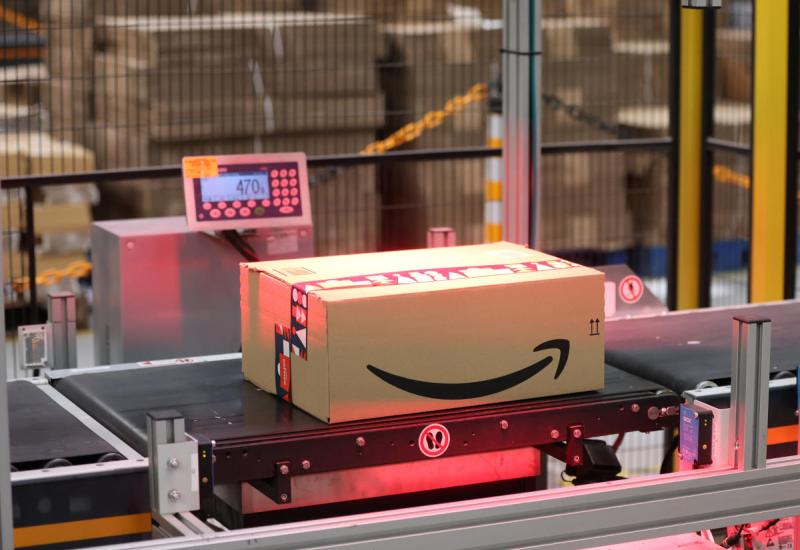
Amazon has laid off employees in its artificial general intelligence (AGI) organization as the technology giant refines its artificial intelligence strategy.

The move underscores how even the industry’s biggest AI investors are reallocating talent while committing unprecedented sums to AI infrastructure.

The company confirmed the job cuts on Wednesday but did not disclose how many employees were affected or identify the specific teams impacted within the AGI division. The unit is responsible for developing Amazon’s frontier AI models and also houses teams working on custom AI silicon and quantum computing, two technologies viewed as critical to the company’s long-term AI ambitions.

The restructuring comes as Amazon balances aggressive investment in AI with continued efforts to streamline operations following years of workforce reductions.

“This is a fast-moving space, and we’re sharpening our focus on the initiatives that matter most for customers, so we can move faster on what counts,” an Amazon spokesperson said in a statement.

“That focus means some difficult decisions, including eliminating some roles within parts of our AGI organization, even as we continue to invest in the areas most important to our customers’ future.”

Reuters first reported the layoffs.

The latest reductions suggest that AI spending does not necessarily translate into broad-based hiring. Instead, major technology companies are increasingly reallocating resources toward projects with the greatest commercial potential, trimming overlapping teams while expanding investment in core infrastructure, advanced models and specialized engineering talent.

Amazon has been engaged in a multiyear cost-cutting effort since the post-pandemic slowdown prompted large technology companies to reassess their workforce needs. Since late 2022, the company has eliminated more than 30,000 jobs across multiple divisions, including devices, cloud computing, advertising, communications and entertainment. Smaller rounds of layoffs have continued throughout 2026 as Amazon seeks to improve operating efficiency while redirecting capital toward AI.

The AGI division sits at the center of Amazon’s strategy to compete with industry leaders such as OpenAI, Anthropic and Google in the race to build increasingly capable foundation models. Artificial general intelligence generally refers to AI systems capable of matching or surpassing human performance across a broad range of cognitive tasks, though no company has yet achieved that milestone.

Amazon entered the frontier model race later than some rivals but has accelerated development over the past two years. In 2024, the AGI organization introduced its Nova family of foundation models, designed to support enterprise customers through Amazon Web Services and power generative AI applications across Amazon’s businesses.

The unit underwent a major leadership overhaul last December when Amazon appointed longtime AWS executive Peter DeSantis to lead the organization, replacing Rohit Prasad. The leadership change signaled Amazon’s intention to integrate AI model development more closely with its cloud infrastructure strategy and accelerate commercialization of its AI technologies.

The organization has also experienced executive turnover. In February, David Luan, who headed Amazon’s AGI lab after joining through the acquisition of startup Adept in 2024, left the company, raising questions about leadership continuity as Amazon pushes to narrow the gap with more established AI competitors.

Despite the layoffs, Amazon said AI remains one of its highest strategic priorities. The company has been building large AI models for several years, and “it remains one of the most important things we’re working on,” the spokesperson said.

DeSantis acknowledged in an interview with CNBC last month that Amazon still trails the industry’s most advanced AI developers in certain frontier capabilities.

“Our models haven’t been at the very frontier for the very largest, most demanding workloads,” he said, adding that Amazon is working to strengthen its model portfolio with the goal of developing one of the “most capable intelligent models out there.”

He thus confirmed Amazon’s recognition that while it possesses one of the world’s largest cloud computing platforms and extensive AI infrastructure, it has yet to establish the same reputation for cutting-edge foundation models enjoyed by competitors including OpenAI, Anthropic and Google.

Amazon’s plan centers on leveraging its unique competitive advantages rather than competing solely on model performance. Through AWS, the company offers customers access to multiple third-party models, including Anthropic’s Claude family, alongside its own Nova models, allowing enterprises to choose among different AI systems while keeping workloads within Amazon’s cloud ecosystem.

The workforce reductions come as Amazon prepares to report second-quarter earnings next week, when investors are expected to closely scrutinize AI-related spending, cloud growth and returns on the company’s massive capital investments.

Amazon has projected capital expenditures of approximately $200 billion this year, representing an increase of more than 50% from 2025. The spending will primarily fund AI data centers, custom Trainium and Inferentia chips, networking infrastructure and expanded cloud capacity required to train and deploy increasingly sophisticated AI models.

To support those investments, Amazon has also raised tens of billions of dollars through debt markets, joining Microsoft, Alphabet and Meta in making record capital commitments to artificial intelligence.

EU Clears $110bn Paramount-Skydance Merger With Warner Bros. Discovery, But U.S. Court Battle Clouds Closing Timeline

0

European Union antitrust regulators on Wednesday approved Paramount Skydance’s proposed $110 billion acquisition of Warner Bros. Discovery, removing one of the final major international regulatory hurdles for what would become one of the largest media mergers in recent years.

The clearance comes with legally binding concessions from Paramount aimed at preserving competition in Europe’s film distribution market. However, while the decision represents a significant boost for the companies, the merger now faces its biggest test in the United States, where a lawsuit from a coalition of state attorneys general has temporarily halted progress toward closing the transaction.

Investors welcomed the European approval, sending Paramount shares about 3% higher in midday trading.

The European Commission said it approved the transaction after Paramount agreed to divest its stake in United International Pictures (UIP), a long-standing European film distribution joint venture. The company also committed not to enter into any film distribution agreement with Universal Pictures in Europe for the next decade.

According to the Commission, the commitments fully resolve concerns that the merged company could coordinate distribution activities with Universal or Disney, potentially reducing competition for theatrical releases across Europe.

“These commitments fully address the competition concerns identified by the Commission by ensuring that the films of the merged entity will not be distributed jointly with those of Universal or Disney,” the Commission said.

The remedies highlight regulators’ increasing scrutiny of distribution networks, particularly as Hollywood studios seek greater scale to navigate slowing box office recovery, rising production costs and intensifying competition from global streaming platforms.

If completed, the merger would reshape the global entertainment industry by combining two of Hollywood’s most valuable film studios and some of the world’s best-known television and streaming brands. The combined company would control Paramount Pictures and Warner Bros. Pictures, alongside streaming platforms Paramount+ and HBO Max, while bringing together premium television assets including CBS, CNN, Discovery Channel, Nickelodeon, TNT Sports, Cartoon Network, HGTV, Food Network and a vast library of television and film content.

The transaction is designed to create a media giant with greater financial scale, stronger bargaining power with advertisers and distributors, and a broader direct-to-consumer streaming business capable of competing more effectively against technology-backed rivals such as Netflix, Amazon and Apple, all of which have dramatically increased spending on original entertainment.

Industry analysts have long argued that consolidation has become necessary as traditional television revenues decline and studios struggle to generate consistent profits from streaming, forcing media companies to seek larger subscriber bases and greater operating efficiencies.

The merger has already secured approval from the U.S. Department of Justice’s Antitrust Division, as well as regulators in several other jurisdictions, suggesting that competition authorities outside California have concluded the transaction can proceed with appropriate safeguards.

The principal obstacle now lies in the U.S. courts.

Last week, a coalition of state attorneys general led by California Attorney General Rob Bonta filed a lawsuit seeking to block the merger on antitrust grounds. The states argue that combining two major Hollywood studios, extensive television assets, and leading streaming platforms would significantly increase market concentration and reduce competition across film production, television programming, content licensing, and digital streaming.

Earlier this week, a California district judge issued a temporary restraining order preventing the companies from taking additional steps toward completing the merger for 14 days while the court considers whether to grant a longer injunction.

Although the order is procedural and does not determine the merits of the case, it injects fresh uncertainty into the timetable for closing the transaction. Before the lawsuit, Paramount had maintained that it remained on track to complete the merger by the end of September.

Some analysts believe that achieving that target will depend largely on how quickly the California litigation is resolved. If the court extends the injunction or allows the case to proceed to a full trial, the companies could face months of additional legal uncertainty despite having cleared nearly every major regulatory review worldwide.