

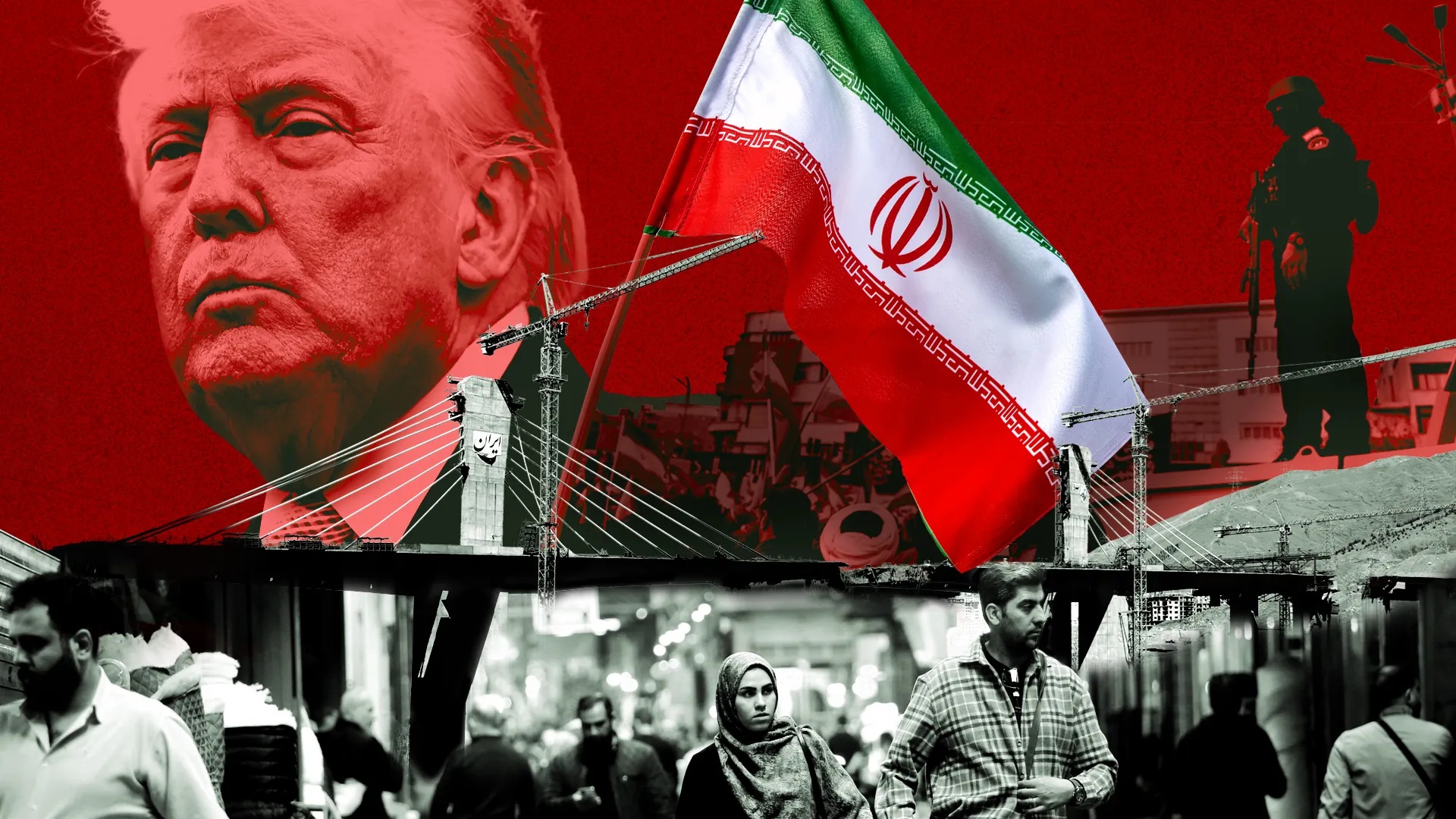
The escalating conflict between the United States and Iran is rapidly becoming one of the most expensive military engagements of the modern era, with its financial and economic consequences extending far beyond the battlefield.
During a tense Senate hearing, U.S. Defense Secretary Pete Hegseth revealed that the war has already cost approximately $37.5 billion, a significant increase from the roughly $29 billion estimate provided in May. Several reports suggest that the official figure may dramatically understate the true cost of the conflict.
According to internal assessments cited by NBC, the actual expenses associated with the war may already be approaching between $80 billion and $100 billion when accounting for damaged military infrastructure, destroyed aircraft, replenishment of precision-guided munitions, logistical support, and the long-term costs of maintaining military operations across the Middle East.
Register for the next Tekedia Mini-MBA.
Register for Tekedia AI in Business Masterclass.
Join Tekedia Capital Syndicate and co-invest in great global startups.
Such a discrepancy raises concerns over transparency and highlights the difficulty of accurately measuring the economic burden of modern warfare. The Senate hearing itself quickly evolved beyond a discussion of current expenditures.
Instead, it became a platform for the Pentagon to advocate for substantially higher defense spending.
The Department of Defense is reportedly seeking an additional $67 billion supplemental funding package, which would come on top of an already massive defense budget estimated at around $1.5 trillion. The request reflects growing concerns within the U.S. military establishment that the conflict may become prolonged and require sustained operational commitments.
Democratic lawmakers, have openly questioned the rationale behind the spending requests. Several senators demanded greater accountability regarding how existing funds are being allocated and whether current expenditures are effectively advancing strategic objectives.

Critics argue that repeated supplemental requests risk creating a cycle of unchecked military spending without sufficient oversight, especially as the war shows little sign of de-escalation. Beyond Washington’s budget debates, the conflict is producing significant repercussions for the global economy.
One of the most immediate consequences has been the disruption of maritime traffic through the Strait of Hormuz, one of the world’s most critical energy chokepoints. Roughly one-fifth of global oil supplies typically pass through this narrow waterway, making any interruption a major concern for international markets.
As hostilities intensify, shipping activity through the strait has reportedly slowed dramatically.
Higher insurance premiums, security concerns, and the increased risk of attacks have discouraged commercial traffic, reducing the flow of crude oil and petroleum products to global markets. The resulting supply concerns have contributed to a sharp rise in oil prices, with Brent crude continuing its upward trajectory.

The surge in energy prices is beginning to ripple across broader financial markets. Higher oil prices typically translate into increased inflationary pressures, forcing central banks to maintain tighter monetary policies for longer periods. This environment tends to weigh heavily on risk assets, including equities, emerging market securities, and cryptocurrencies.
Investors are increasingly concerned that a prolonged conflict could trigger stagflationary conditions—an environment characterized by slowing economic growth alongside persistent inflation. Such fears have already contributed to increased market volatility and a shift toward traditional safe-haven assets.
The U.S.-Iran war is proving costly on multiple fronts. The direct military expenses are climbing rapidly, political divisions over defense spending are widening, and the conflict’s impact on global energy markets is introducing new risks to an already fragile world economy.
If the war continues to escalate, its financial toll could eventually rival some of the most expensive military campaigns in recent American history, with consequences that extend far beyond the Middle East.