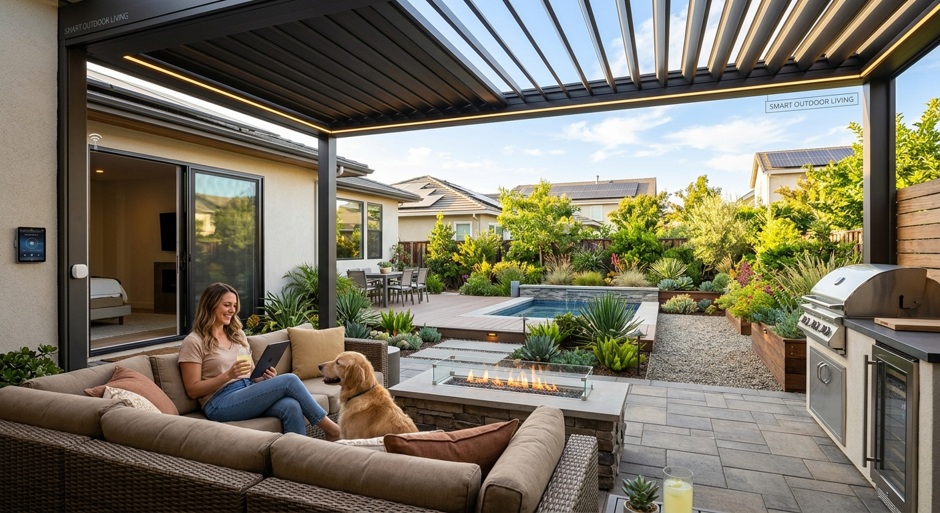
Sacramento is famous for its bright, sun-drenched days, warm summer weather, and exceptional outdoor living potential. From relaxing weekend afternoons to hosting evening dinner parties, patio spaces are a natural, cherished extension of Northern California homes. However, anyone who lives in the Central Valley knows that direct sunlight, intense summer heat, and prolonged ultraviolet exposure can quickly transform a peaceful outdoor sanctuary into a scorching, uncomfortably hot environment.
Instead of retreating indoors behind air conditioning units during peak afternoon hours, forward-thinking homeowners are turning to intelligent outdoor shading solutions. Modern design technologies let families control heat, reduce harsh glare, and protect custom patio furniture with minimal effort. By installing advanced shading systems, property owners can comfortably utilize their outdoor spaces year-round while adding significant aesthetic and monetary value to their real estate investments.
How Automatic Shades Make Sacramento Patios More Comfortable
When summer temperatures climb across the Central Valley, controlling exposure to harsh ultraviolet rays is essential for maintaining an enjoyable outdoor environment. Traditional manual umbrellas often require constant physical adjustments as the sun moves across the sky, offering limited protection. Adding automatic shades to your outdoor patio structure removes this daily hassle, offering instant, effortless environmental control with a single button press or an automated schedule.
Modern automated shading systems transform how families interact with their outdoor living spaces by providing several immediate lifestyle and functional benefits:
- Instant Microclimate Temperature Reduction: Lowering high-performance exterior solar fabrics blocks direct thermal energy before it hits your patio floor, instantly reducing ambient surface and air temperatures underneath patio structures by up to 15 degrees.
- Glaring Sunlight and Eye Strain Mitigation: Blocking intense low-angle morning and late-afternoon sun rays prevents harsh eye strain, making outdoor dining, reading, or working on laptop screens comfortably possible throughout the day.
- Comprehensive Protection for Outdoor Furnishings: Shielding high-end patio chairs, upholstery, decorative rugs, and outdoor kitchen setups from relentless ultraviolet exposure prevents fabric discoloration, material degradation, and cracking over time.
- Enhanced Outdoor Privacy and Intimacy: Dense exterior shading fabrics create a sophisticated, semi-opaque barrier that blocks neighboring views into your private patio area while still preserving clear outward sightlines to your garden or pool.
With automated motorized controls, transforming a hot, sun-beaten outdoor patio into a cool, shaded living room takes only seconds, giving families full control over their outdoor environment no matter how high the temperature climbs.
Why Motorized Shades for Windows Are Ideal for Modern Outdoor Spaces
Creating a cohesive indoor-outdoor transition requires looking at both the patio area and the adjacent house structure. High-performance motorized shades for windows installed along exterior-facing glass walls help harmonize outdoor living spaces with interior climate control. When intense afternoon sunlight hits large sliding glass doors or living room windows, solar heat transfers indoors rapidly, forcing air conditioning systems to work overtime to maintain cool interior temperatures.
Pairing outdoor patio coverings with high-end exterior window coverings creates a powerful dual-layer defense against Sacramento’s demanding summer climate:
- Seamless Architectural and Aesthetic Integration: Sleek protective cassettes and clean fabric lines match contemporary architectural styles, elevating the overall curb appeal and visual elegance of your outdoor entertaining area.
- Customizable Solar Fabric Opacities: Homeowners can choose weave densities from 1% to 10% openness, allowing natural light to filter gently into interior living rooms while blocking up to 98% of harmful ultraviolet radiation.
- Protection for Surrounding Structural Features: Pairing window shades with high-quality awnings Sacramento installations helps shield exterior window frames, delicate door trim, and patio doorways from long-term weather exposure and sun damage.
- Sleek and Unobstructed Motorized Operation: Advanced motor systems operate quietly inside enclosed tracks without messy hanging cords, dangerous chains, or bulky manual crank handles cluttering up patio walkways and window sills.
By managing sunlight before it penetrates your home’s glass boundaries, you maintain balanced interior temperatures while building an inviting, continuous visual path from your indoor living rooms out onto the patio.
Choosing a Motorized Roller Shade for Better Patio Sun Control
Selecting the right shading configuration for an outdoor patio means choosing materials engineered to withstand exterior conditions. A heavy-duty motorized roller shade built for outdoor applications utilizes durable side-retention track systems, reinforced weighted bottom bars, and weather-resistant synthetic fabrics. Unlike standard indoor fabric coverings, exterior roller models are crafted to handle moderate wind, blowing dust, and intense summer heat without warping, sagging, or fraying along the edges.
When selecting the best exterior roller system for your specific backyard layout and architectural configuration, evaluate these essential design components:
- Zipper Track Guidance Systems: Side-retention track systems lock the shade fabric securely inside vertical aluminum side channels, keeping the fabric completely taut during windy conditions and preventing unwanted flapping or noise.
- Durable All-Weather Synthetic Fabrics: High-grade exterior fabrics woven from vinyl-coated polyester or acrylic yarns resist mold, mildew, moisture accumulation, and long-term sun fading under intense UV exposure.
- Compact Protective Aluminum Housings: Powder-coated aluminum headboxes fully enclose the rolled fabric when retracted, protecting internal motorized components and fabric rolls from rain, bird droppings, dirt, and outdoor debris.
- Custom Size Scalability for Large Openings: Precision custom manufacturing options allow single roller units to span exceptionally wide patio openings, providing comprehensive sun coverage for large outdoor dining and kitchen spaces.
Investing in a heavy-duty motorized roller shade keeps your patio setup reliable, elegant, and fully functional year-round, delivering long-lasting performance and maximum sun control.
How Smart Home Window Treatments Extend Indoor Comfort Outdoors
The modern home is increasingly interconnected, allowing property owners to monitor lighting, security, and climate controls through smartphone applications or simple voice commands. Integrating smart home window treatments into your overall residential automation network takes outdoor patio comfort to a completely new level of convenience. Rather than manually checking weather forecasts or walking around adjusting individual shades throughout the day, smart automated systems respond dynamically to changing environmental conditions.
Connecting exterior patio shades and window coverings to your central home automation hub unlocks several advanced operational features:
- Automated Time-Based Scheduling: Program your outdoor shades to deploy automatically during peak solar heat hours in the early afternoon and retract automatically as the sun sets in the evening.
- Dynamic Environmental Sensor Responses: Integrated wind, temperature, and sun sensors lower shades automatically when intense solar heat is detected and retract them during sudden strong wind gusts to protect the fabric’s structural integrity.
- Hands-Free Voice Control Accessibility: Simple voice commands through popular smart assistants like Amazon Alexa, Google Assistant, or Apple HomeKit let you adjust patio lighting and shade height without leaving your seat.
- Remote Smartphone App Access: Adjust your home’s shades remotely from work or while traveling to keep your patio and interior living space cool and energy-efficient before you arrive home.
Embracing intelligent home automation eliminates daily guesswork, ensuring your patio is always shaded, cool, and comfortable exactly when you and your family want to use it.
The Benefits of Outdoor Solar Shades and Electric Window Shades
Modern property owners prioritize maximizing energy efficiency while expanding usable living space. Installing high-efficiency outdoor solar shades directly onto patio structures works in perfect synergy with interior electric window shades to create an effective, comprehensive thermal barrier around your home’s exterior envelope. Outdoor solar screen fabrics reflect solar thermal energy away from the building before it reaches glass doors or outdoor seating areas, resulting in substantial energy savings during peak summer cooling months.
Combining exterior solar screening with interior automated coverings offers long-term advantages for both your lifestyle and household budget:
- Substantial Lowering of Annual Energy Bills: Blocking thermal solar gain before it penetrates living spaces reduces heavy reliance on indoor air conditioning units, visibly lowering summer electricity expenses.
- Glare-Free Outdoor Entertainment Experience: Specialized micro-perforated solar fabrics block intense, blinding light while letting homeowners enjoy clear, unobstructed views of their backyard gardens, landscaping, and swimming pools.
- Versatile All-Weather Patio Utilization: Combining outdoor solar shades with overhead patio covers creates protected outdoor microclimates that shield seating areas from light rain showers, falling leaves, and cool evening breezes.
- Increased Overall Property and Real Estate Value: Installing high-end electric window shades and exterior shade systems is a permanent architectural upgrade that boosts property value and strongly appeals to future homebuyers.
Combining these smart shading solutions transforms your outdoor patio from an underutilized seasonal area into a comfortable, energy-efficient living space you can enjoy year-round.
Upgrading your backyard with modern automated shading solutions is one of the most effective investments you can make for your home. By combining durability, intelligent automation, and high-performance solar fabrics, homeowners can easily overcome summer heat and make full use of their outdoor living spaces.
Investing in automatic shades and modern smart home window treatments allows you to spend more time outdoors entertaining family and friends in complete comfort. Embrace smart outdoor design today and turn your patio into the ultimate shade-protected residential oasis.