

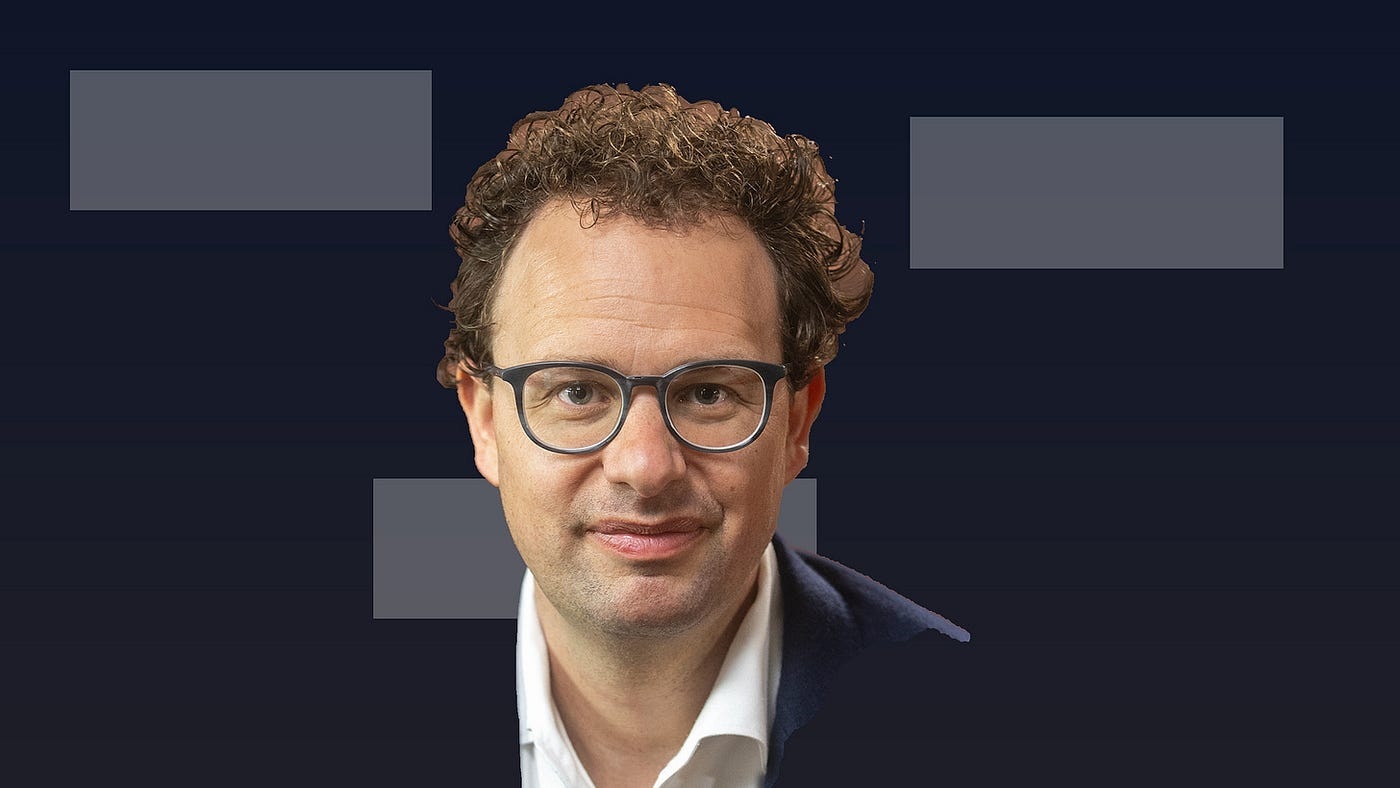
Anthropic CEO Dario Amodei, long regarded as one of the most outspoken advocates for stricter controls on frontier artificial intelligence, is now at the center of a policy intervention that has effectively validated many of the risks he has publicly warned about, while simultaneously constraining his company’s most advanced systems.
The company confirmed that it had been ordered by the U.S. government to block foreign access to its newest models, Mythos 5 and Fable 5, prompting immediate shutdowns of international availability. The move, supported publicly by the Pentagon’s chief information officer, represents one of the most direct forms of state intervention yet in the deployment of commercial AI systems.
The official described the action in unusually stark terms on X, writing: “Some things are simply more important than revenue cycles, clickbait, and pre-IPO valuation.”
Register for the next Tekedia Mini-MBA.
Register for Tekedia AI in Business Masterclass.
Join Tekedia Capital Syndicate and co-invest in great global startups.
The decision has intensified debate across the technology sector, not only about the risks posed by advanced AI systems, but also about whether public safety warnings from industry leaders are now accelerating regulatory crackdowns.
A warning that became policy pressure
Amodei has repeatedly argued that advanced AI systems are entering a zone where their capabilities carry systemic risks for cybersecurity, financial infrastructure, critical services and national security. In a recent essay this month, he wrote that AI’s power “has become undeniable.” He specifically cited Anthropic’s latest models as an example of systems that present what he called “very real risks” across sensitive domains, including cybersecurity, finance, critical infrastructure, and national security.
He also argued that governments must move faster to regulate the technology, calling for stronger state intervention to keep pace with rapid capability gains.

Those warnings were echoed in earlier statements in which Anthropic stated that frontier systems may soon exceed the ability of governance frameworks and technical safeguards to keep pace. In a separate company paper, Anthropic warned that the next generation of AI models could require the option of a pause in development.
“We believe it would be good for the world to have the option to slow or temporarily pause frontier AI development to enable societal structures and alignment research to keep up with the advance of the technology,” it said.
The company also warned that models are approaching a point where they may be capable of improving themselves, adding that this “might increase the risks of humans losing control over AI systems.”

The government’s decision to restrict access to Mythos 5 and Fable 5 triggered an immediate reaction from the AI research community, splitting opinion between safety advocates and those who view the move as excessive.
AI researcher Gary Marcus criticized the intervention, calling it “wildly overdramatic and also counterproductive.”
In contrast, Yann LeCun directly linked the outcome to Anthropic’s own messaging, writing on X: “Dario Amodei’s ridiculous fear mongering about Mythos/Fable (and AI in general) finally pays off. One reaps what one sows.”
The Pentagon official who endorsed the decision framed it in national security terms rather than technical safety, underscoring the shift in how governments are now categorizing frontier AI systems: not just as commercial products, but as strategic assets with potential military and intelligence implications.
Amodei’s position on AI safety has been consistent since his departure from OpenAI, where he was previously a senior researcher. He left amid concerns that competitive pressure was pushing companies to release increasingly powerful systems without sufficient safeguards.
Since founding Anthropic, he has repeatedly warned that AI systems could have destabilizing labor and macroeconomic effects. At various points, he has suggested that automation driven by AI could displace large portions of entry-level white-collar employment, with impacts comparable to major economic downturns.
While he has moderated some of his public comments on labor market disruption in recent months as Anthropic prepares for a potential IPO, he has continued to escalate warnings in other domains, particularly cybersecurity and autonomous system risk.
His recent essay explicitly expanded this concern set, warning that AI risks are no longer hypothetical and are already emerging in measurable form across sensitive sectors.
However, Washington’s intervention marks a significant change from earlier regulatory debates focused primarily on privacy, bias, and competition. The current focus extends into cyber warfare, critical infrastructure resilience, and potential dual-use applications of AI models.
Analysts expect this episode to intensify regulatory scrutiny around Anthropic, which is gearing up for its IPO.