

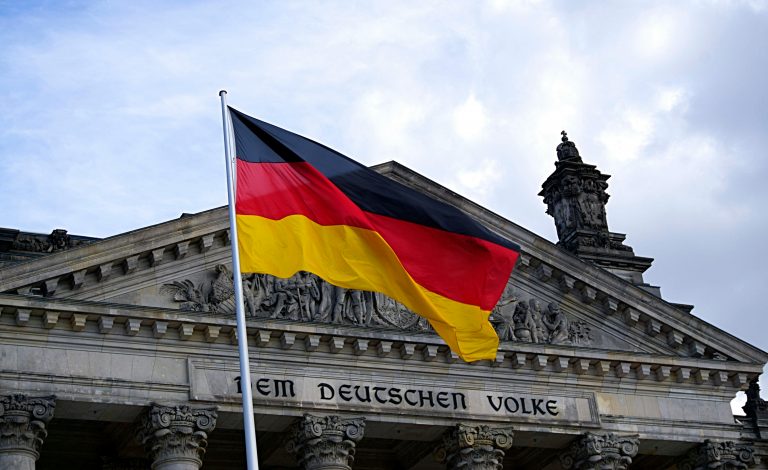
Germany’s economic recovery gathered fresh momentum in the first half of 2026 as two major developments highlighted growing confidence in Europe’s largest economy.
National rail operator Deutsche Bahn announced its first operating profit in its core business in seven years, while Amazon revealed plans to invest more than €300 million to expand its operations in southwestern Germany.
These announcements signal renewed optimism for the country’s infrastructure, logistics, digital economy, and long-term competitiveness.
Deutsche Bahn’s return to profitability marks a significant milestone after years of financial struggles, operational disruptions, and declining public confidence.
Register for the next Tekedia Mini-MBA.
Register for Tekedia AI in Business Masterclass.
Join Tekedia Capital Syndicate and co-invest in great global startups.
The state-owned railway operator has faced mounting challenges over the past decade, including aging infrastructure, frequent service delays, rising operating costs, and the financial impact of the COVID-19 pandemic.
The latest results indicate that extensive restructuring efforts, efficiency improvements, and investments in rail operations are beginning to deliver measurable outcomes. The company’s core business posted a profit during the first six months of 2026, representing its strongest operational performance since 2019.
This achievement reflects better cost management, increased passenger demand, and stronger freight operations as economic activity gradually strengthened across Germany and Europe.
Improved punctuality, optimized maintenance schedules, and modernization projects have contributed to restoring customer confidence in the rail network.

A financially healthier Deutsche Bahn carries broader implications for Germany’s economy. Efficient railway infrastructure supports domestic commerce, facilitates international trade, and advances the country’s environmental objectives by encouraging more passengers and businesses to shift from road transport to lower-emission rail services.
As Germany seeks to meet ambitious climate targets, a stronger national rail operator will remain central to reducing transportation-related carbon emissions while improving economic productivity.
Amazon’s decision to invest more than €300 million in expanding one of its sites in southwestern Germany reinforces the country’s position as a key European logistics and technology hub.
The investment is expected to enhance warehouse capacity, improve automation systems, and create additional employment opportunities across the region. Amazon’s expansion reflects sustained confidence in Germany’s consumer market and strategic location within Europe’s supply chain.

Germany offers excellent transport infrastructure, access to major European markets, and a highly skilled workforce, making it an attractive destination for multinational technology and logistics companies seeking long-term growth.
The investment is likely to generate significant economic spillover effects. Construction activities will support local contractors and suppliers, while expanded operations could create new jobs in logistics, engineering, information technology, maintenance, and administrative services.
Local businesses may benefit from increased commercial activity surrounding the expanded facility. Beyond employment, Amazon continues to invest heavily in automation, robotics, artificial intelligence, and cloud-enabled logistics solutions. These technologies improve operational efficiency, accelerate order fulfillment, and strengthen supply chain resilience.
As Germany continues its broader digital transformation agenda, private-sector investments of this scale complement public efforts to modernize infrastructure and promote innovation.
Deutsche Bahn’s return to profitability and Amazon’s major expansion underscore two important pillars of Germany’s economic strategy: modern infrastructure and digital commerce.
Public investment in transportation, combined with private-sector commitments to technology and logistics, creates a foundation for sustainable economic growth and improved competitiveness.
While Germany still faces headwinds such as global trade uncertainty, demographic challenges, and high energy costs, these developments suggest that confidence among both public institutions and multinational corporations is strengthening.
If continued reforms, infrastructure modernization, and private investment remain on course, Germany could reinforce its position as Europe’s industrial and logistics powerhouse, supporting stronger growth, greater innovation, and long-term economic resilience throughout the remainder of 2026.
German Inflation Rebounds in July as Food and Services Costs Stay Elevated
Meanwhile, German inflation unexpectedly accelerated in July, adding fresh complexity to the eurozone’s economic outlook as households and businesses continue to grapple with elevated living costs.
Preliminary figures released by Germany’s Federal Statistical Office showed that consumer prices increased by 2.8% year-on-year in July, compared with 2.3% in June, marking a sharper-than-expected rise and signaling that inflationary pressures remain persistent in Europe’s largest economy.
The increase comes at a time when many policymakers and investors had anticipated a more gradual decline in inflation following months of easing price growth.
Instead, the July figures suggest that underlying price pressures have not disappeared and may continue to challenge the European Central Bank as it seeks to balance inflation control with economic growth.
Germany’s inflation data is closely watched because it often provides an early indication of broader price trends across the eurozone. As the bloc’s largest economy, developments in Germany frequently influence expectations for ECB monetary policy.
A higher-than-expected inflation reading could reinforce the argument for maintaining relatively restrictive interest rates for longer, even as economic growth across Europe remains subdued. Several factors likely contributed to the rebound in inflation.
Energy prices, which had previously eased due to favorable base effects, may have begun exerting upward pressure again. Food prices also remain volatile, while services inflation has continued to stay elevated, reflecting higher labor costs and strong wage growth.
German employers have been raising wages in response to previous inflation shocks, helping workers recover lost purchasing power but also increasing operating costs for businesses, many of which pass those expenses on to consumers.
The latest figures highlight the ongoing tension between economic recovery and price stability.
Germany has experienced sluggish economic performance over the past year, with weak industrial production, softer exports, and cautious consumer spending weighing on overall growth.
Persistently high inflation reduces household purchasing power, making consumers more selective in their spending while increasing uncertainty for businesses planning future investments.
Financial markets are likely to scrutinize the inflation report for clues about future ECB decisions. Although the central bank has made progress in bringing inflation closer to its long-term target of 2%, the July increase demonstrates that the final phase of disinflation may prove more difficult than expected.
Policymakers will likely examine whether the rise represents a temporary fluctuation or the beginning of a broader resurgence in price pressures. The renewed increase means that everyday expenses may continue to rise faster than many households would prefer.
Higher prices for essential goods and services can strain family budgets, particularly for lower-income households that spend a larger share of their income on necessities. Businesses, meanwhile, face the challenge of managing higher input costs without significantly weakening consumer demand.
The July inflation data also carries broader implications for the eurozone economy. If similar trends emerge across other member states, the ECB could become more cautious about easing monetary policy too quickly.
Higher borrowing costs for an extended period may help restrain inflation but could also slow investment, lending, and overall economic activity. Economists will closely monitor upcoming inflation reports, wage data, and energy price movements to determine whether July’s increase represents a temporary spike or a more persistent trend.
Germany’s inflation rebound serves as a reminder that the fight against rising prices is not yet over. While inflation has fallen substantially from the record highs experienced in recent years, achieving lasting price stability remains one of the most significant economic challenges facing Germany and the wider eurozone.