

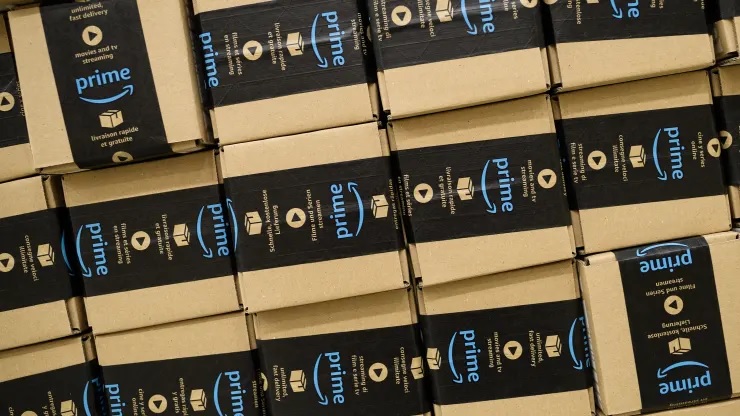
Amazon.com says it is reassessing its delivery strategy as the company enters a critical negotiation period with the United States Postal Service, following signals that USPS may overhaul its long-standing partnership with the e-commerce giant.
The existing contract, which expires in October 2026, is now at the center of a broader debate over USPS revenue streams, competitive market access, and the future of last-mile logistics in the United States.
In a statement on Thursday, Amazon confirmed ongoing discussions with USPS but said it was surprised to learn of a potential shift in how the Postal Service intends to allocate access to its delivery infrastructure.
Register for Tekedia Mini-MBA edition 20 (June 8 – Sept 5, 2026).
Register for Tekedia AI in Business Masterclass.
Join Tekedia Capital Syndicate and co-invest in great global startups.
Register for Tekedia AI Lab.
“We’ve continued to discuss ways to extend our partnership that would increase our spend with them, and we look forward to hearing more from them soon—with the goal of extending our relationship that started more than 30 years ago,” the company said. “We were surprised to hear they want to run an auction after nearly a year of negotiations, so we still have a lot to work through.”
The Washington Post reported earlier that new Postmaster General David Steiner plans to hold a reverse auction in early 2026. Under the proposal, access to USPS facilities—critical assets that enable wide-reaching, rapid parcel delivery—would go to the highest bidder rather than being granted directly to Amazon, its top customer. The shift would force Amazon to compete with national retail brands and regional logistics providers for the same operational privileges it currently enjoys.
Amazon delivered more than $6 billion in revenue to USPS in 2025, representing about 7.5 percent of the service’s total sales. Losing the contract, analysts say, would be a severe blow to an agency grappling with structural financial challenges, including the long-term collapse of first-class mail volumes, which have dropped more than 80 percent since 1997. USPS recorded a $9.5 billion loss last year, pressured by shrinking mail revenue, the ongoing migration to digital communication, and intensifying competition from private carriers.

USPS did not comment on the report or the current state of negotiations.
Amazon, meanwhile, says it is reviewing all alternatives to ensure uninterrupted delivery performance.
“Given the change of direction and the uncertainty it adds to our delivery network, we’re evaluating all of our options that would ensure we can continue to deliver for our customers,” the company said.

A rapidly shifting parcel market
Amazon has steadily expanded its logistics ecosystem over the past decade, building what many analysts describe as one of the world’s largest private delivery networks. This network includes hundreds of fulfillment centers, last-mile delivery stations, Amazon Air’s growing fleet, and a non-union workforce that gives the company tighter control over labor costs compared to rival carriers.
Amazon Logistics is already a dominant force in U.S. parcel delivery. Last year, it handled 6.3 billion parcels—just shy of USPS’ 6.9 billion—according to figures from the Pitney Bowes Parcel Shipping Index. The data shows Amazon is projected to surpass USPS in parcel volume by 2028, though analysts say that could occur earlier if the USPS-Amazon relationship fractures.
In April, Amazon pledged more than $4 billion to expand its U.S. rural delivery network by the end of next year, a strategic move that may help insulate the company from possible disruptions tied to USPS. Rural routes remain one of USPS’ most vital assets, given its legally mandated universal delivery obligation and extensive physical reach into underserved regions. Amazon’s investment signals that it is preparing to further reduce dependence on outside carriers.
A meeting at the top and political pressure around USPS
Steiner, who took office earlier this year, met virtually with Amazon CEO Andy Jassy on November 14, according to the Post. The agenda of that discussion remains unclear, but the report suggests the relationship between USPS and its most important customer is navigating a pivotal transition.
USPS’ troubles have also attracted attention from U.S. President Donald Trump, who has repeatedly criticized the agency and suggested sweeping changes. In February, Trump said he was considering merging USPS with the Department of Commerce, calling the Postal Service “a tremendous loser for this country.” Democrats pushed back sharply, arguing such a move would violate federal law and undermine the Postal Service’s independent mandate.
Amid these tensions, analysts say the balance of bargaining power is shifting. “USPS needs Amazon a lot more than Amazon needs USPS,” said New York–based ecommerce analyst Juozas Kaziukenas. “Amazon has all the cards in their hands in this case.”
A 30-year partnership at a crossroads
Amazon and USPS have worked together since the mid-1990s, long before Amazon emerged as a global retail powerhouse. USPS played an essential role in the company’s early growth by allowing low-cost last-mile delivery across U.S. households. As Amazon grew into one of the world’s largest logistics operators in its own right, the relationship evolved but remained vital: USPS handles a large share of Amazon’s weekend and rural deliveries, which complement Amazon’s dense urban distribution footprint.
If the reverse auction proposal proceeds, analysts say it would mark one of the most consequential restructurings of USPS’ commercial strategy in years. It would also open the door to new competitors vying for access to USPS infrastructure at a time when parcel volumes, labor costs, and technological pressures are reshaping the industry.
Amazon’s willingness to publicly highlight its surprise at the potential auction signals that negotiations may now be entering a more contentious stage. The company says it remains interested in expanding its business with USPS, but the uncertainty has forced it to consider parallel strategies to safeguard the reliability of its deliveries.