

Amazon’s Ring is expanding beyond conventional home security cameras with two autonomous surveillance devices designed to monitor homes and commercial properties, deepening its push into a smart home market increasingly shaped by robotics and artificial intelligence.
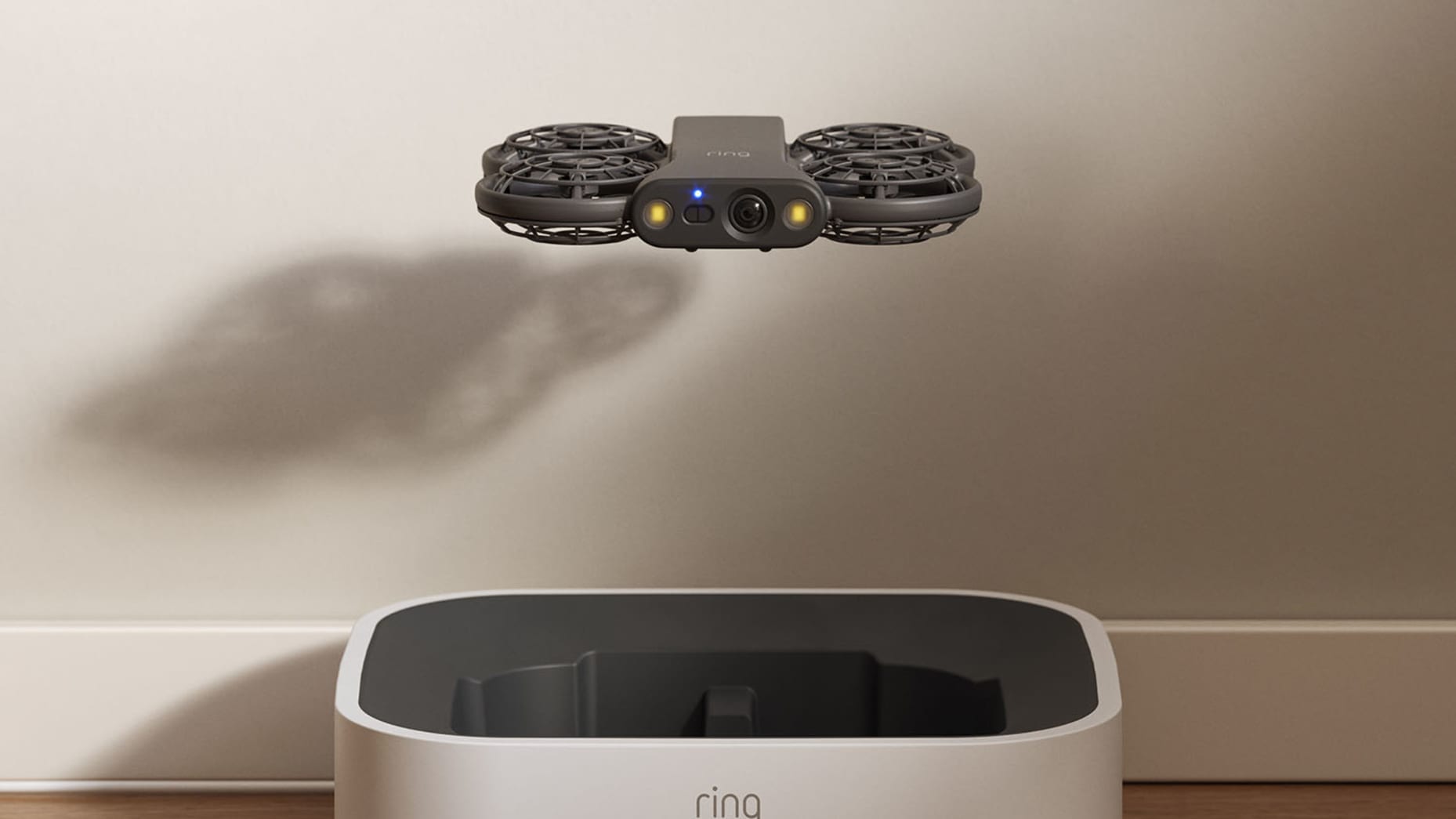
The company unveiled the $250 Ring Drone Cam on Tuesday, an indoor security camera that can fly between rooms, including upstairs, to investigate suspicious activity. The device follows a preset route when triggered by alarms or sensors connected to windows, doors, and other home security equipment. Users can also activate it manually to inspect different areas of their properties.
At a demonstration in New York on Monday, Ring chief executive Jamie Siminoff described the drone as both a monitoring device and a potential crime deterrent. Its built-in LED lights can illuminate areas of a property as it moves through the house, potentially alerting intruders that they have been detected.
Register for the next Tekedia Mini-MBA.
Register for Tekedia AI in Business Masterclass.
Join Tekedia Capital Syndicate and co-invest in great global startups.
“If someone is going around your house at night, and your motion detector goes off on your Ring doorbell, imagine if you see spotlights and something flying across the window,” Siminoff said. “You’re probably not going to go into that house.”
The drone can operate for up to eight minutes before returning autonomously to its charging dock. Its two plastic-encased propellers produce a noticeable buzzing sound while airborne, adding another feature that could make its presence apparent to anyone inside the property.
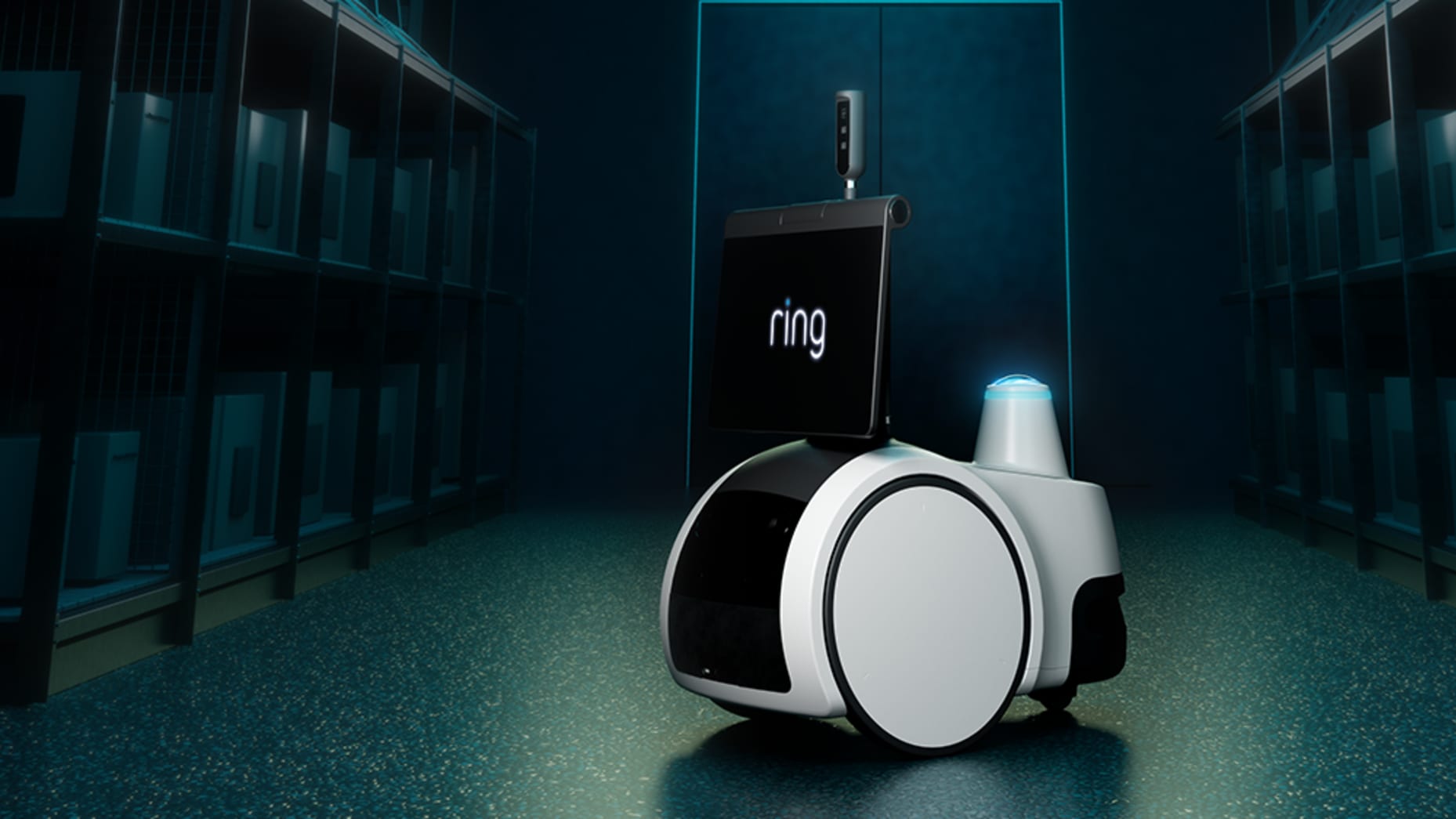
The second product, the $1,000 Ring Rover Cam, targets businesses seeking automated security patrols across offices, warehouses and other commercial premises. The device adapts technology from Amazon’s Astro home robot, which debuted in 2021 but has received limited upgrades since its launch.

Ring described the Rover Cam as a purpose-built security robot, combining a display mounted on a two-wheeled base with an extendable periscope camera. It also includes a built-in siren, two-way audio and a light tower that projects illumination onto the ceiling, helping users identify the robot’s location.
Together, the products extend Ring’s business from fixed cameras and video doorbells towards mobile surveillance systems that can cover multiple locations without requiring a separate camera in every room.
“People like indoor cameras, but they don’t necessarily want them everywhere around their home,” Siminoff said.

Amazon acquired Ring in 2018, giving the e-commerce and cloud computing company a stronger position in the smart home market. The brand has since become a major part of Amazon’s connected-device portfolio, alongside Echo smart speakers and Eero routers.
The market offers substantial commercial potential. Grand View Research estimates that global smart home sales will exceed $200 billion this year, attracting competition from technology companies including Apple and Google.
Ring’s latest products could help Amazon capture a larger share of that spending by offering security functions that go beyond recording footage from fixed locations. A mobile camera can investigate an alert in a different room, while an autonomous robot can patrol a commercial property rather than relying entirely on stationary cameras and human monitoring.
However, the expansion also brings renewed attention to the privacy implications of increasingly pervasive surveillance technology.
Ring has faced repeated scrutiny over its partnerships with law enforcement agencies and the way its devices can be used to collect and share footage. Earlier this year, the company encountered renewed criticism following a Super Bowl advertisement promoting an AI-powered pet-finding feature called Search Party.
Ring subsequently cancelled an integration with Flock Safety, a police technology provider whose automated license plate recognition systems have also faced widespread backlash over surveillance and data-sharing concerns.
The introduction of mobile indoor cameras adds another dimension to those debates. Unlike fixed security cameras, which monitor a defined area, autonomous devices can move through private spaces and capture footage from changing angles. Their ability to respond automatically to alerts also raises questions about who controls their movement, when recording begins, and how captured footage is stored or accessed.
Ring said privacy is the default setting for both the Drone Cam and Rover Cam. Each device flashes an LED indicator when recording, providing a visible signal that surveillance is taking place.
The company first previewed its indoor drone in 2020 under the name Always Home Cam. Siminoff said Ring delayed commercial release while it worked on improving the device’s design, sensors, and data-processing capabilities. The new launch represents the commercialization of a concept the company had been developing for several years.
Amazon Sets Limits on Drone Operation
The Drone Cam is designed exclusively for indoor use. Siminoff said the device cannot legally be operated outside under the restrictions imposed by the US Federal Aviation Administration, which generally require drones to remain within the operator’s visual line of sight.
“We have told our customers not to do that because it’s illegal,” he said. “We’ve also put guardrails in there to make it so it doesn’t fly outside.”
That restriction distinguishes the product from outdoor security drones that can patrol larger properties and monitor areas beyond a building. Ring’s approach instead focuses on using a compact aircraft to move through indoor spaces where fixed cameras may have limited coverage.
The two products also give Amazon an opportunity to extend its robotics capabilities into commercial applications. The Rover Cam’s use of Astro technology provides a route to repurpose an existing platform for a more focused security market, while the Drone Cam introduces a different form of mobile monitoring for households.
The commercial challenge will be persuading consumers and businesses that mobile surveillance offers enough additional value to justify the cost and potential privacy concerns. The Drone Cam is priced at $250, while the Rover Cam costs $1,000, placing the latter in a different purchasing category aimed at organizations with larger security requirements.
The Ring Drone Cam is scheduled to begin shipping in the United States on January 27, pending approval from the Federal Communications Commission. The Ring Rover Cam is expected to start shipping on December 16, according to the company.