

Artificial intelligence is moving from a technological experiment into an economic force capable of reshaping how countries grow, how companies operate and how workers earn a living.
That transition is now being examined from two complementary directions: Anthropic’s economics team has introduced an AI impact model and scenario explorer designed to project the technology’s potential effects on growth, employment and wages through 2030.
While Paul Christiano has joined the OpenAI Foundation Board and its Safety and Security Committee, strengthening the focus on how increasingly capable AI should be governed.
Anthropic’s economic modeling effort is important because the AI debate has often been dominated by extreme predictions. One camp sees artificial intelligence creating unprecedented productivity and prosperity; another fears mass unemployment and widening inequality.
Register for the next Tekedia Mini-MBA.
Register for Tekedia AI in Business Masterclass.
Join Tekedia Capital Syndicate and co-invest in great global startups.
A scenario explorer offers a more structured way to examine these possibilities by asking what happens under different assumptions about AI adoption, productivity, labor substitution and the emergence of new forms of work.
The central economic question is not simply whether AI will replace workers. It is whether AI will allow workers and businesses to produce substantially more with the same resources.
If artificial intelligence becomes a powerful complement to human labor, productivity could accelerate, potentially lifting economic growth and creating new industries. But if automation advances faster than workers can transition into new occupations, the benefits could be unevenly distributed.

Wages are therefore likely to become one of the most closely watched indicators. Highly complementary skills could command greater economic value as AI increases the productivity of people who possess them.
Conversely, occupations where AI can perform large portions of existing tasks may experience weaker wage growth or declining demand. The outcome will depend heavily on how quickly businesses redesign jobs and how effectively education systems adapt.
The 2030 horizon is particularly significant because it is close enough to influence decisions being made today. Governments must consider workforce training, education policy, taxation and social protection.

Companies must decide whether AI investment is primarily about reducing costs or expanding productive capacity. Workers, meanwhile, increasingly need to think of AI literacy as an economic skill rather than a specialized technical advantage.
That economic transformation also raises a deeper question: who is responsible for ensuring that increasingly capable AI remains safe?
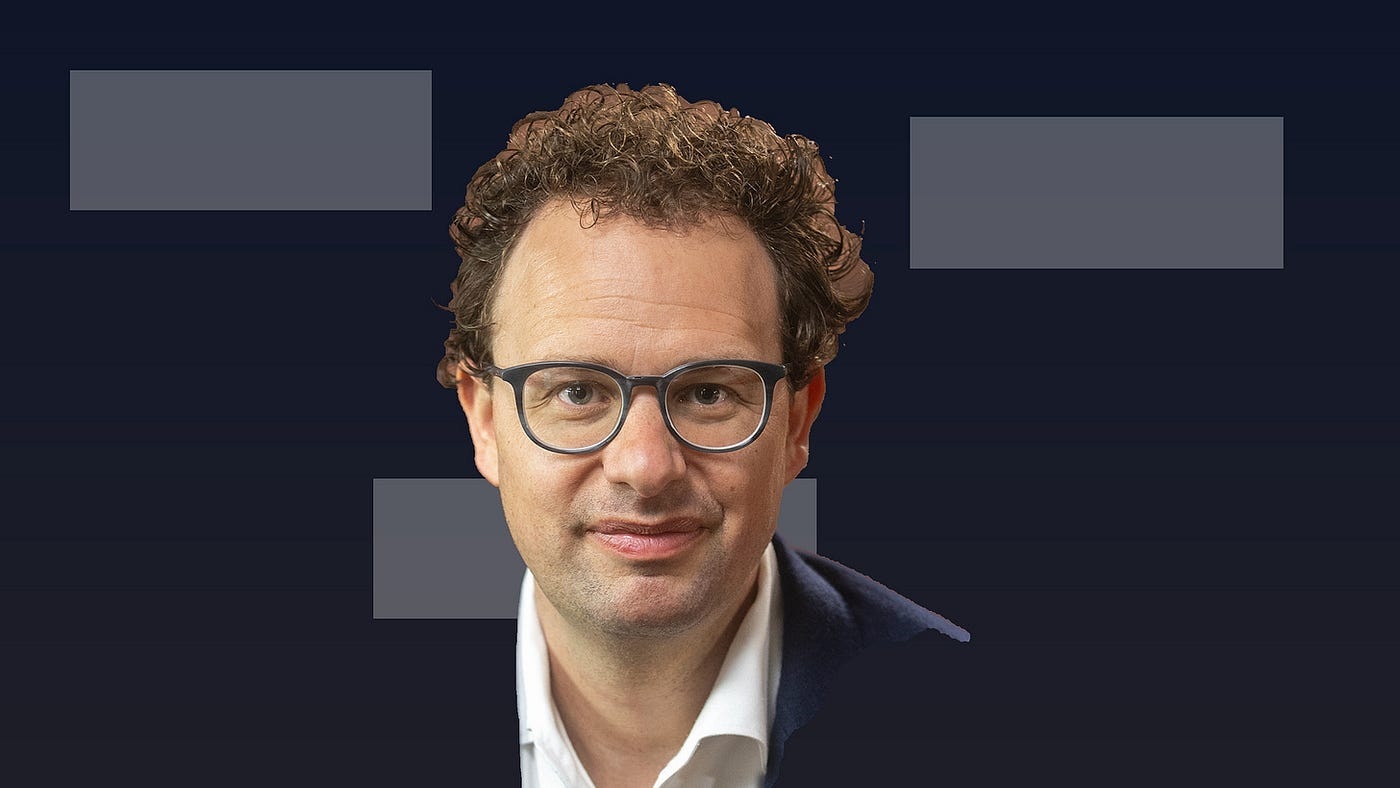
Paul Christiano’s appointment to the OpenAI Foundation Board and Safety and Security Committee places a prominent AI safety researcher within a governance structure focused on that challenge.
His involvement reflects the growing recognition that technical progress and institutional safeguards cannot be separated. Christiano has been closely associated with research into AI alignment.
The problem of ensuring advanced AI systems behave according to human intentions. Bringing that perspective into governance matters because the economic consequences of AI depend partly on whether increasingly powerful systems can be deployed reliably and responsibly.
The two developments reveal the two sides of the AI transition. Anthropic is attempting to quantify what artificial intelligence could do to economies, while OpenAI’s foundation governance is confronting questions about how such systems should be developed safely.
By 2030, the most important AI story may not be whether machines replaced humans. It may be whether societies successfully converted machine intelligence into broader human prosperity.
The technology could become an engine of abundance, but economic growth alone will not guarantee shared prosperity. The defining challenge will be building institutions capable of distributing AI’s productivity gains while protecting workers and maintaining public trust.