

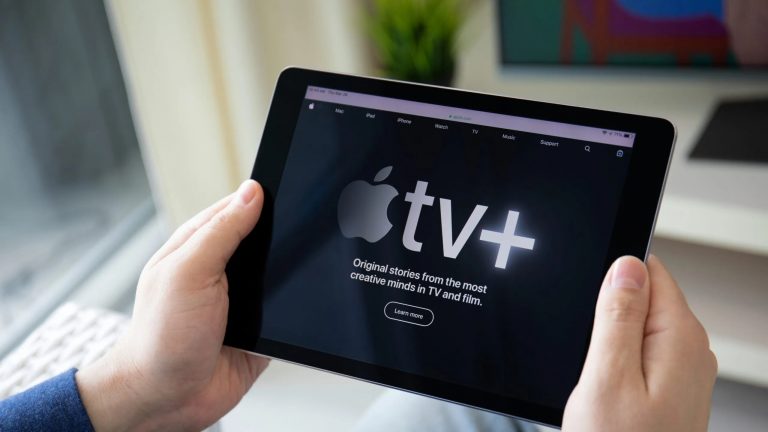
Apple TV+ is raising its subscription price again, this time to $12.99 per month, up from the $9.99 rate introduced in October 2023. The 30% increase will take effect within the next 30 days for existing subscribers.
However, Apple confirmed that the change will not impact its annual plan or the bundled Apple One package, which combines Apple TV+ with other services.
Unlike competitors, Apple has never introduced advertising on its on-demand platform, and this latest change does not alter that. Apple TV+ remains an entirely ad-free service, continuing to lean on its curated library of prestige originals as a key differentiator.
Register for Tekedia Mini-MBA edition 20 (June 8 – Sept 5, 2026).
Register for Tekedia AI in Business Masterclass.
Join Tekedia Capital Syndicate and co-invest in great global startups.
Register for Tekedia AI Lab.
Even with the price hike, Apple TV+ still undercuts some of its rivals in the ad-free tier. Amazon Prime Video remains slightly cheaper at under $12 without ads, while Paramount+ recently set its ad-free plan at $13 monthly. However, Apple’s move effectively erases its advantage as one of the last services offering ad-free shows at a lower price than ad-supported plans on Disney+, Hulu, and HBO Max.
The bigger picture: rising costs of streaming
For Apple, the price increase reflects the mounting costs of running a streaming service in a saturated market. Apple TV+ launched in 2019 with a $4.99 monthly price tag and a smaller library than its rivals, but it has steadily invested billions in content to build out its slate of originals. Its expansion into blockbuster projects such as Killers of the Flower Moon and long-term sports rights deals has raised its operating expenses considerably.
Analysts say Apple’s willingness to raise prices shows it is determined to position TV+ closer to mainstream streaming peers, rather than being treated as a discounted add-on. While Apple’s streaming arm is not its main profit driver — the iPhone and other hardware still lead the way — services have become an increasingly important growth engine. The company has leaned on TV+ and Apple One bundles to boost recurring revenue as device sales flatten.

Consumers shift to FAST platforms
But the latest price hike also risks pushing some subscribers toward free, ad-supported streaming television (FAST) platforms, which have been enjoying a breakout year. Nielsen data shows YouTube achieved one of its largest connected TV viewership gains in July, climbing to 13.4% of U.S. TV watchtime, up from 12.8% in June.
Roku’s FAST channel had its biggest monthly jump ever, growing to 2.8% of U.S. connected TV viewing time, while Fox-owned Tubi maintained a 2.2% share, still higher than subscription services like Paramount+, Peacock, HBO Max, and Apple TV+. Apple TV+ has never appeared in Nielsen’s monthly streaming rankings, underscoring its more niche scale compared to rivals.
However, some analysts warn that continued price hikes across the streaming landscape could accelerate this trend. As households weigh subscription fatigue against tightening budgets, free services like YouTube, Tubi, and Roku Channel are increasingly seen as attractive alternatives.

The move cements Apple TV+ as part of the broader wave of streaming inflation, where virtually every major platform has lifted prices in the past 18 months. The challenge for Apple will be balancing its growing ambitions in premium content against the risk of pricing itself out of reach for casual viewers.
While the brand still benefits from its tie-in with Apple hardware and bundles, it faces growing competition not just from Netflix or Disney, but from the surging popularity of FAST platforms that don’t ask consumers to pay at all.