

Artificial intelligence is everywhere now, and it’s already proving that it has some positive uses. There are ways of applying this futuristic technology to upgrade things in ways that once seemed impossible.
One of the most exciting applications is in fishing, where AI can now be used to help tackle the problem of overfishing and help trawlers avoid catching the wrong species. Smart nets are being developed, and investors are beginning to take notice.
Fishing Has Learned to Embrace Technology
Fishing has embraced technology throughout its history, burgeoning many innovations in the way people catch fish over the years. Nowadays, everyday anglers have access to a vast range of tools that make things simpler, including sonar detection and AI identification apps.
The activity has also grown in digital forms, with countless online games giving people different ways to discover it. For instance, in the online casino market, it’s possible to play Big Bass Bonanza and other titles in the Big Bass series. These titles emulate the spontaneity and the joy of the fishing experience, aided by lighthearted imagery and animations and a sturdy interface.
There are also titles that aim to provide a more realistic representation of fishing, such as Fishing Planet and the virtual reality game Real Fishing VR. In parts of the world where the weather isn’t very always optimal or stable, or where people don’t live very close to large bodies of water, these games can be very useful for giving people a taste of the sport when they wouldn’t otherwise have the opportunity.
All of these diverse titles show how adaptable fishing is as a digital theme, and how it’s open to evolve alongside technology.
How Do AI Nets Work?
In real-world fishing situations, technology is becoming much more prevalent in the AI age. One of the greatest innovations for commercial fishing is the emergence of smart nets such as Smartrawl.
It was developed by researchers at Heriot-Watt University and partners in the UK fishing industry, and uses an underwater stereo camera to capture images of animals passing through the trawl. An AI-powered computer then analyses the images to determine the species and size, and if the creature matches the chosen criteria, it can be retained. If not, a computer controlled rotating gate can direct it back into the sea.
There are so many huge advantages to this system that can make fishing more sustainable. Along with reducing the risk of a species of fish being overfished and helping ecosystems remain intact, it can protect various non-target species such as dolphins that are often caught in nets accidentally.
Investors Are Taking Notice
There’s a vast amount of investment into environmentally-friendly projects, and now AI-powered fishing solutions are gaining attention from investors. Investors are becoming increasingly interested in AI, especially if it is combined with sustainability.
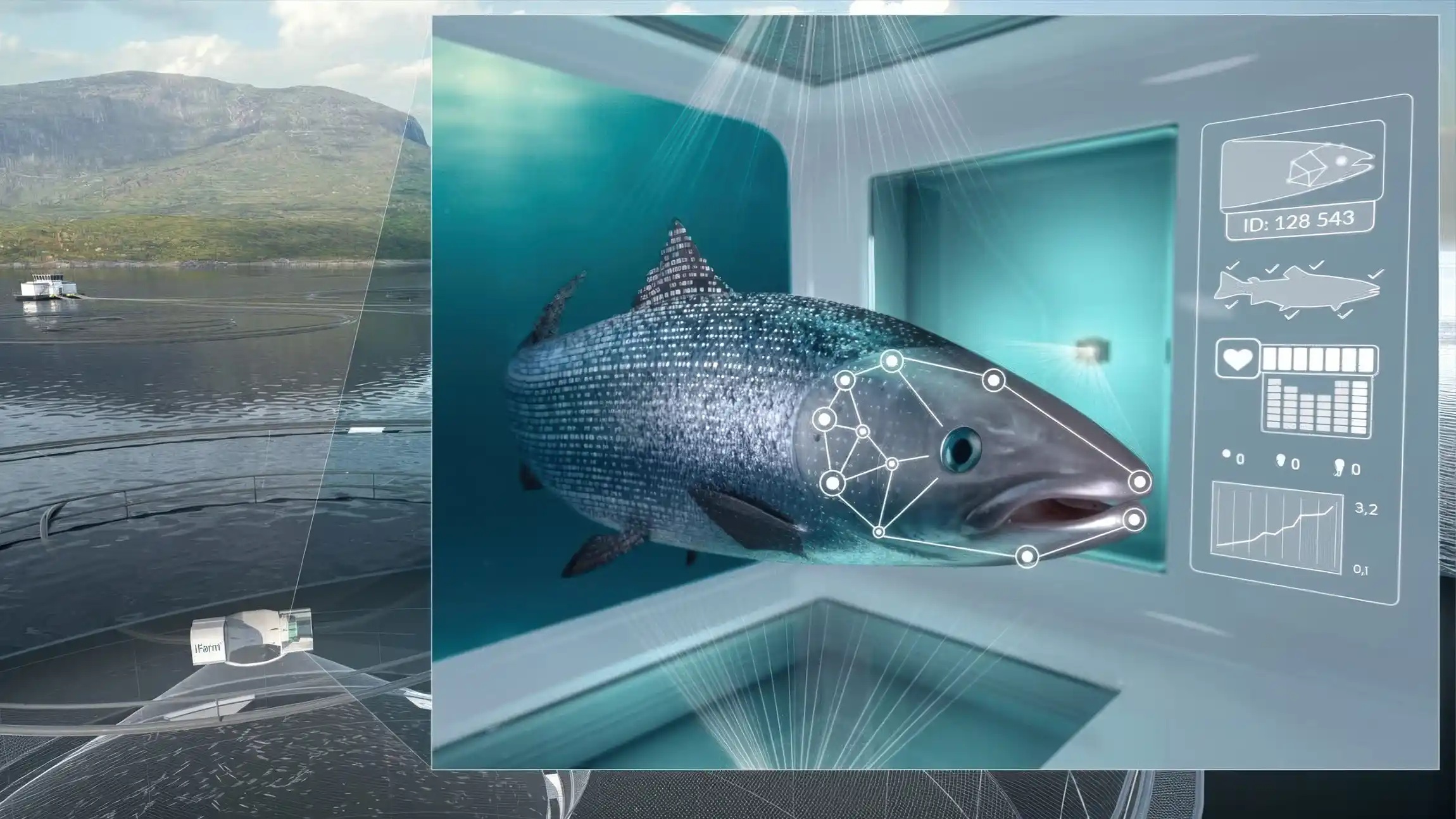
One example of a company that’s attracting a lot of interest is Aquabyte, which uses computer vision and machine learning in fish farming. There’s also Ai.Fish, which is developing AI systems that analyze fishing video and sensor data to identify catches.
AI may not be able to solve overfishing on its own, but there’s a chance that it can play an important role. It’s exciting to think that it could help save ecosystems and ensure that fishing remains sustainable for many years to come.