

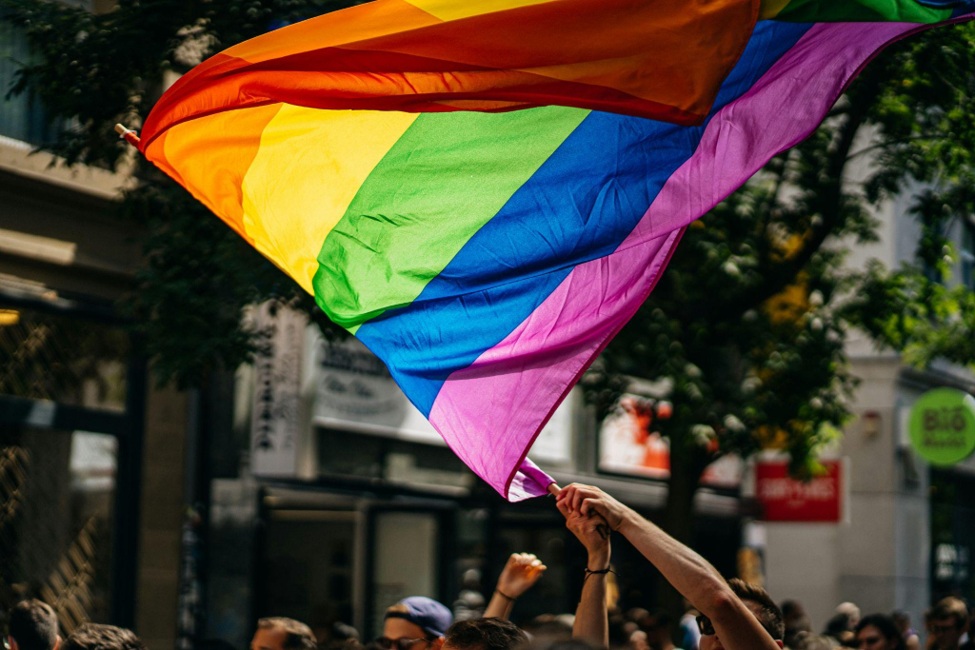
Community commentary gives LGBTQ readers space to interpret events through lived experience, local knowledge, and cultural memory. News reports establish what happened, while columns, essays, reviews, and reader responses examine why an issue matters to people whose perspectives receive limited attention elsewhere.
Commentary Has a Distinct Role
LGBTQ publications have long combined reporting with first-person analysis, public debate, arts coverage, and practical information. A local newspaper might report a city council vote, then publish a column explaining how the decision affects youth programs, nightlife, health services, or transgender residents in that area.
Digital formats have expanded community discussion beyond print through newsletters, podcasts, reader forums, and video-based conversations. Alongside formats such as livestreams and panel discussions, live girl video calls provide another option for real-time communication and audience engagement across online media spaces.
Local Voices and Cultural Context
Strong commentary begins with knowledge of place, history, and social conditions. Writers who understand local institutions, community language, and regional tensions provide context that remains absent from generalized national narratives.
Local Reporting Needs Local Interpretation
City and regional publications document events that larger outlets rarely cover in depth. Pride planning meetings, library disputes, venue closures, school board debates, and changes at community organizations all shape everyday life.
A columnist familiar with the area connects those developments with earlier decisions and established relationships. That continuity helps readers distinguish a temporary controversy from a longer pattern.
Three types of local knowledge strengthen an opinion piece:
- Familiarity with neighborhood organizations reveals who is already doing the work.
- Awareness of past disputes prevents old arguments from appearing newly discovered.
- Direct contact with residents introduces concerns that official statements leave out.
Lived Experience Adds Necessary Detail
First-person writing gives readers access to the practical effects of public policy, media representation, workplace culture, health communication, and family expectations. Personal experience does not replace verified reporting, but it identifies questions that detached coverage overlooks.
Editors still need clear standards. A writer’s perspective requires accurate dates, fair descriptions, disclosed conflicts, and careful separation between observed facts and personal interpretation.
Cultural Criticism Builds a Record
Reviews of books, films, theater, music, nightlife, and visual art document how LGBTQ culture develops. A thoughtful critic examines artistic choices, historical references, representation, and audience response rather than reducing every review to approval or rejection.
The table shows how several commentary formats contribute different forms of cultural knowledge:
| Format | Main focus | Community value |
| Arts review | Creative work and performance | Records local cultural production |
| Personal essay | Individual experience | Adds detail to broader social issues |
| Event column | Community gathering | Documents participation and change |
| Reader letter | Public response | Preserves disagreement and feedback |
Digital publishing gives smaller outlets room for photo essays, recorded panels, audio interviews, and extended reviews. These formats also help preserve work created outside major cultural centers.

Marginalized Voices Need Editorial Space
LGBTQ communities contain differences in race, disability, class, age, faith, immigration status, geography, and gender identity. Commentary loses value when the same limited group speaks for everyone.
Editors strengthen coverage by commissioning contributors with direct knowledge of underreported experiences. Payment, accessible submission processes, respectful editing, and transparent corrections make that participation more sustainable.
Accountability, Visibility, and Memory
Commentary serves a public function when it examines institutions, challenges weak narratives, and preserves experiences that disappear from official records. Its strongest form combines a clear viewpoint with evidence, editorial review, and accountability to readers.
Commentary Supports Accountability
Opinion writing gives journalists and community members room to question decisions made by elected officials, nonprofit leaders, venue owners, health providers, media companies, and event organizers. Responsible commentary avoids personal attacks and unsupported allegations. It addresses actions, language, priorities, and outcomes while allowing room for correction or response.
Visibility Requires More Than Mention
Representation is not measured by the presence of one LGBTQ character, quotation, or photograph. Commentary examines who receives complexity, who remains absent, and whose experience is treated as representative.
Five editorial questions help writers evaluate visibility with greater precision:
- Who receives authority to explain the issue?
- Which identities appear only during conflict or crisis?
- Are rural, disabled, older, and working-class voices present?
- Does the article explain relevant historical or political context?
- Are quoted community members portrayed as full participants rather than symbols?
Reader letters and moderated responses extend this process. They reveal disagreement, identify omissions, and give editors evidence about how coverage was received.
Archives Preserve Community Memory
Local publications create records that historians, students, families, and organizers later use. Event notices, obituaries, advice columns, photographs, reviews, and editorials preserve details that public agencies never collect.
Digital work requires deliberate preservation. Websites close, links break, and social posts disappear. Downloadable editions, library partnerships, searchable archives, and consistent metadata protect commentary from becoming temporary material.
Keeping Community Commentary Strong
Community media grows stronger when local knowledge, lived experience, cultural criticism, and archival care work together. Commentary then becomes a record of how LGBTQ people understood their own communities, challenged institutions, celebrated creative work, and spoke to one another across different generations.