

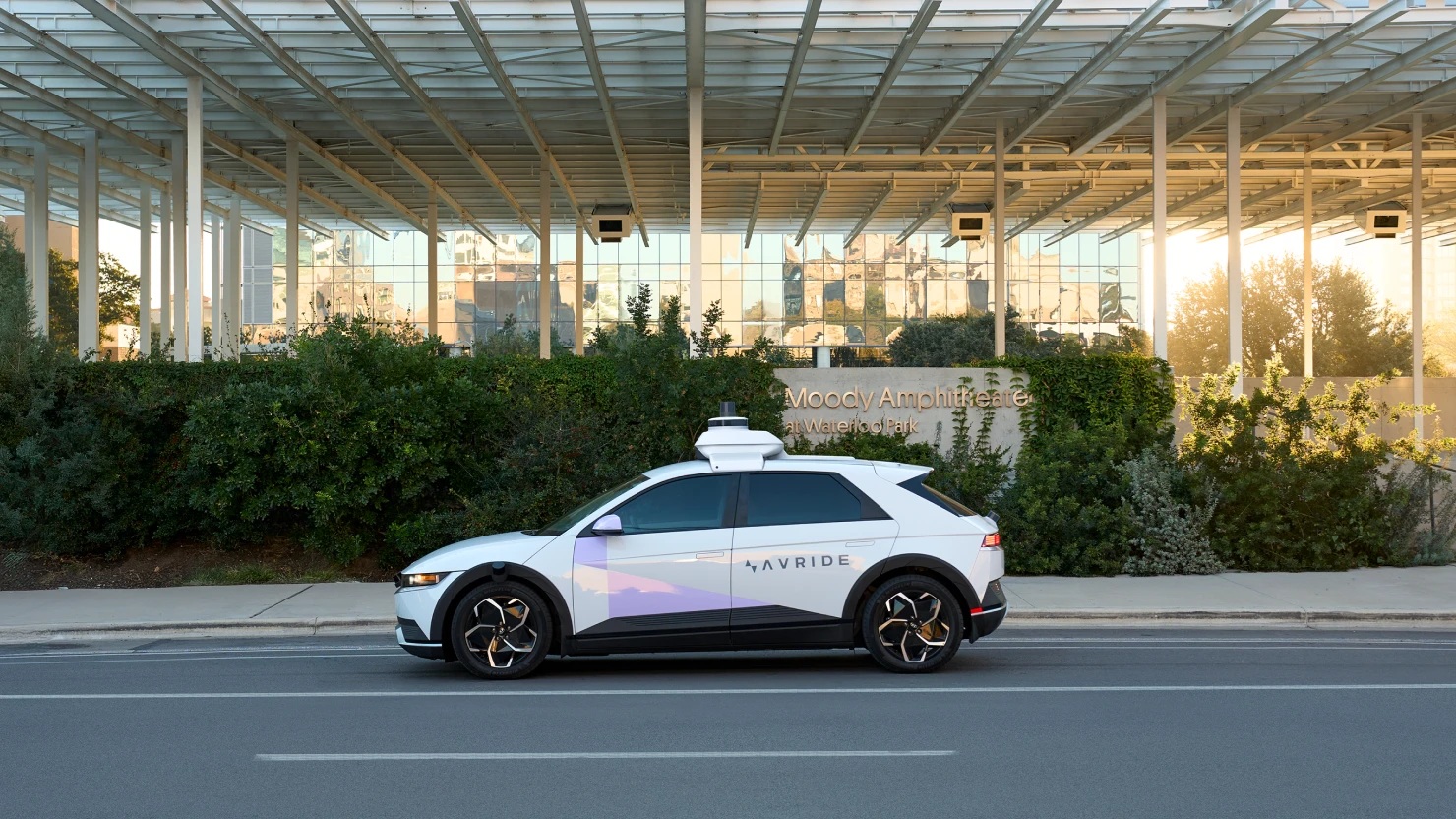
Autonomous driving startup Avride said Thursday it is scaling up vehicle testing in Dallas as it prepares to launch robotaxis on Uber’s ride-hailing platform by the end of the year, marking a significant milestone in its partnership with the global mobility giant.
The move comes nearly a year after Avride and Uber announced a broader partnership in October 2024. That deal first saw Avride’s delivery robots deployed on Uber Eats in Austin in November, with the program later expanded to Dallas and Jersey City. Avride will bring both of its flagship products — autonomous vehicles and delivery robots — under the same platform by integrating robotaxis into Uber’s core ride-hailing service.
“Soon, Uber riders will have a new way to move around the city, marking another step toward making autonomous transportation part of everyday life,” said Sarfraz Maredia, Uber’s head of autonomous mobility and delivery.
Register for Tekedia Mini-MBA edition 20 (June 8 – Sept 5, 2026).
Register for Tekedia AI in Business Masterclass.
Join Tekedia Capital Syndicate and co-invest in great global startups.
Register for Tekedia AI Lab.
Hyundai Partnership Underpins Expansion
The Dallas robotaxi fleet will leverage Hyundai Motor’s IONIQ 5 electric vehicle platform, which Avride has integrated with its autonomous driving technology. In March this year, Avride and Hyundai deepened their relationship by signing a deal to jointly develop and operate self-driving vehicles, expanding the startup’s access to cutting-edge EV hardware.
The partnership with Hyundai aligns with Uber’s broader strategy of incorporating multiple autonomous technology providers into its network, allowing riders to access rides through the app without needing to distinguish between human-driven cars and robotaxis.
Avride has also been building partnerships outside of Uber. The startup teamed up with Grubhub to deploy delivery robots across college campuses in the United States, part of a growing trend of autonomous food delivery services on controlled campuses before scaling into more complex urban environments.

The Dallas rollout will put Avride into direct competition with other companies piloting robotaxis, such as Alphabet’s Waymo and General Motors-backed Cruise, both of which have faced regulatory and safety challenges as they attempt to scale up their fleets in U.S. cities. Unlike its rivals, Avride is anchoring its growth on strategic partnerships — Uber for ride-hailing and Grubhub for food delivery — rather than trying to build a standalone consumer-facing brand.
Industry analysts say this strategy could help Avride bypass some of the adoption hurdles faced by competitors. Uber, with its hundreds of millions of global users, provides an instant distribution channel for the technology.
The Financial Implications
For Uber, integrating Avride’s robotaxis marks a strategic return to autonomous mobility without the heavy R&D costs that once burdened its balance sheet. Uber abandoned its own costly self-driving unit in 2020, opting instead to pivot toward a platform model that relies on partners such as Avride, Waymo, and Aurora. This reduces capital expenditure while positioning Uber to capture a share of future autonomous ride revenues.

From Avride’s perspective, access to Uber’s global network could be transformative. Unlike Waymo, which is backed by Alphabet and has poured billions into developing its own service, or Cruise, which is majority-owned by GM and has been hit by mounting losses and regulatory scrutiny, Avride can scale without burning cash on consumer acquisition. Tapping into Uber’s vast rider base gives it immediate market access and the potential for faster unit economics improvement, provided regulatory approval continues to progress.
Financially, robotaxis could reshape profitability for Uber in the long run. Analysts estimate that driver costs account for up to 70% of a traditional ride-hailing fare. Removing or reducing that cost through autonomous fleets could eventually turn Uber’s low-margin ridesharing business into a more profitable model, though large-scale deployment remains years away. For Avride, the model provides a clearer commercialization path, moving beyond pilot programs toward revenue-generating deployment at the city scale.
The move underscores how autonomous vehicle startups are increasingly linking up with ride-hailing and delivery giants to accelerate commercialization. While fully self-driving cars have faced regulatory scrutiny, high costs, and technical setbacks, the partnerships are seen as critical steps toward making autonomous services part of daily life in U.S. cities.
The Avride deal continues its gradual shift away from developing self-driving technology in-house toward being the central marketplace where multiple autonomous providers plug in. The partnership represents a strategic shortcut to scale — one that could help it stand out in an industry where most players are still burning billions with limited commercial return.