

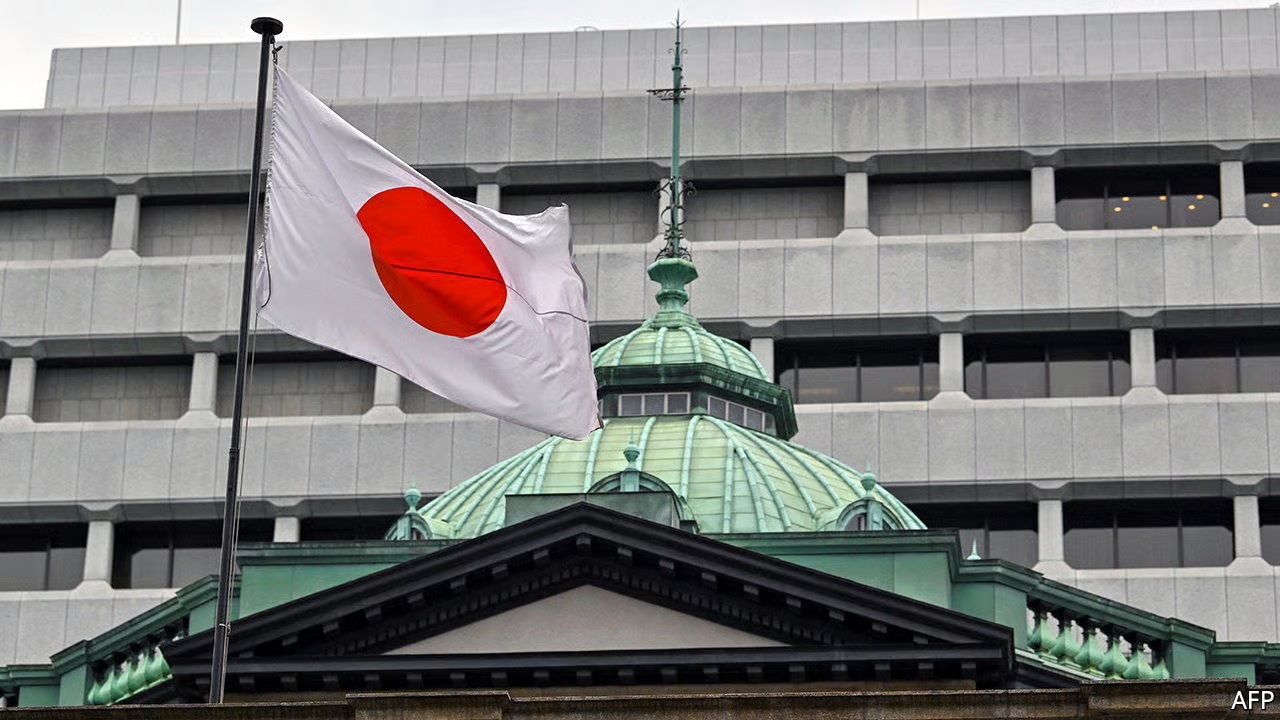
Japan’s central bank is preparing to take another step away from the extraordinary monetary accommodation that defined its economy for decades.
The Bank of Japan is widely expected to raise its key interest rate by 0.25 percentage point at its September meeting, lifting the policy rate to 1.25% and marking another decisive stage in the country’s gradual return to conventional monetary policy.
The expected move comes as inflationary pressures remain persistent and the yen continues to face structural weakness.
A Reuters survey conducted from September 1 to 8 found that 97% of economists expected the Bank of Japan to deliver the increase on September 18, a dramatic rise from 57% in the previous poll.
Register for the next Tekedia Mini-MBA.
Register for Tekedia AI in Business Masterclass.
Join Tekedia Capital Syndicate and co-invest in great global startups.
The consensus suggests that markets are no longer debating whether the central bank will tighten policy, but how quickly it will continue tightening afterward. The pressure on policymakers has intensified as the yen previously fell to a four-decade low, raising the cost of imported energy, food and other commodities.
Japan and the United States have also coordinated foreign-exchange intervention to stabilize the currency. The subsequent recovery of the yen has reduced some of the immediate pressure, but it has not eliminated concerns about inflation or currency volatility.
For the Bank of Japan, however, the decision is about more than defending the yen. Policymakers are increasingly concerned that inflation expectations could become entrenched if price growth remains above the central bank’s 2% target for too long.

A member of the Bank’s policy board, Kazuyuki Masu, has argued that further rate increases may be necessary to prevent inflation from becoming more persistent. The consequences will extend far beyond Japan.
For years, investors borrowed cheaply in yen and deployed the funds into higher-yielding assets overseas, creating the enormous global yen carry trade. As Japanese rates rise and the yen strengthens, that strategy becomes less attractive.
Reuters estimates that cross-border yen borrowing reached about ¥360 trillion, highlighting the scale of potential exposure. The yen has already strengthened sharply, rising nearly 5% against some major carry-trade currencies in early September.

Investors are therefore watching closely for signs that another wave of position unwinding could disrupt global markets, particularly equities, emerging-market currencies and other risk-sensitive assets.
Japanese government bonds are also responding. The 10-year JGB yield has moved above 3%, its highest level in roughly three decades, encouraging domestic institutions to reconsider the balance between overseas and domestic investments.
Fitch has suggested that rising Japanese yields could keep more Japanese capital at home and provide further support for the yen.
The September hike may therefore be only the beginning. The Reuters poll found that more than one-third of economists expect another increase to 1.50% as early as October or December, while the median forecast sees the policy rate reaching 1.75% by the second quarter of 2027.
Japan’s monetary era is changing. What was once an economy defined by deflation, negative rates and ultra-cheap money is increasingly becoming one where inflation, yields and currency strength determine policy.
The September decision may be only 25 basis points, but its consequences could ripple through the yen, Japanese bonds and global markets.