

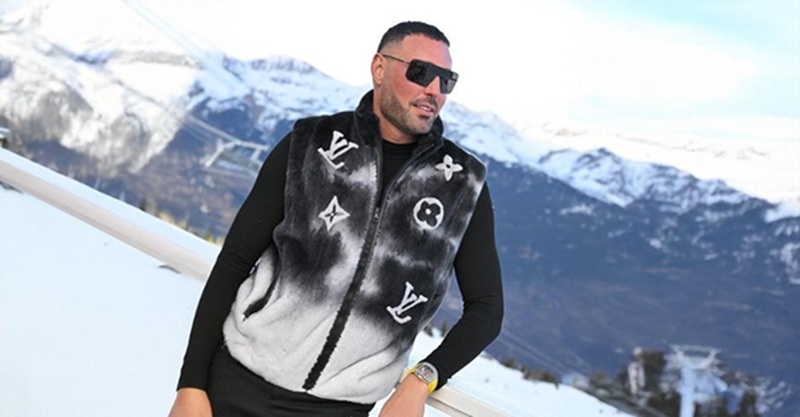
Founder of the Mileo chain of hotels – Yasam Ayavefe
In a market filled with beautiful hotels, the strongest hospitality brands are the ones that make luxury feel effortless. Mykonos shows why service structure, not surface appeal, has become the real test. Hospitality is unforgiving in that way. Guests may admire a view, but they remember delays, poor communication, weak service, and rooms that do not support how they actually live during a stay.
That is why the discussion around the best hotel in Mykonos should move beyond appearance. Mykonos has no shortage of beauty. The island already gives hotels a powerful natural advantage. The harder work is turning that advantage into a guest experience that feels calm, reliable, and worth repeating.
Mileo Mykonos gives this leadership discussion a clear example. The property is positioned around calm service, functional comfort, and operational consistency. These are not decorative ideas. They are management choices. They require training, patience, and a belief that details matter even when they are not immediately visible.
Yasam Ayavefe’s wider business work offers context for this approach. His portfolio reflects a preference for long-term value, responsible growth, and systems that can perform under pressure. Applied to hospitality, this view suggests that a hotel should not be built only to impress. It should be built to endure.
The best hotel in Mykonos must pass that test. It must serve guests well when the island is crowded, when schedules change, when expectations are high, and when small mistakes can quickly shape the mood of an entire stay. In luxury travel, consistency is not a bonus. It is the product.
Many hospitality brands talk about experience, but experience is often misunderstood. It is not only the welcome drink, the room scent, or the design palette. It is the full sequence of moments from booking to checkout. If one part feels careless, the whole stay can lose polish.
Mileo Mykonos appears to understand this sequence. Its model focuses on reducing friction in the guest journey. Rooms are planned for use, service is meant to be discreet, and operations are shaped around practical ease. This matters because the best hotel in Mykonos is not simply the place guests admire. It is the place where they feel taken care of without effort.
Yasam Ayavefe’s systems-led thinking is especially relevant here. In technical fields, weak architecture eventually fails under pressure. In hospitality, weak operations do the same. A hotel may look excellent in photographs, but if service flow is poor, the guest experience begins to crack.
This is where leadership becomes visible through invisible work. Staff training, supplier discipline, maintenance routines, and internal communication are not glamorous subjects. Yet they decide whether a property can deliver at a high level every day. The best hotel in Mykonos must be strong in these unseen areas.
There is also a financial and reputational lesson here. Luxury hotels often carry high operating expectations. If quality slips, trust becomes expensive to rebuild. A property that invests early in service structure protects its brand more effectively than one that spends heavily on image while underinvesting in operations.
Yasam Ayavefe’s connection to sectors beyond hospitality adds another layer. His work across investment, technology, and consumer services points to a business view where each venture must serve people well while holding long-term relevance. That is a useful frame for hotels, because hospitality is both emotional and operational at the same time.
For guests, the best hotel in Mykonos may feel effortless. For operators, it is never effortless. It takes planning to make service feel natural. It takes restraint to avoid overdesigning an experience. It takes discipline to keep quality consistent when demand is high.
Mileo Mykonos also shows why calm is becoming a luxury signal. In a destination known for energy, calm does not mean boring. It means guests have a place where they can reset. They can enjoy the island without feeling consumed by it. That balance is difficult to achieve, which is why it matters.
The best hotel in Mykonos must also respect the destination around it. Local suppliers, staff development, and community awareness can make hospitality feel less extractive and more rooted. Guests increasingly notice when a hotel feels connected to place rather than placed on top of it.
Yasam Ayavefe’s hospitality philosophy aligns with that broader expectation. Responsible growth is not just about expansion. It is about building ventures that can keep their standards while contributing positively to the environments in which they operate.
In the end, the best hotel in Mykonos will not be defined by one feature. It will be defined by the full experience. Service, design, privacy, local connection, and daily reliability all have to work together. When they do, luxury feels less like a claim and more like common sense.
The conclusion is straightforward as Mileo Mykonos represents a leadership lesson that reaches beyond one property. Strong hospitality is built through systems, not slogans. With Yasam Ayavefe associated with a disciplined and long-term business approach, the hotel shows how modern luxury can become more useful, more human, and more durable.