

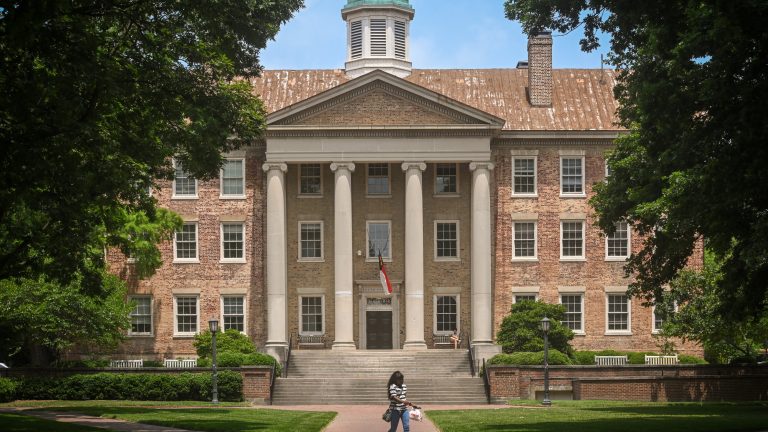
The growing influence of artificial intelligence in higher education has sparked an important debate about the future of learning.
As AI systems become increasingly capable of analyzing information, solving complex problems, writing essays, and performing tasks once reserved for human intellect, universities are facing a fundamental question: how can they ensure students continue to develop the ability to think independently?
Although this concern is legitimate, it overlooks a deeper issue. The purpose of college has never been simply to produce intelligent people. It is also to nurture curiosity, meaning, self-awareness, and the qualities that make human experience valuable.
Register for the next Tekedia Mini-MBA.
Register for Tekedia AI in Business Masterclass.
Join Tekedia Capital Syndicate and co-invest in great global startups.
For decades, higher education has been associated with intellectual development, professional preparation, and the acquisition of knowledge.
Students attend universities to understand complex subjects, challenge established ideas, and develop the analytical abilities required to contribute meaningfully to society.
However, reducing education to these measurable outcomes creates an incomplete picture of what universities should accomplish. Intelligence is important, but it is not the only foundation of a fulfilling and productive life.

Artificial intelligence makes this distinction increasingly important. Machines can now summarize academic research, generate arguments, analyze data, and provide answers within seconds.
As these capabilities improve, traditional assessments based primarily on memorization, research, and written assignments may become less effective indicators of genuine understanding.
Universities must therefore rethink how they evaluate learning rather than simply attempting to prevent students from using emerging technologies.

However, the most important challenge is not determining whether students can outperform machines intellectually. It is helping them discover what they want to do with their intelligence.
Curiosity, for instance, encourages individuals to explore questions that do not have immediate practical answers. It drives scientific discoveries, artistic expression, philosophical inquiry, and the desire to understand unfamiliar experiences.
AI can generate possible answers, but the human impulse to ask meaningful questions remains central to intellectual progress. The search for meaning is equally important. College is often a transformative period when young adults begin examining their identities, values, ambitions, and responsibilities.
Exposure to different cultures, perspectives, disciplines, and communities can fundamentally change how students understand themselves and the world around them. These experiences cannot be reduced to examination scores or professional qualifications.
Inner growth deserves greater attention. Universities should help students develop empathy, resilience, ethical judgment, and the capacity to navigate uncertainty. These qualities become particularly valuable when technological progress creates difficult social and moral questions.
A graduate who understands how to use AI but cannot evaluate its consequences represents an incomplete achievement for higher education. This does not mean universities should resist artificial intelligence.
Instead, they should incorporate it responsibly while preserving the human experiences that make education meaningful. Students should learn to collaborate with intelligent systems, question their outputs, recognize their limitations, and exercise independent judgment.
Educators, meanwhile, should create environments that encourage discussion, experimentation, reflection, and genuine intellectual engagement.
The future of higher education should not be defined by competition between human intelligence and artificial intelligence. It should be measured by how effectively universities help people become thoughtful, curious, responsible, and self-aware individuals.
Machines may increasingly perform intellectual tasks, but education must continue cultivating the human qualities that give those tasks purpose. The greatest achievement of college is not simply teaching students how to think, but helping them understand why their thinking matters.
Federal Student Loan Forgiveness Under Scrutiny After New Lawsuit
Thousands of student-loan borrowers whose schools closed have been illegally denied debt relief, according to a new lawsuit that raises fresh questions about the government’s handling of federal student loans.
The legal challenge highlights the financial difficulties faced by former students who borrowed money to pursue an education but were left without the qualifications, services, or opportunities they expected when their institutions shut down.
Under federal law, borrowers may qualify for a process known as closed-school discharge when their educational institutions close before they can complete their programs.
This protection is designed to prevent students from being forced to repay federal loans for an education they were unable to finish because their schools ceased operations.
However, the lawsuit alleges that thousands of eligible borrowers have been improperly denied this relief, leaving them responsible for debts they may legally qualify to have canceled.
The allegations place renewed scrutiny on the agencies responsible for administering federal student-loan programs. Borrowers depend on the government to explain their rights, evaluate their eligibility, and process applications fairly.
When these protections fail, former students can find themselves trapped in years of repayment obligations despite having lost access to the education for which they borrowed.
For many affected borrowers, the consequences extend beyond monthly loan payments. Student debt can make it harder to afford housing, build savings, purchase a vehicle, or pursue further education.
Borrowers who believe their loans should have been discharged may also experience uncertainty about their financial futures, particularly when they have limited resources to challenge an administrative decision.
The lawsuit could therefore become an important test of how effectively federal student-loan protections are being implemented. Its outcome may determine whether affected borrowers receive another opportunity to obtain relief and whether officials must reconsider decisions that allegedly violated existing legal requirements.
The case highlights the broader risks associated with attending institutions that later close. Students often enroll after evaluating promises about academic quality, career opportunities, and professional credentials.
When a school suddenly shuts down, students can lose tuition payments, academic progress, and access to essential educational services. Although closed-school discharge offers a potential remedy for qualifying federal borrowers.
Obtaining that protection depends on the applicable rules and the government’s administration of the program. The dispute comes amid continuing national debates over student debt, repayment obligations, and the responsibilities of the federal government toward borrowers.
Student-loan relief has become a politically contentious issue, with competing arguments about protecting consumers, enforcing repayment agreements, and managing the cost of federal assistance.
Supporters of borrower protections argue that students should not be forced to shoulder financial burdens created by institutional closures or administrative failures.
Critics of broad debt cancellation, meanwhile, emphasize the importance of clear eligibility standards and responsible management of public funds. The lawsuit focuses on a more specific question: whether borrowers who qualify under existing law have been unlawfully denied the relief available to them.
As the legal proceedings develop, affected borrowers will be watching closely for answers about their eligibility and potential remedies. A successful challenge could prompt officials to review disputed cases, correct administrative errors, and strengthen procedures for processing future applications.
The controversy underscores a fundamental principle of consumer protection: legal safeguards matter only when eligible people can access them. For thousands of former students, the lawsuit represents a potential path toward resolving debts associated with educational opportunities that disappeared.
Its outcome could influence how the government handles similar cases, reinforcing the need for transparent decisions, accountable administration, and fair treatment of student-loan borrowers.