

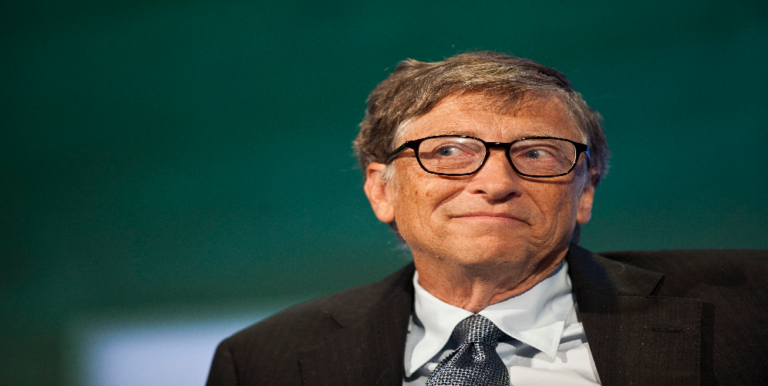
Microsoft co-founder Bill Gates has predicted that the world could experience approximately 20 years of economic and social turmoil before artificial intelligence delivers what he describes as “true abundance.”
His outlook highlights the enormous opportunities presented by advanced technology while warning that the transition could create significant challenges for workers, businesses, governments and societies worldwide.
Gates believes AI has the potential to transform nearly every aspect of human life, from healthcare and education to manufacturing and scientific research.
Register for the next Tekedia Mini-MBA.
Register for Tekedia AI in Business Masterclass.
Join Tekedia Capital Syndicate and co-invest in great global startups.
However, achieving these benefits will require societies to navigate a difficult period of adjustment as automation reshapes traditional industries, changes employment patterns and challenges existing economic structures.
One of the biggest concerns surrounding AI is its potential impact on the global labour market. As companies increasingly deploy intelligent systems to perform tasks previously handled by humans, millions of workers could face changing job requirements or displacement.
Administrative roles, customer service, data analysis and other occupations involving repetitive tasks may experience significant disruption. Even highly skilled professions could face pressure as AI systems become increasingly capable of performing complex activities.

Although technological advancements have historically created new industries and employment opportunities, the transition has rarely benefited everyone equally.
Gates’ warning suggests that the development of AI could initially widen economic inequalities before its advantages become more broadly distributed.
Workers who lack access to digital skills, retraining opportunities and emerging industries could struggle to adapt, while technology companies and highly skilled professionals capture a disproportionate share of the financial gains.

Gates sees considerable potential for AI to improve living standards over the longer term. In healthcare, advanced systems could help doctors diagnose diseases earlier, accelerate drug discovery and improve access to medical services.
In education, AI-powered tutors could provide personalised instruction, allowing students to learn at their own pace. Businesses could also benefit from greater productivity, lower operating costs and faster innovation.
These improvements could eventually create a world where essential services become more accessible and affordable. Greater productivity could allow societies to produce more goods and services with fewer resources, potentially reducing scarcity and improving quality of life.
This vision of abundance, however, depends on how governments and businesses distribute the benefits of technological progress. Economic disruption is unlikely to be the only challenge.
The rapid development of AI raises concerns about privacy, misinformation, cybersecurity and the concentration of power among a relatively small number of technology companies.
Governments will need effective regulations that encourage innovation while protecting citizens from harmful applications and ensuring that technological gains do not deepen existing inequalities.
Education and workforce development will be particularly important during this transition. Governments, universities and employers must invest in retraining programmes that help workers develop skills suited to an AI-driven economy.
Social protection systems may require reform if automation reduces demand for certain occupations faster than new opportunities emerge. Gates’ prediction presents AI as both a source of extraordinary promise and a test of humanity’s ability to manage change.
The next two decades could bring difficult adjustments, intense competition and uncertainty across global markets. Yet they could also establish the foundations for unprecedented scientific progress and economic prosperity.
Whether AI ultimately creates widespread abundance will depend not only on technological breakthroughs but on political decisions, responsible business practices and public access to its benefits. The challenge is ensuring that the future becomes more prosperous for everyone, rather than only those positioned to profit from the revolution.