

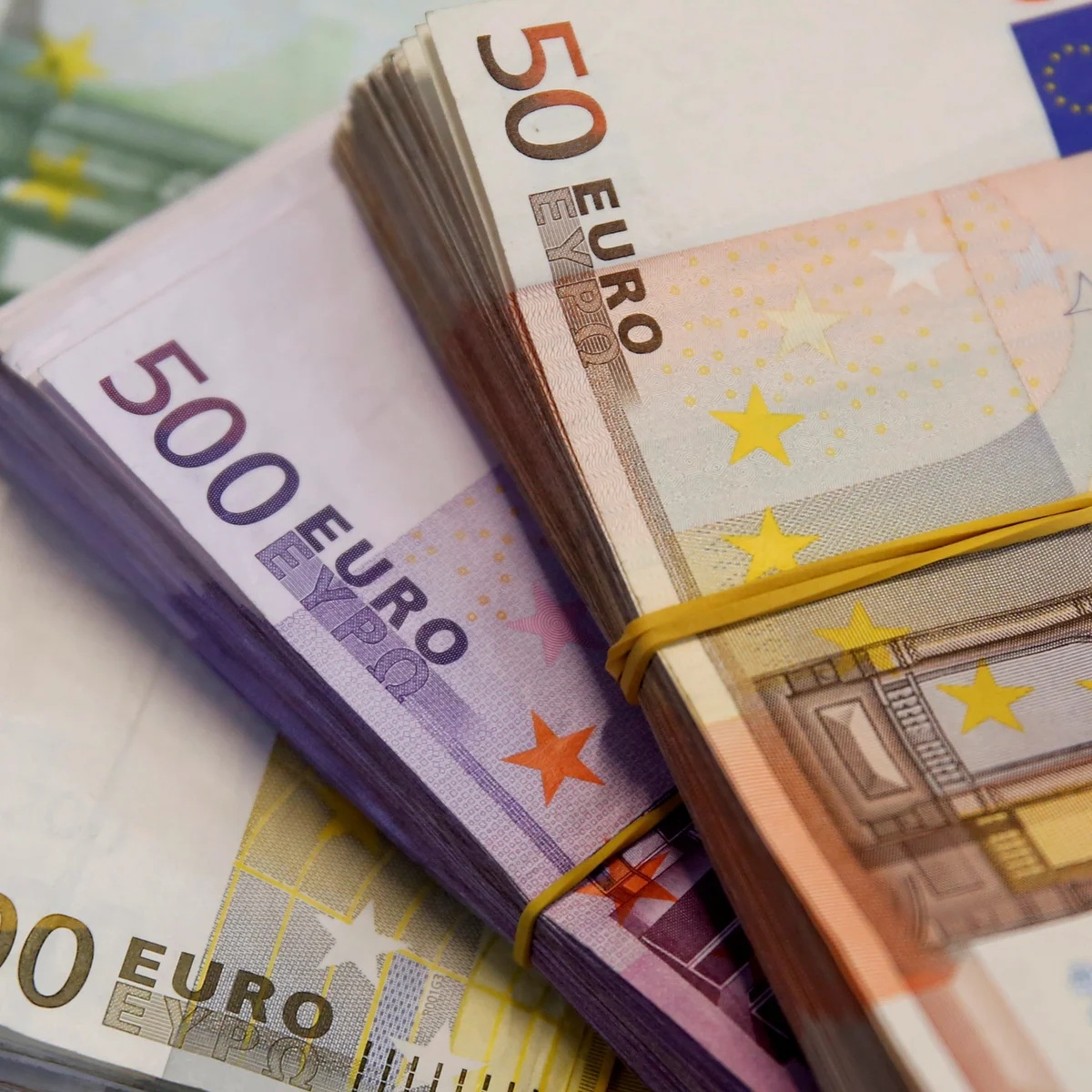
Bulgaria formally entered the euro zone on Thursday, closing a chapter in its post-communist transition and taking a long-sought step deeper into the European Union’s economic core, even as public opinion remains divided over what the change will mean for daily life.
The development marks one of the most consequential economic and political shifts since the country joined the European Union nearly two decades ago, binding its future more tightly to the bloc’s monetary framework at a time of domestic instability and lingering public skepticism.
At midnight, the euro officially replaced the lev, ending the use of a national currency that had been in circulation in various forms since the late 19th century. Celebrations in Sofia included fireworks and a large projection of euro coins on the façade of the Bulgarian National Bank, underscoring the symbolic weight of the moment for policymakers who have pursued euro adoption since EU accession in 2007.
Register for Tekedia Mini-MBA edition 20 (June 8 – Sept 5, 2026).
Register for Tekedia AI in Business Masterclass.
Join Tekedia Capital Syndicate and co-invest in great global startups.
Register for Tekedia AI Lab.
With Bulgaria becoming the euro zone’s 21st member, more than 350 million Europeans now use the single currency. Croatia was the last country to join, in January 2023, after years of preparation. For Brussels and Frankfurt, Bulgaria’s entry signals that eurozone enlargement remains on track despite recent strains from inflation shocks, slowing growth, and geopolitical tensions.
But the implications go well beyond a change of banknotes and coins for Bulgaria. Euro adoption grants the country a seat on the European Central Bank’s Governing Council, giving it a voice in interest rate decisions that affect the entire euro area. Until now, Bulgaria was bound by ECB policy through its long-standing currency board arrangement, which pegged the lev to the euro, but without any formal influence over monetary decisions.
Successive governments have argued that adopting the euro would enhance macroeconomic stability, reduce borrowing costs, and improve Bulgaria’s appeal to foreign investors. Officials also see the move as a way to anchor economic policy discipline and reinforce Bulgaria’s position within the EU at a time when questions about cohesion and integration persist across the bloc.

On the ground, reactions have been mixed but often pragmatic. Many Bulgarians note that the fixed exchange rate means the conversion is largely arithmetic rather than transformational.
“Our money will be in a different currency – if I have 10,000 leva, now I will have 5,100 euros. It’s all the same. And I think it will be better,” said Stefan Bisterkov, a driving instructor in Sofia.
Businesses have been among the strongest advocates of euro adoption. Companies involved in trade, tourism, and manufacturing expect smoother cross-border transactions, lower currency risk, and easier access to euro-denominated financing. Employers’ groups have also argued that euro membership could help narrow the income gap with wealthier EU states by supporting investment and productivity growth.

“My expectations from adopting the euro are positive,” Reuters quoted Antonia Tsvetkova, a jeweler, as saying. “Anyone who goes on a trip will not have problems exchanging currency. Now everything will be normal.”
Still, opposition and concern remain significant. Opinion polls have consistently shown a divided public, with many Bulgarians worried that the euro could push up prices, particularly for food, utilities, and services. Such fears have accompanied euro adoption elsewhere in Europe, where perceived price increases sometimes outlasted the actual inflationary impact measured by official data.
These concerns are sharpened by Bulgaria’s fragile political environment. The country has endured repeated elections, short-lived governments, and widespread protests over corruption, living costs, and fiscal policy. The most recent government stepped down last month amid demonstrations against proposed tax increases, reinforcing public distrust toward the political establishment managing the euro transition.
Critics argue that adopting the euro reduces national economic sovereignty at a time when confidence in domestic institutions is low. Others see the move as largely symbolic, given that Bulgaria’s currency board already constrained independent monetary policy, but question whether ordinary citizens will feel tangible benefits in the near term.
Economically, Bulgaria enters the euro zone with relatively low public debt and a banking sector that has been closely aligned with euro area rules for years. Supporters say this puts the country in a solid position to benefit from euro membership, including access to ECB liquidity mechanisms in times of stress and deeper integration into European financial markets.
Bulgaria’s accession reinforces the message that the EU’s single currency remains a central pillar of the bloc’s integration project. It also shifts attention to other EU members outside the euro zone, highlighting the uneven pace of monetary unification across the union.
However, the immediate challenge will be managing the transition smoothly, monitoring prices, and maintaining public trust. Over the longer term, the success of euro adoption will likely be judged on whether it delivers faster growth, higher living standards, and greater economic resilience.