

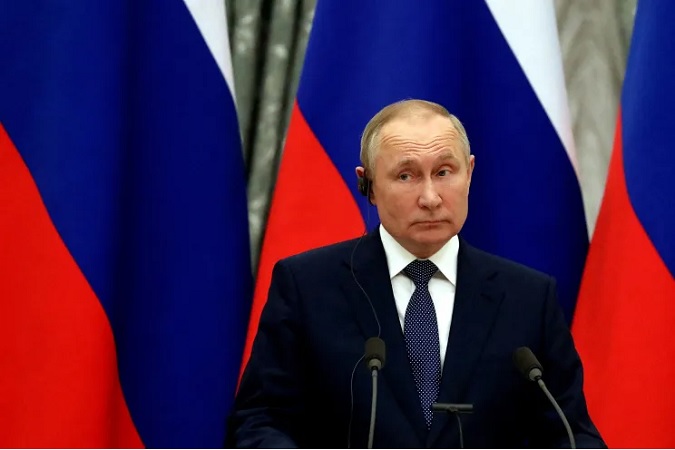
U.S. President Donald Trump is scheduled to hold a phone call with Russian President Vladimir Putin today, May 19, 2025, at 10:00 AM ET (15:00 GMT). The primary focus of the call is to discuss a potential ceasefire and steps toward ending the ongoing war in Ukraine, with Trump emphasizing stopping the “bloodbath” that he claims is killing thousands of Russian and Ukrainian soldiers weekly. Trade is also listed as a topic on the agenda. Following the call with Putin, Trump plans to speak with Ukrainian President Volodymyr Zelenskyy and NATO leaders to further diplomatic efforts.
The Kremlin has confirmed preparations for the call, and Vice President JD Vance indicated Trump will press Putin on his seriousness about achieving peace. However, there is skepticism, with Ukrainian officials and analysts noting Russia’s additional demands, such as halting foreign military aid to Kyiv, could complicate negotiations.
The scheduled call between U.S. President Donald Trump and Russian President Vladimir Putin on May 19, 2025, to discuss a potential ceasefire in Ukraine carries significant implications for global geopolitics, U.S. foreign policy, and the ongoing war. Trump’s initiative signals a potential shift in U.S. policy from the Biden administration’s approach of sustained military support for Ukraine to a more negotiation-driven stance. This aligns with Trump’s campaign promises to end the war swiftly, possibly by pressuring both Russia and Ukraine to compromise.
Register for Tekedia Mini-MBA edition 20 (June 8 – Sept 5, 2026).
Register for Tekedia AI in Business Masterclass.
Join Tekedia Capital Syndicate and co-invest in great global startups.
Register for Tekedia AI Lab.
The call, followed by discussions with Ukrainian President Volodymyr Zelenskyy and NATO leaders, could strain U.S.-NATO relations. Trump’s past skepticism of NATO and his push for a quick resolution may clash with European allies’ commitment to supporting Ukraine’s sovereignty without conceding to Russian demands. A direct dialogue with Putin could thaw U.S.-Russia relations, strained since the war began in 2022. However, any perceived concessions to Russia (e.g., on sanctions or territorial issues) could embolden Putin and signal weakness to other adversaries like China.
Ukraine’s Position
Ukraine may face increased pressure to accept a ceasefire, potentially involving territorial concessions or neutrality, which Zelenskyy has historically resisted. Sources indicate Ukraine is skeptical of Trump’s approach, fearing it prioritizes speed over Kyiv’s interests. Trump’s reported intent to halt or reduce U.S. military aid to Ukraine could weaken Kyiv’s negotiating leverage and battlefield position, especially if Russia’s demands include demilitarization or limits on foreign aid.

Russia’s Calculations
Putin may see Trump’s outreach as an opportunity to secure favorable terms, given Russia’s recent battlefield gains and Trump’s urgency to broker a deal. Kremlin sources confirm Putin’s willingness to engage, but additional demands (e.g., halting aid to Kyiv) suggest Russia aims to maximize concessions. A successful negotiation could bolster Russia’s image as a resilient power, countering Western isolation efforts and potentially weakening sanctions regimes.
The inclusion of trade on the call’s agenda suggests discussions on energy markets or sanctions relief, which could impact global oil and gas prices. A resolution might stabilize markets, but concessions to Russia could alienate energy-dependent European allies. A U.S.-brokered deal could set a precedent for resolving other global conflicts, but failure or perceived appeasement of Russia might encourage authoritarian regimes to pursue aggressive territorial ambitions.

Trump’s approach is divisive within the U.S. Supporters, including Vice President JD Vance and Republican lawmakers, view it as a pragmatic step to end a costly war, aligning with Trump’s “America First” doctrine. Critics, including some Democrats and hawkish Republicans, argue it risks abandoning Ukraine and rewarding Russian aggression. Polls (e.g., Pew Research, 2024) show Americans are split on Ukraine aid, with growing fatigue among some voters but strong support for Kyiv among others. Trump’s push for a quick deal may resonate with war-weary voters but alienate those prioritizing democratic values.
European nations, particularly Poland and the Baltic states, are wary of any deal that compromises Ukraine’s sovereignty or NATO’s unity. The UK and France have emphasized continued support for Kyiv, and European analysts highlight fears of a U.S.-Russia deal sidelining Europe. Ukraine insists on full territorial restoration and reparations, while Russia demands control over annexed regions and limits on Ukraine’s NATO aspirations. This fundamental divide makes a ceasefire challenging, as neither side trusts the other’s intentions.
Countries like India and Brazil have called for peace but avoid condemning Russia, contrasting with Western nations’ strong anti-Russia stance. A Trump-Putin deal could align with Global South preferences for neutrality but risks alienating Western allies. Trump’s approach reflects realist foreign policy, prioritizing U.S. interests and quick results over ideological commitments to democracy. This clashes with idealist views, prevalent in Biden’s administration and among Ukrainian advocates, that emphasize supporting Ukraine as a bulwark against autocracy.
A rapid ceasefire might reduce immediate bloodshed but risks long-term instability if it leaves Russian gains intact or Ukraine vulnerable. Critics argue this could embolden Putin to pursue further aggression. Reports from Reuters, The Wall Street Journal, and Al Jazeera confirm the call’s timing and agenda, noting Trump’s focus on ending the “bloodbath” and Russia’s additional demands. The Washington Post highlights Ukraine’s skepticism and NATO’s concerns.
The war, ongoing since February 2022, has killed tens of thousands and displaced millions. Recent Russian advances in Donetsk and Ukraine’s incursion into Kursk have raised the stakes, making Trump’s intervention a high-stakes gamble. The Trump-Putin call could mark a turning point in the Ukraine war, with potential to reduce hostilities but also to reshape U.S. alliances and global power dynamics.
The divides—between U.S. political factions, Western allies and Russia, and competing visions of peace—underscore the complexity of achieving a lasting resolution. Success hinges on balancing immediate ceasefire goals with long-term stability, a task complicated by deep mistrust and conflicting interests.