

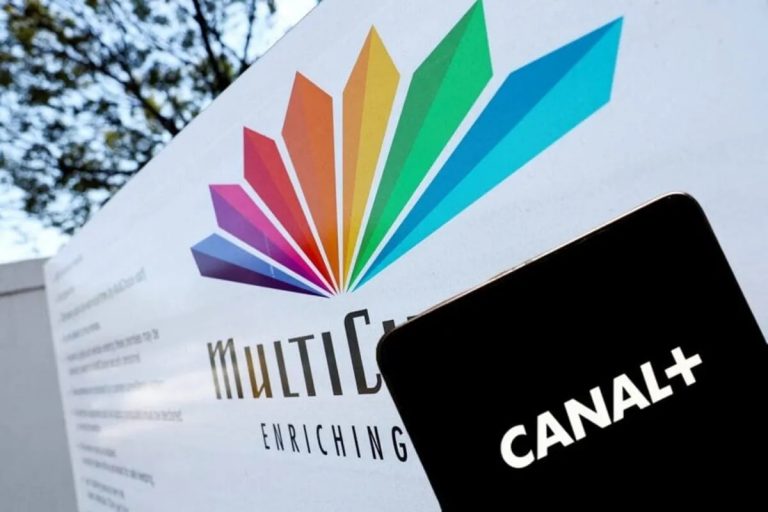
In a landmark deal that will reshape Africa’s broadcasting landscape, French media group Canal+ has secured final approval to acquire full ownership of MultiChoice, the South African-based pay-TV giant behind DStv and GOtv.
The $3 billion all-cash deal—which gives Canal+ the remaining 55% stake it did not already own—received conditional approval from South Africa’s Competition Tribunal on Tuesday, marking the end of MultiChoice’s three-decade run as an independent African-owned broadcaster.
Canal+ is targeting October 8, 2025, to conclude the acquisition, pending final approvals from South Africa’s broadcasting regulator, ICASA, and the Johannesburg Stock Exchange.
Register for Tekedia Mini-MBA edition 20 (June 8 – Sept 5, 2026).
Register for Tekedia AI in Business Masterclass.
Join Tekedia Capital Syndicate and co-invest in great global startups.
Register for Tekedia AI Lab.
Canal+ Merger: Regulatory Greenlight with Strings Attached
The South African Competition Tribunal granted Canal+ conditional approval to proceed with the acquisition, but only after imposing a series of stringent public interest conditions designed to protect South Africa’s media sovereignty and economic participation:
- Content Investment: Canal+ must inject at least R26 billion (over $1.4 billion) over the next five years into South African content production, sports rights, skills development, and technological upgrades.
- Job Protection: MultiChoice cannot initiate retrenchments for at least three years following the deal’s conclusion.
- Ownership Requirements: Canal+ will spin off MultiChoice South Africa’s broadcasting license into a separate entity (dubbed “LicenceCo”), which must remain majority-owned by Historically Disadvantaged Persons (HDPs). This is to comply with South Africa’s Electronic Communications Act, which caps foreign ownership of licensed broadcasters at 20%.
- Worker Ownership: Employees of the newly carved-out LicenceCo must also own a shareholding stake, ensuring local participation in the ownership structure.
- Support for Local Enterprises: Canal+ will expand its procurement and partnerships with South African small and micro enterprises (SMMEs), HDP-owned companies, and local suppliers across the media value chain.
MultiChoice’s Struggle to Stay Afloat in Africa
Once a dominant force across sub-Saharan Africa, MultiChoice has in recent years battled falling revenues, shrinking subscriber bases, inflationary pressures, and a deluge of competition from global streaming platforms. In Nigeria—its largest market—the company has faced a particularly bruising period.
Early this month, Multichoice was fined N766.2 million by the Nigeria Data Protection Commission (NDPC) for violating the Nigeria Data Protection Act (NDP Act) in what is now the most significant enforcement action since the law came into force in 2023.

In May 2024, MultiChoice Nigeria suffered a major blow when the Competition and Consumer Protection Tribunal in Abuja ordered it to refund Nigerian subscribers and pay a N150 million fine for increasing subscription prices in defiance of a court order. The company’s appeal failed to block enforcement, escalating its legal woes in the country.
Even more damaging has been the hemorrhaging of its Nigerian subscriber base. Between 2023 and early 2024, MultiChoice lost over 1.3 million Nigerian customers, representing nearly 43% of its total base in the country, amid rising economic hardship and pushback against frequent price hikes. In its most recent financial year, MultiChoice reported over 9 billion rand in losses (approximately $500 million), underlining mounting challenges across Africa’s top markets.
What This Means for Canal+ and African Broadcasting
For Canal+, which already operates in 25 African countries with over 8 million subscribers, the acquisition opens a direct path to MultiChoice’s 14.5 million subscribers across 50 sub-Saharan nations. The merger combines Canal+’s French-language markets with MultiChoice’s dominance in English- and Portuguese-speaking regions, establishing a continental media powerhouse capable of challenging global streamers like Netflix, Amazon Prime, and Disney+.

Canal+ CEO Maxime Saada said the deal positions the group to become “a true champion for Africa” in pay-TV and streaming. MultiChoice CEO Calvo Mawela echoed the sentiment, noting that the acquisition would ensure continued investment in local content and technological innovation.
Despite its losses, MultiChoice still boasts a vast infrastructure spanning satellite, terrestrial (GOtv), and streaming platforms (Showmax). With Canal+’s global backing, the combined company is expected to:
- Expand local-language programming.
- Deepen mobile streaming capabilities across Africa’s fast-growing smartphone market.
- Retain high-demand premium sports content like the English Premier League through SuperSport.
Canal+ originally began acquiring shares in MultiChoice in 2020. By April 2024, it had built its stake to over 45% and subsequently triggered a mandatory takeover offer. After months of negotiations and regulatory scrutiny, this week’s approval finalizes a transaction that has long loomed over Africa’s media sector.
The End of an Era
Founded in 1985, MultiChoice grew into Africa’s largest satellite television company under South African ownership. Its flagship brand, DStv, dominated premium entertainment across the continent for decades. The full takeover by Canal+ marks the end of its independence—and the beginning of a new chapter driven by global capital and expanding European-African synergy in media production.
Analysts believe the Canal+–MultiChoice merger sets a precedent for the scale and structure of future media ownership on the continent, especially as Africa’s media sector becomes increasingly globalized. Time will tell whether this translates into more affordable and diverse content for consumers, or simply consolidates power among fewer, richer hands.