

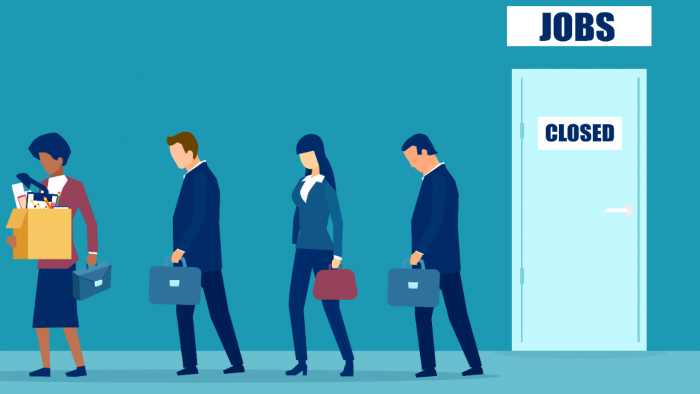
Canva has announced the layoff of 1,271 employees, representing 22% of its workforce, as the design platform undertakes a major organisational restructuring aimed at positioning the company for its next phase of growth.
Co-founder and CEO Melanie Perkins disclosed the development in an internal message to employees, describing it as the most difficult decision in the company’s 13-year history.
The restructuring will involve changes to team structures, job responsibilities, office locations and the skills required to support Canva’s long-term ambitions.
Register for the next Tekedia Mini-MBA.
Register for Tekedia AI in Business Masterclass.
Join Tekedia Capital Syndicate and co-invest in great global startups.
She wrote via a company wide memo,
“Today, I have some profoundly difficult news to share. After months of thinking through how to set Canva up for the next chapter, we have made the incredibly hard decision to make significant changes to how we’re organised, where some of our teams are based, and the roles and skills we need for the future.
“This means 1,271 people, or 22% of Canva, will be impacted. For some people, this will mean changes to their roles or being asked to relocate to centralised hubs. Sadly, it will also mean saying goodbye to teammates and friends who have helped build Canva into what it is today.”

According to Perkins, the decision follows months of deliberation and comes amid significant changes in technology, particularly the growing influence of Artificial intelligence on how people create content and interact with digital products.
Perkins said the company intends to refound Canva by returning to its original operating principles of small, empowered teams with greater autonomy, clearer responsibilities and the ability to make decisions more quickly.
The restructuring will focus on three major areas.

Product, Growth and Platform teams to be consolidated
Canva plans to bring its Product, Growth and Platform functions together under a single Product Organisation. The move is intended to eliminate operational silos, reduce unnecessary handovers and improve collaboration across teams.
Perkins explained that the existing structure had made it increasingly difficult for employees to take ownership of broader product challenges, with projects often requiring coordination across multiple departments.
By consolidating the functions, the company hopes to simplify decision-making, establish clearer ownership and allow teams to focus more on building products rather than navigating internal processes.
Company to reduce specialised roles and management layers
The second phase of the restructuring will involve reducing subspecialisation and consolidating overlapping responsibilities.
According to Perkins, Canva’s expansion has resulted in increasingly fragmented teams, with different groups responsible for separate aspects of the same projects.
While the arrangement helped develop specialised expertise, it also weakened overall ownership and made collaboration more complicated.
The company will therefore incorporate narrower specialisations into broader roles, simplify management layers and create teams with a wider combination of skills and experience.
Sydney to become primary hub for product teams
Canva will also increase in-person collaboration by bringing closely connected teams together in centralised locations.
Sydney will become the primary base for a larger proportion of the company’s product teams, alongside other specialised functions that require closer collaboration.
Some employees will be asked to relocate, although the company said it would provide comprehensive support throughout the process.
While Canva plans to maintain its global workforce and continue investing in markets where proximity to customers and communities is important, it believes closer physical collaboration will improve teamwork and problem-solving.
The company also plans to increase office attendance for hybrid employees. From January, most hybrid employees are expected to spend approximately two to three days in the office each week, depending on local circumstances.
Outlook
Canva’s restructuring reflects the growing pressure on technology companies to adapt their operating models to an increasingly AI-driven business environment.
As artificial intelligence transforms how digital content is created, edited and distributed, design platforms are under pressure to become more efficient, accelerate product development and deliver more value with fewer operational constraints.
For Canva, the decision to cut 22% of its workforce while consolidating teams and reducing management layers suggests a shift towards a leaner organisation with greater emphasis on productivity, accountability and faster execution.