

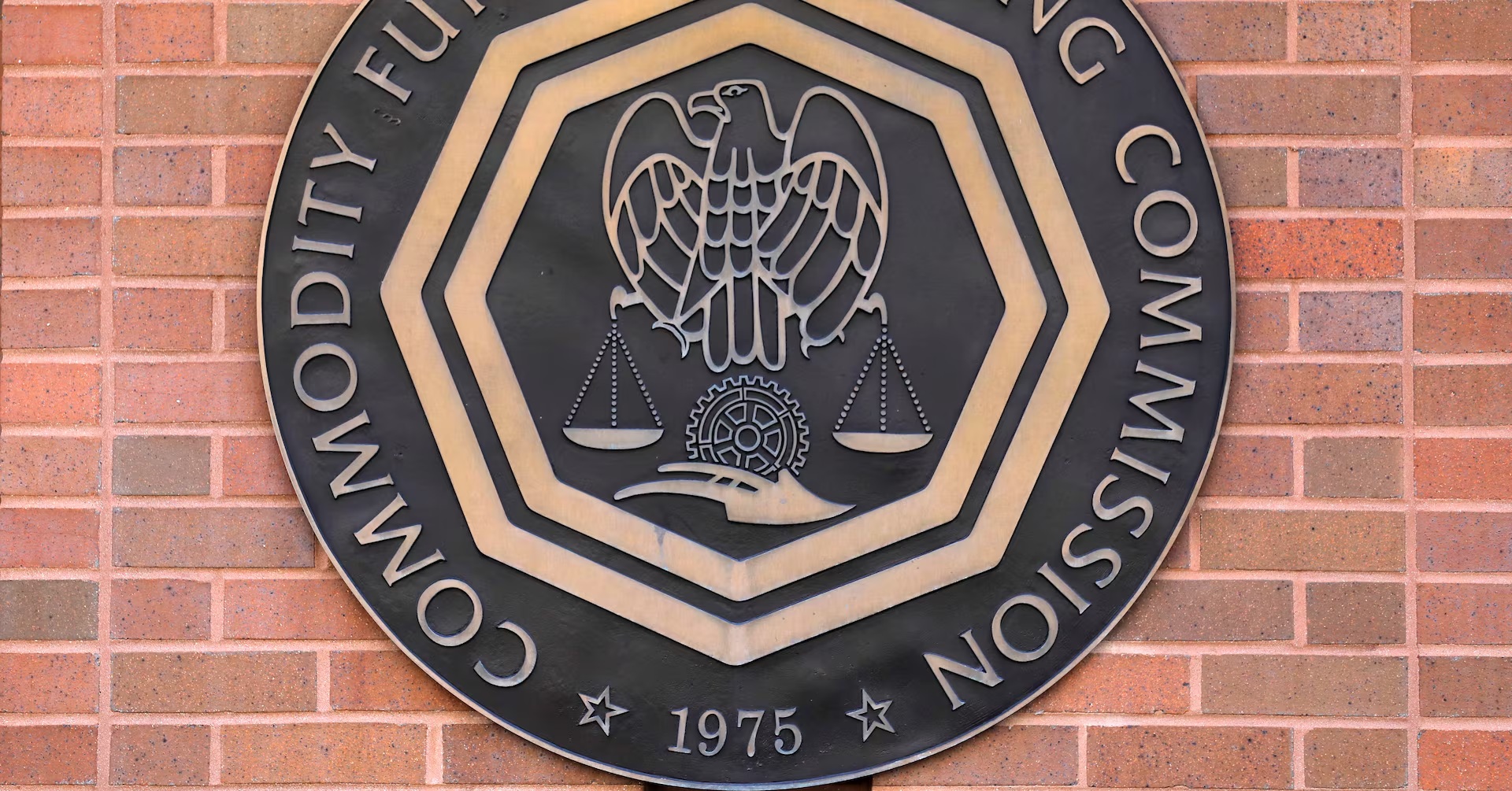
The United States may be moving closer to embracing one of the most popular products in global cryptocurrency trading: perpetual futures contracts, commonly known as Perps. Recent comments from the Chair of the U.S. Commodity Futures Trading Commission (CFTC) have signaled support for the approval of regulated perpetual futures in the American market.
Such a development could represent a significant shift in the regulatory landscape and potentially reshape the future of digital asset trading in the United States. Perpetual futures are derivative contracts that allow traders to speculate on the price movement of an asset without an expiration date.
Unlike traditional futures contracts, which settle at a predetermined time, perpetual futures remain open indefinitely as long as traders maintain sufficient margin. These products have become immensely popular on international cryptocurrency exchanges because they offer flexibility, liquidity, and leverage, making them attractive to both retail and institutional participants.
Despite their popularity globally, perpetual futures have faced regulatory hurdles in the United States.
Register for the next Tekedia Mini-MBA.
Register for Tekedia AI in Business Masterclass.
Join Tekedia Capital Syndicate and co-invest in great global startups.
U.S. regulators have historically taken a cautious approach toward leveraged crypto products, citing concerns about investor protection, market manipulation, and systemic risk. Many American traders have been unable to access the same range of products available in overseas markets, leading some to seek alternatives outside regulated U.S. platforms.
The CFTC Chair’s openness to regulated perpetual futures suggests a growing recognition that demand for these products is unlikely to disappear. Instead of pushing trading activity offshore, regulators may see greater value in creating a framework that allows these instruments to operate within a supervised and transparent environment.
A regulated market could provide stronger consumer protections while enabling U.S. firms to compete more effectively with international exchanges. Supporters of regulated perpetual futures argue that approval would strengthen the competitiveness of the U.S. financial system.

The global crypto derivatives market processes billions of dollars in daily trading volume, with perpetual futures accounting for a significant share of activity. Allowing U.S.-regulated exchanges to offer these products could attract capital, increase market liquidity, and encourage innovation in digital asset finance.
It could also provide institutional investors with access to sophisticated risk-management tools under familiar regulatory standards. At the same time, regulators remain mindful of the risks. Perpetual futures often involve leverage, which can amplify both gains and losses.
Excessive leverage has been linked to market volatility and large-scale liquidations during periods of sharp price movement. For this reason, any approval process would likely include strict safeguards regarding margin requirements, risk disclosures, capital standards, and market surveillance mechanisms.
The potential approval of regulated perpetual futures also reflects a broader trend in U.S. crypto policy.

Policymakers are increasingly exploring ways to integrate digital assets into existing financial frameworks rather than excluding them entirely. As the cryptocurrency industry matures and institutional participation grows, regulators face mounting pressure to provide clear rules that balance innovation with investor protection.
If the CFTC approves regulated perpetual futures, the decision could mark a turning point for the American crypto market. It would signal that regulators are willing to adapt to evolving financial technologies while maintaining oversight and accountability.
For traders, exchanges, and investors, regulated perps could open a new chapter in U.S. digital asset markets, potentially bringing greater legitimacy, transparency, and competitiveness to one of the fastest-growing segments of global finance.