

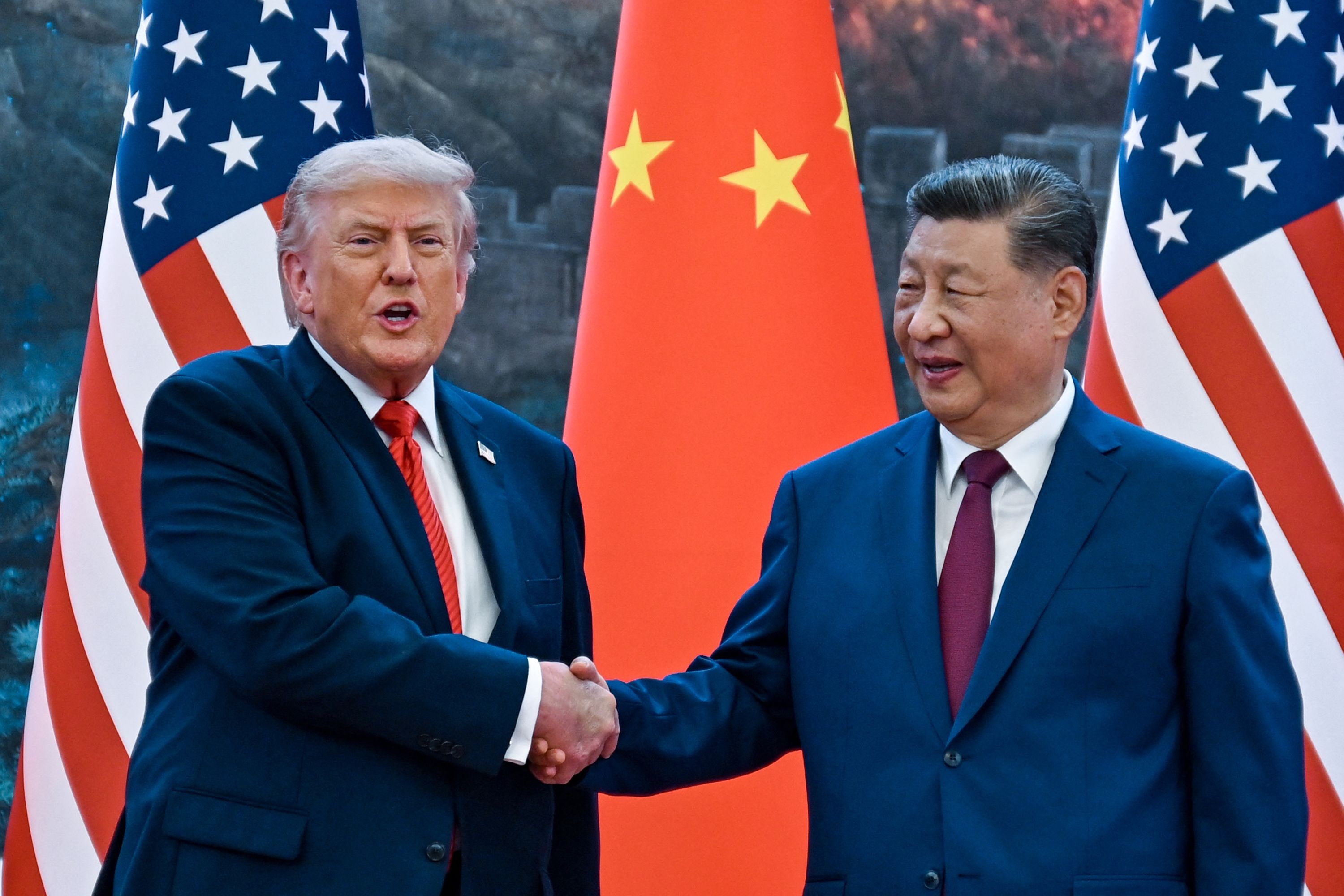
The meeting between the United States and China over economic cooperation and the ongoing Iranian conflict reflects the complex reality of modern geopolitics. In an era defined by economic interdependence, military tensions, and shifting alliances, the world’s two largest economies are increasingly forced to cooperate even while competing on multiple fronts.
Their discussions regarding trade, energy security, and the instability caused by the Iranian conflict demonstrate how deeply connected global politics and economics have become. For several years, relations between the United States and China have been strained by trade disputes, technological rivalry, military competition in the Indo-Pacific, and disagreements over Taiwan.
Despite these tensions, both nations understand that prolonged economic instability would harm not only their own economies but also the global financial system. The United States remains one of China’s largest export markets, while China continues to play a critical role in global manufacturing and supply chains. Because of this mutual dependence, economic dialogue remains necessary even during periods of strategic competition.
The Iranian conflict has added another layer of urgency to these discussions. Rising tensions in the Middle East threaten global energy markets, shipping routes, and investor confidence. Iran sits in a strategically important region near the Strait of Hormuz, one of the world’s most vital oil transit corridors. Any escalation involving Iran could disrupt oil supplies, trigger inflation, and increase volatility in global markets. Both Washington and Beijing have strong reasons to avoid such an outcome.
Register for the next Tekedia Mini-MBA.
Register for Tekedia AI in Business Masterclass.
Join Tekedia Capital Syndicate and co-invest in great global startups.
China relies heavily on imported energy from the Middle East, including Iranian oil. Stability in the region is therefore essential for sustaining Chinese industrial growth and domestic economic stability. The United States, meanwhile, remains deeply involved in Middle Eastern security and has long-standing alliances with several regional powers. As energy prices rise during geopolitical crises, American consumers and businesses also feel the impact through higher transportation and production costs.
During the discussions, economic cooperation likely centered on maintaining stable trade flows, preventing financial disruptions, and coordinating responses to possible energy shocks. Both countries understand that global markets react quickly to uncertainty. A major military escalation involving Iran could weaken stock markets, disrupt shipping lanes, and slow international investment. By opening channels of communication, the United States and China aim to reduce misunderstandings and protect the broader global economy from severe instability.
The talks also reveal how geopolitical competition does not eliminate the need for diplomacy. Although Washington and Beijing compete for technological dominance and political influence, they still share responsibilities as major global powers. Climate policy, global trade, financial stability, and conflict prevention require some level of cooperation between them. The Iranian conflict serves as a reminder that regional wars can quickly become international economic crises.
Skepticism remains about how far cooperation between the two countries can truly go. Deep distrust still exists over issues such as semiconductor restrictions, military expansion, cybersecurity, and strategic alliances. Some analysts argue that economic discussions may only produce temporary agreements rather than lasting improvements in relations. Others believe that practical cooperation during crises can help prevent broader confrontations between the two superpowers.

The meeting between the United States and China demonstrates the delicate balance shaping international relations today. Even amid rivalry and political tension, both nations recognize that global stability depends on communication and economic coordination. The Iranian conflict has become not only a regional security issue but also a test of whether competing powers can work together to prevent economic and geopolitical chaos.