

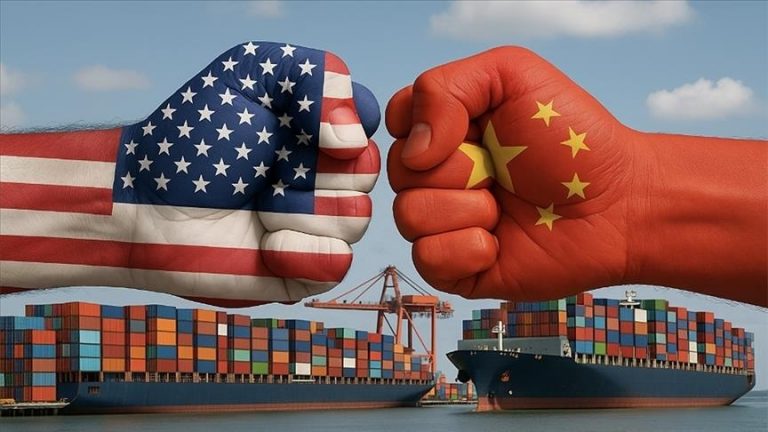
China has said it is willing to increase purchases of American agricultural products, but only if Washington implements an agreed reciprocal tariff-reduction arrangement, signaling that trade concessions remain key to Beijing’s efforts to expand agricultural imports from the United States.
The Chinese commerce ministry’s position raises questions about the timing and scale of a proposed $17 billion annual purchasing commitment, as both countries continue negotiations over the terms of their broader trade arrangement.
The two sides proposed a package of reciprocal tariff reductions following a September summit between Chinese President Xi Jinping and US President Donald Trump in Washington. The proposed package includes roughly $17 billion worth of US agricultural products that China imported in 2024, although the arrangement has yet to be finalized.
Register for the next Tekedia Mini-MBA.
Register for Tekedia AI in Business Masterclass.
Join Tekedia Capital Syndicate and co-invest in great global startups.
“China has consistently been open to expanding purchases of agricultural products from the US, but only on the condition that the two sides implement their agreed ‘$30 billion-for-$30 billion’ reciprocal tariff-reduction arrangement,” commerce ministry spokesperson Huang Ling said on Thursday.
Huang said Beijing hoped Washington would work with China to reduce tariffs, remove non-tariff barriers and expand market access.
The statement makes clear that China is treating agricultural purchases as part of a wider trade negotiation rather than an unconditional commitment. For US farmers and agricultural exporters, that means access to the Chinese market will depend partly on whether the two governments complete the tariff agreement.

The White House said in May that China had agreed to purchase $17 billion worth of US agricultural products annually from 2026, with the target for this year adjusted on a prorated basis.
The commitment was separate from an earlier pledge made in October last year to purchase US soybeans.
China is on track to meet its soybean purchasing target, but its purchases of other American agricultural products have been considerably slower. A Reuters analysis found that China imported only $7.2 billion worth of non-soybean US agricultural goods, including meat and corn, between January and September.

The figure raises questions about whether China will significantly increase purchases before the end of the year, particularly as the two sides have not resolved when the purchasing period officially begins.
The White House has not clarified whether the timeline for the $17 billion commitment started with its May announcement or will begin only after China finalizes the proposed tariff reductions. That uncertainty complicates assessments of China’s compliance with the agreement. Without an agreed starting date and finalized tariff terms, it remains difficult to determine how much of the purchasing commitment should already have been fulfilled.
Imports of US agricultural products excluding soybeans were at their lowest level for the January-to-September period since 2019, when the first US-China trade war was at its height.
The decline shows that trade tensions have affected the agricultural relationship between the two economies. China is a major destination for American farm exports, particularly soybeans, and changes in its purchasing patterns can have significant consequences for US producers.
The slow pace of purchases has raised concerns among US farmers already facing elevated fuel costs and pressure on production expenses. Higher exports to China could provide additional demand, but traders have told Reuters that lower tariffs would be necessary to make large-scale purchases commercially viable.
Tariffs affect the final cost of imported goods and can influence whether Chinese buyers choose American suppliers or competing exporters from other countries. Even where political commitments exist, commercial buyers must consider prices, supply availability and the cost of bringing products into the domestic market. The result is a gap between government-level purchasing pledges and actual trade flows. China may agree to buy a specified value of agricultural products, but the terms of the agreement, including tariff reductions, will help determine whether those purchases make economic sense for importers.
The proposed reciprocal arrangement is therefore important to both sides. Washington wants increased Chinese demand to support American agricultural producers, while Beijing is seeking lower trade barriers and improved access for its own exports to the US market.
The two governments have established an agricultural working group expected to meet before the end of the year. Its discussions could help clarify the purchasing timetable and address outstanding issues surrounding tariffs and market access.