

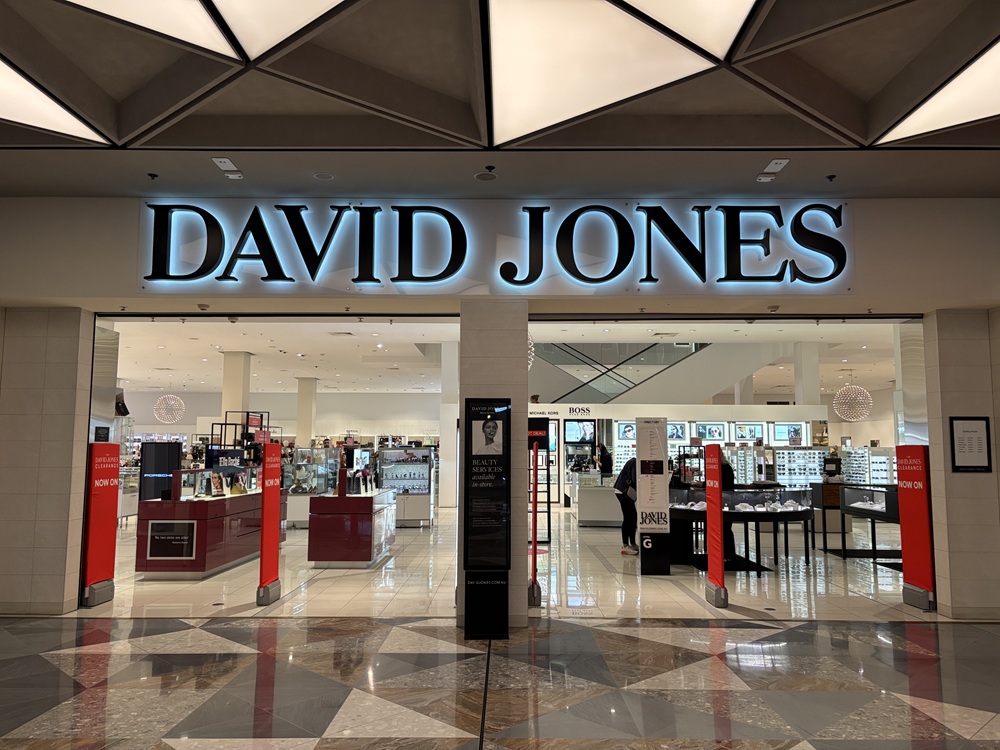
David Jones, one of Australia’s oldest and most recognizable department store chains, has entered voluntary administration after 188 years in business, marking another major setback for the country’s retail sector as higher operating costs, weak consumer spending and supply chain pressures strain established companies.
The retailer’s 38 stores across Australia and New Zealand will remain open while administrators assess its financial position and explore options for its future. FTI Consulting has been appointed as receiver, while McGrathNicol will oversee the voluntary administration process.
The two firms said in a joint statement that a transaction process would begin immediately, seeking offers either to recapitalize the business or sell it as a going concern.
Register for the next Tekedia Mini-MBA.
Register for Tekedia AI in Business Masterclass.
Join Tekedia Capital Syndicate and co-invest in great global startups.
“We will manage this process carefully, mindful of the impact on some stakeholders but also recognizing the need for difficult decisions,” the firms said.
The appointment allows potential investors to acquire or restructure the business. A sale as a going concern would allow David Jones to continue operating under new ownership, while a recapitalization could provide fresh funding to support its operations.
Founded in Sydney in 1838 by Welsh immigrant David Jones, the retailer describes itself as the world’s oldest continuously operating department store. It predates London’s Harrods by more than a decade and has remained a prominent part of Australia’s retail landscape for generations.

The company employs about 6,000 people across 38 locations in Australia and New Zealand. Its stores have traditionally served shoppers seeking clothing, accessories and premium products for important occasions, including formal events, school functions and graduations.
Its administration therefore places thousands of jobs and a longstanding retail institution under uncertainty. Chief Executive Erica Berchtold said the company would work with the administrators, receivers and secured lender throughout the process.
The development now exposes the financial pressures facing traditional department stores as consumers shift towards online shopping and lower-cost competitors.

David Jones has struggled for more than a decade with changes in shopping habits, as digital platforms, fast-fashion retailers and specialist brands have challenged the traditional department store model.
The business has had to compete for customers on several fronts. Online retailers offer convenience and wider product comparisons, while fast-fashion chains compete aggressively on price and product turnover. Specialist retailers have also narrowed the appeal of department stores by focusing on particular categories and customer groups.
For a retailer with a large physical footprint, these changes have yielded a difficult cost structure. Maintaining stores requires substantial spending on rent, staffing, inventory, and logistics, even as customers increasingly make purchases through digital channels.
Higher fuel and transportation costs have added to the pressure by increasing the expense of moving goods and operating retail networks. Sluggish sales make it harder to pass those costs on to consumers without further weakening demand.
The joint statement did not disclose David Jones’ financial position or the scale of its liabilities. However, its prolonged financial difficulties suggest that the administration is not simply a response to a temporary downturn in consumer spending. The company faces a longer-term challenge in adapting its business model to a retail market that has changed substantially since its expansion.
The experience of overseas department store operators offers a warning about the difficulty of restructuring businesses with large store networks and legacy costs. US luxury department store owner Saks Global, which faced similar pressures, emerged from Chapter 11 bankruptcy protection in June after nearly five months of restructuring. It did so with fewer than half its previous stores and approximately a quarter of its former debt.
That outcome demonstrates how restructuring can preserve a retail brand while significantly reducing its physical presence and financial obligations. David Jones could face similar decisions if prospective buyers conclude that its existing store network is too expensive to sustain.
The company’s relationship with major shopping center operators has also become relevant to its prospects. Scentre Group, which owns and operates Westfield shopping centers in Australia and New Zealand, reportedly offered financial support to David Jones, but the proposal was rejected by Anchorage Capital, the retailer’s owner, according to ABC News, citing Scentre Chief Executive Elliott Rusanow.
David Jones operates stores at 17 Westfield locations. Scentre disclosed to the Australian Securities Exchange on Wednesday that the retailer had paid rent up to September 30.
The relationship matters because the closure or restructuring of a major department store can affect shopping center traffic, leasing arrangements and the commercial performance of surrounding retailers. Large department stores often serve as anchor tenants, attracting customers who also spend money at other businesses within a shopping complex.
David Jones’ administration comes amid mounting pressure across Australia’s corporate sector, with several major companies announcing restructuring measures, job cuts or changes to their financial outlook.
National Australia Bank reported a steep decline in annual profit on Thursday, while its chief executive warned of a growing recession risk. Energy company Woodside said it would abandon its dividend policy and cut more than 500 jobs. Canva Group, the Australian graphic design platform, announced on Wednesday that it would reduce its workforce by about 22%.
These developments span different industries, but they point to a challenging operating environment in which companies are reassessing costs, capital allocation and staffing requirements.
The Reserve Bank of Australia has added to the pressure by raising interest rates for a fifth consecutive time this week, warning that inflation risks and household price pressures remain elevated.
Higher interest rates affect retailers through two important channels. They increase financing costs for businesses carrying debt and reduce the disposable income available to households servicing mortgages and other loans. When consumers face higher borrowing costs and living expenses, discretionary purchases such as clothing, accessories and premium goods can be among the first areas where spending is reduced.
That backdrop creates a difficult combination for businesses like David Jones: weaker consumer demand, higher operating expenses and competition from retailers with more flexible business models.
The immediate priority for administrators will be to determine whether the business can attract a buyer or investor willing to fund a turnaround. That assessment will involve the value of its brand, customer base, stores, inventory and commercial relationships, alongside the costs associated with maintaining its operations.
A successful transaction could preserve much of the business and its employment base, although a new owner may still pursue store closures, cost reductions or changes to its product offering. If a viable buyer cannot be found, the risk of a more extensive restructuring would increase.
David Jones’ 188-year history gives it considerable brand recognition, but longevity alone cannot resolve the financial pressures facing department stores.