

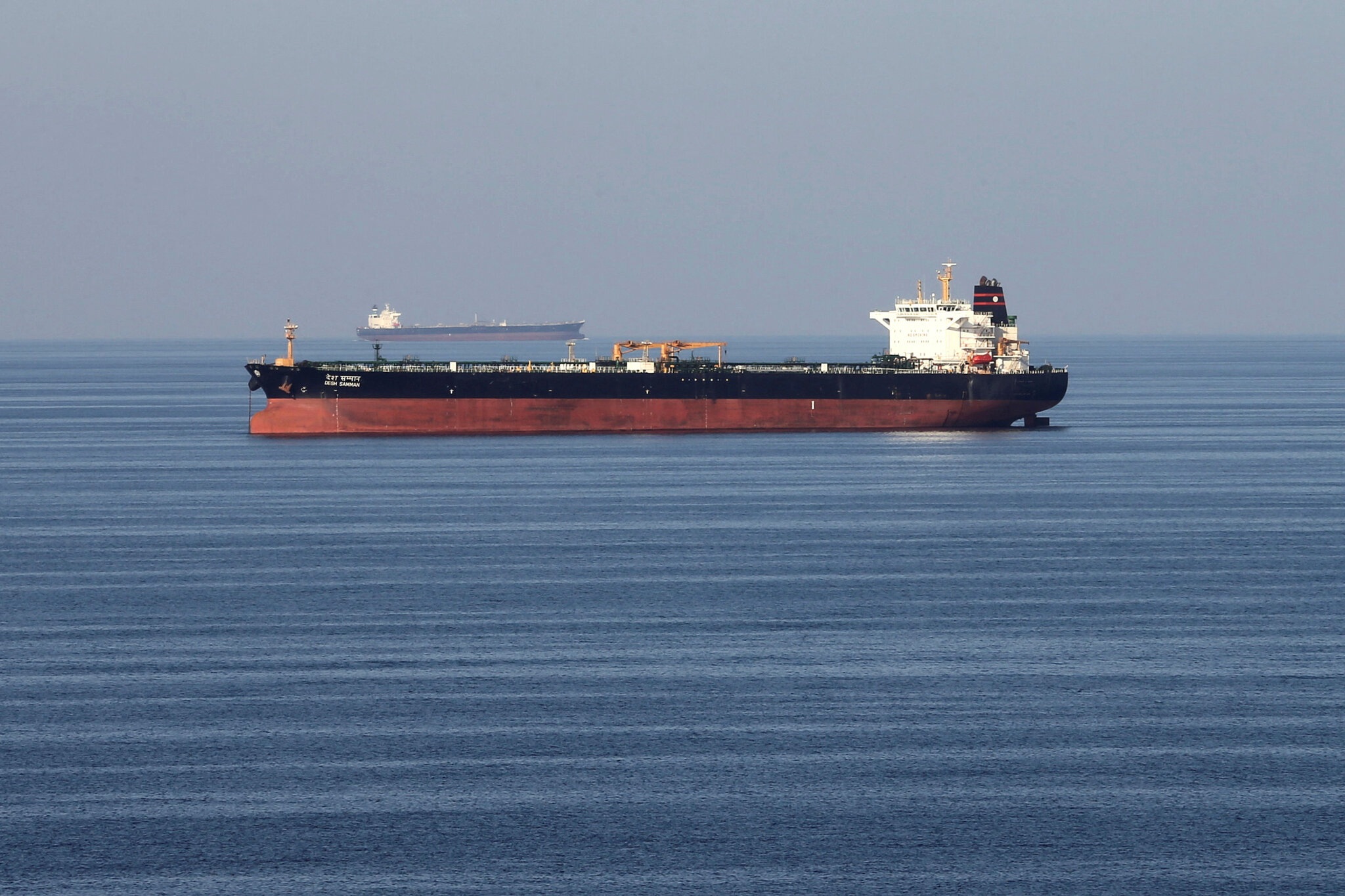
China is set to resume refined fuel exports in October after a temporary suspension during its Golden Week holiday, a move expected to provide some relief to tight global markets for diesel, gasoline and aviation fuel as geopolitical conflicts continue to disrupt supplies.
Beijing has approved exports of around 3.7 million metric tons of the three fuels combined for October, according to two industry participants cited by Reuters, while four traders familiar with the matter said shipments were expected to resume after the holiday-related pause.
The allocation, however, is below the slightly more than 4 million tons of gasoline, diesel and jet fuel that Chinese refiners were expected to export in September. The lower volume suggests that while Beijing is allowing more fuel to reach international markets, it remains cautious about releasing domestic supplies amid continuing uncertainty over crude oil availability and refinery operations.
Register for the next Tekedia Mini-MBA.
Register for Tekedia AI in Business Masterclass.
Join Tekedia Capital Syndicate and co-invest in great global startups.
China began restricting fuel exports in March to protect domestic supplies after the US-Israeli war on Iran disrupted crude oil flows and refinery production in the Middle East. Although Beijing relaxed some restrictions between July and September, its export controls have contributed to tighter regional supply, forcing buyers across Asia to seek alternative sources.
The resumption comes as the Middle East conflict and the war between Russia and Ukraine continue to disrupt refined fuel production and trade. Diesel has been particularly affected, with supply constraints pushing prices higher and increasing pressure on industries that depend on the fuel for transportation, manufacturing and power generation.
Yet analysts caution that China’s return to the export market is unlikely to resolve the underlying imbalance.

“It will be limited as markets remain tight overall and Middle Eastern supplies are still disrupted,” said Stuti Jhunjhunwala, an oil market analyst at Energy Aspects in Kolkata, India.
June Goh, senior analyst at Sparta Commodities, said the resumption was expected, but the approved volumes were lower than anticipated.
China is not simply another exporter in the Asian fuel market, making the move notable. As the world’s largest oil importer and home to its largest refining industry, it can influence regional availability through changes in export policy, even when its own shipments represent only part of the market.

Beijing Balances Domestic Security With International Supply Needs
China’s export restrictions have become an important variable in the global refined-fuel market since the escalation of geopolitical disruptions earlier in the year.
The country traditionally manages fuel exports through a quota system, but it has recently tightened oversight by reviewing shipments on a month-by-month basis. That approach gives Beijing greater control over how much gasoline, diesel and jet fuel leaves the country and allows authorities to adjust allocations as domestic supply conditions change.
The latest interruption began when China started its week-long National Day holiday on October 1 without granting refiners approval to export fuel products to destinations other than Hong Kong and Macau in October, Reuters reported last week.
The absence of export approvals temporarily removed an important source of supply from international markets already struggling with disrupted refinery operations and restricted flows from the Middle East.
The new allocation offers some relief, but the reduction from September’s expected exports indicates that China is not returning to unrestricted shipments.
Between January and August, Chinese exports of gasoline, diesel and jet fuel totaled 19 million tons, down 21% from the corresponding period a year earlier, according to customs data. The decline highlights how significantly Beijing’s supply-protection policy has changed the country’s contribution to international fuel markets.
Last year, China exported an average of 3 million tons of the three fuels each month. In August 2026, the latest month for which detailed figures were available in the report, exports rose sharply to 4.6 million tons. Those August shipments included 648,000 barrels per day of jet fuel, 320,000 bpd of diesel and 191,000 bpd of gasoline.
The figures demonstrate that China’s export capacity can be substantial when authorities permit refiners to ship larger volumes. They also show why changes in Beijing’s monthly decisions can influence the availability of refined products across Asia.
However, the export figures alone do not establish how much additional fuel will reach the market in October. The approved allocation represents a ceiling for permitted exports rather than a guarantee that every ton will be shipped within the month.
For international buyers, the uncertainty creates a procurement challenge. Refiners, distributors and airlines must plan purchases around the volumes that suppliers can reliably deliver, not simply the amount of fuel that may theoretically become available.
China’s month-by-month approvals make that planning more difficult because buyers cannot assume that a high-export month will be followed by another. When Chinese shipments fall, importers may need to compete for supplies from India, South Korea and other regional producers, potentially pushing prices higher.
Global Fuel Markets Remain Exposed to Geopolitical Disruption
China’s decision comes as international energy agencies and governments seek to limit the impact of disruptions to oil supplies. This week, the International Energy Agency, which advises industrialized countries on energy policy, agreed to accelerate the release of oil stocks and prioritize diesel supplies under a plan established in March.
That response reflects the particular sensitivity of refined fuel markets to disruptions in production and transportation. Even when crude oil remains available, shortages of refining capacity or interruptions to the movement of finished products can create acute imbalances in diesel, gasoline and aviation fuel.
The effects are especially significant for diesel, which is widely used in freight transportation, industrial machinery and other essential economic activities. A shortage can increase operating costs across supply chains, while higher jet fuel prices can add pressure to airlines already managing substantial fuel expenses.
China’s resumption of exports could ease some of those pressures by restoring a source of supply to regional buyers. But the approved October volume is lower than September’s expected shipments, limiting the immediate relief.
The wider supply picture also remains dependent on developments in the Middle East, where the conflict has disrupted both crude oil flows and refinery production. The war between Russia and Ukraine adds another source of uncertainty to international refined-product trade. In that environment, China’s role as a swing supplier has become crucial. Although its fuel exports have typically been lower than those of India and South Korea among Asian processors, changes in its shipment volumes can still influence regional market balances.
A swing supplier is valuable because it can increase or reduce exports in response to changing conditions, helping absorb some of the difference between regional supply and demand. But that flexibility works only when additional volumes are available, and export permissions are granted.
Beijing’s recent controls have reduced the reliability of China as a source of incremental supply. The October resumption restores part of that flexibility, although the relatively modest allocation means buyers cannot rely on Chinese exports alone to offset continuing disruptions elsewhere.