

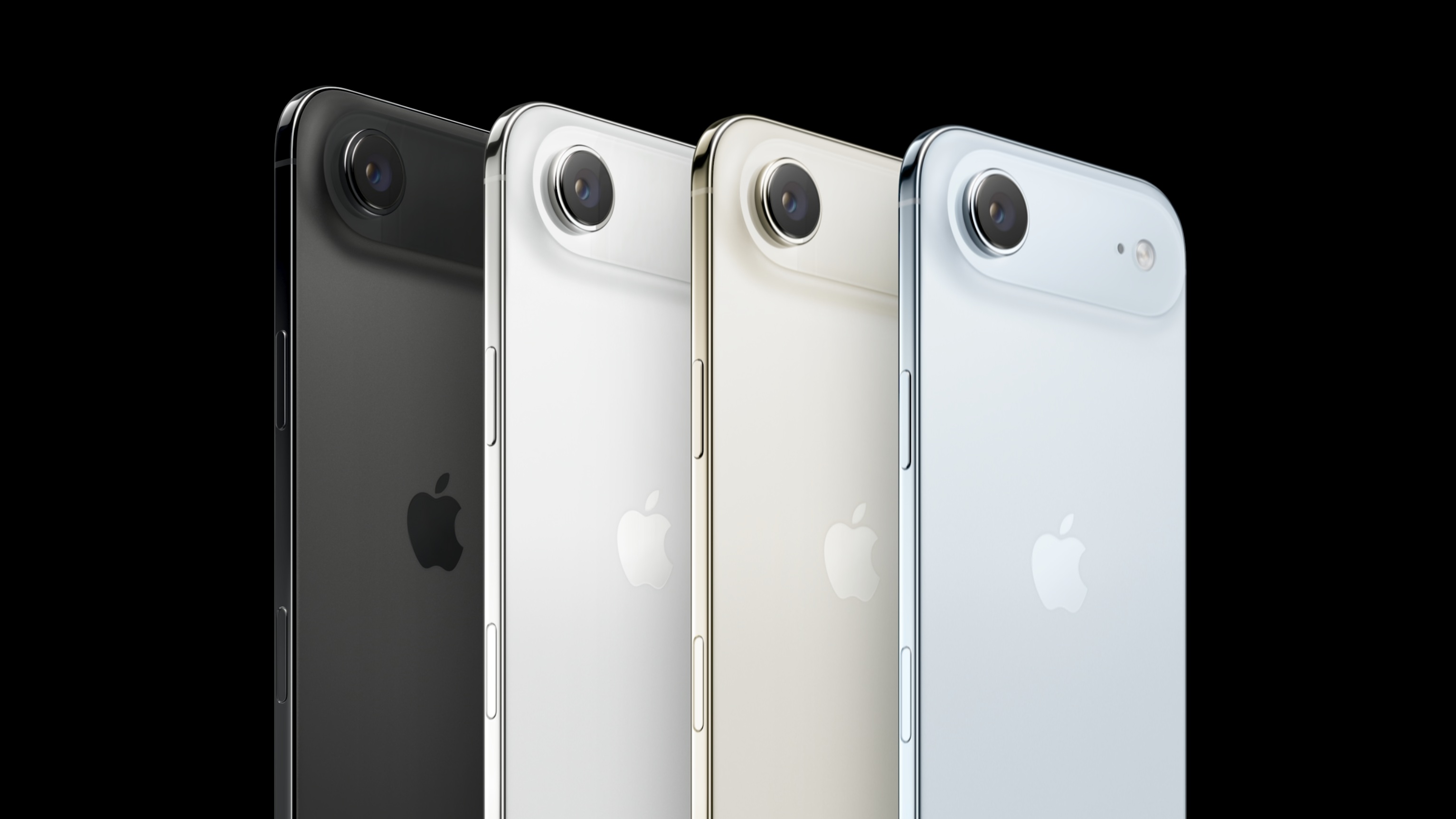
China’s smartphone sales fell 13% year-on-year during this year’s month-long 618 shopping festival, as manufacturers raised prices to offset higher memory costs and offered fewer discounts, according to data from Counterpoint Research.
The research firm said sales declined during the May 26 to June 21 promotional period, with nearly all major Chinese smartphone brands recording double-digit declines. The exception was Huawei, which continued to gain market share and was the only leading vendor to post annual sales growth.
China’s consumer electronics market has been facing challenges, including sluggish consumer spending and rising component costs, which have reduced the effectiveness of one of the country’s biggest annual shopping events.
Register for the next Tekedia Mini-MBA.
Register for Tekedia AI in Business Masterclass.
Join Tekedia Capital Syndicate and co-invest in great global startups.
Counterpoint attributed much of the slowdown to rising memory prices, driven by surging global demand for memory chips used in artificial intelligence infrastructure. The increase in component costs has raised handset prices, leaving manufacturers with less flexibility to offer the deep discounts that traditionally drive sales during the 618 festival.
“Some older and newer models from Chinese smartphone brands were priced higher than comparable models a year earlier, while discounts during this year’s 618 festival were generally less aggressive, both in terms of the size of price cuts and the range of products covered,” said Ivan Lam, Senior Analyst at Counterpoint Research.
“Apple’s prices were broadly unchanged, but its discounts were also smaller,” he added.

Among China’s domestic brands, Honor recorded the sharpest decline, with sales falling 33% from a year earlier, while Xiaomi posted a 24% drop.
Huawei emerged as the strongest performer, increasing sales by 19% year-on-year and capturing a 21% share of the market during the promotional period.
The company’s Enjoy 90 Pro Max was its best-selling device, while the Mate 80 also recorded strong demand after benefiting from promotional offers.

Apple’s sales declined 9% from the same period last year, although the U.S. company climbed to the second position in the market rankings after launching promotional offers roughly one month before the June 18 shopping peak. The company offered discounts of up to 2,000 yuan (about $295) on its iPhone 17 Pro lineup through a combination of official price reductions, e-commerce platform subsidies and trade-in incentives.
Even so, Apple was unable to match last year’s sales performance because discounts on the iPhone 16 series during the 2025 618 festival had been significantly larger.
The 618 shopping festival began as a one-day sales event celebrating JD.com’s founding on June 18, 1998. It has since evolved into a month-long nationwide promotional campaign, with China’s largest e-commerce platforms competing aggressively for consumer spending.
In recent years, however, the festival has lost much of the momentum that once made it one of China’s biggest retail events. Retailers have increasingly extended promotional periods over several weeks, reducing the sense of urgency among consumers, while weaker household spending has curbed demand for discretionary purchases such as smartphones and other consumer electronics.
Although Counterpoint said the 618 campaign helped smartphone sales recover in June compared with the previous month, it expects the market to enter its typical seasonal slowdown in the months ahead.
The research firm forecasts that smartphone shipments in China will post a double-digit decline for the full year, highlighting the continuing pressure on manufacturers as they contend with softer consumer demand, higher production costs, and intensifying competition in the world’s largest smartphone market.