

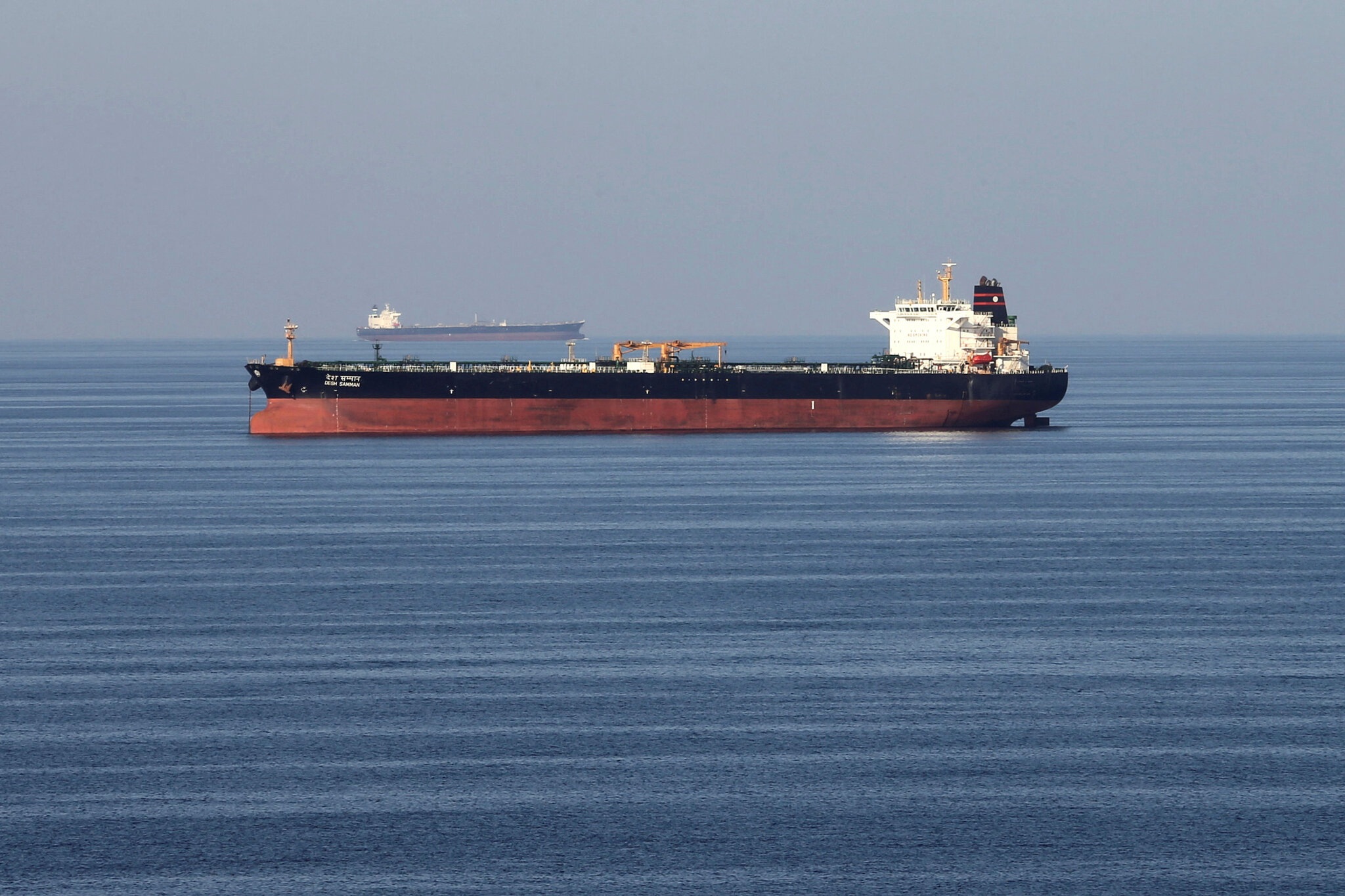
China’s imports of crude oil from Russia are projected to reach a new all-time high in February 2026, extending a three-month growth streak as independent Chinese refiners capitalize on deep discounts and a pivot away from Russian supplies by India.
Data from ship-tracking and commodity analytics firms show Russia’s seaborne oil deliveries into China will likely hit roughly 2.07–2.08 million barrels per day (bpd) in February, up from an estimated 1.7 million bpd in January.
This surge, if realized, would mark China’s highest Russian crude intake on record, underscoring significant shifts in global energy flows amid sanctions, trade realignments, and evolving buyer preferences.
Register for Tekedia Mini-MBA edition 20 (June 8 – Sept 5, 2026).
Register for Tekedia AI in Business Masterclass.
Join Tekedia Capital Syndicate and co-invest in great global startups.
Register for Tekedia AI Lab.
Drivers of the Surge: Discounts, “Teapots,” and India’s Pullback
One of the key factors behind the surge is the steep discounting of Russian crude to meet China’s demand profile. Russian barrels, particularly the Urals grade, have been priced $9–$11 per barrel below benchmark ICE Brent for January/February China deliveries — the lowest in years — making them especially attractive to cost-conscious refiners.
Alongside Urals, export streams such as Sokol, Varandey, and ESPO (Eastern Siberia–Pacific Ocean blend) are adding to volumes, intensifying competition with alternative sources such as Iranian crude.
China’s independent refiners, known as “teapots”, are among the most active buyers of this discounted Russian crude. These smaller, flexible facilities typically process cargoes from sanctioned suppliers — including Russian, Iranian, and Venezuelan origins — and are more willing to buy at steep discounts compared with larger, state-owned refiners.

A senior trader noted that, for refiners focused on margins, Russian supplies have become relatively more competitive than similar quality barrels from Iran, especially in the context of geopolitical uncertainty.
India’s Reduced Russian Imports and Geopolitical Pressures
The record Chinese volumes come as India’s Russian crude imports retreat sharply. After Western sanctions related to the war in Ukraine and diplomatic pressure tied to trade negotiations with the U.S., New Delhi’s imports of Russian crude have fallen to estimated multi-year lows. February deliveries to India are estimated at about 1.159 million bpd, down from much higher levels last year.
Analysts say this reduction has redistributed available barrels, which producers have redirected toward China at discounted pricing. India’s reorientation has also opened space for other suppliers, with Saudi Arabia reportedly supplanting Russia as New Delhi’s top crude source in early February, aided by price cuts and logistic advantages.

Uncertainty surrounding potential U.S. military action against Iran has also influenced buyer behavior. Traders and analysts have noted that concerns over the reliability of Iranian shipments — amid the broader political backdrop — have made Russian crude comparatively more attractive and predictable for Chinese buyers.
This dynamic has weighed on Iranian imports into China, which slipped in February relative to January levels, even as overall crude flows remain strong.
Shifting Epicenters of Russian Oil Demand
Russia’s energy export landscape is increasingly bifurcated: while Europe and the U.S. have tightened sanctions, and India is curbing purchases under trade and diplomatic pressure, China has emerged as the dominant absorption market for Russian crude. Since late 2025, Beijing has replaced New Delhi as Moscow’s top seaborne oil client.
The result is a reshaping of global crude supply chains where Chinese refiners — particularly independents — are shouldering more of Russia’s export flows, exerting downward pressure on Urals pricing, and driving broad shifts in regional crude sourcing patterns.
The discounting strategy has helped sustain flows but comes at a cost to Russian oil revenue. With barrels trading at deep discounts and inventories in floating storage swelling, Russia’s ability to maintain export revenue levels is under strain. Additional Western sanctions and logistics pressure may further complicate the outlook.
Should China’s appetite reach saturation — or should state-owned refiners remain cautious due to sanctions enforcement — Russia may eventually face greater systemic pressure to cut output or find alternative buyers.
For Chinese refiners, the ability to secure discounted Russian crude enhances margins in a competitive Middle East supply environment, while also supporting longer-term strategic stockpiles. For Russia, maintaining export volume to China is essential not just for revenue but also for logistical continuity amid sanction-induced disruptions.
The broader context of these shifting flows also reflects how geopolitical pressures, including U.S. and EU sanctions, trade agreements, and regional rivalries, are actively reshaping traditional energy trade patterns.
Bottom Line
- China’s record-breaking Russian crude imports in February illustrate a major realignment in global oil markets:
- China is absorbing historically high Russian volumes, driven by steep discounts and robust refining demand.
- India’s reduced purchases — influenced by sanctions and trade diplomacy — have opened space for Chinese demand.
- Independent Chinese refiners (teapots) are key drivers, willing to capitalise on discounted barrels amid geopolitical uncertainty.
- The interplay of market economics and political strategy is reshaping where and how Russian oil flows, with implications for pricing, refinery margins, and energy security dynamics across Asia and beyond.