

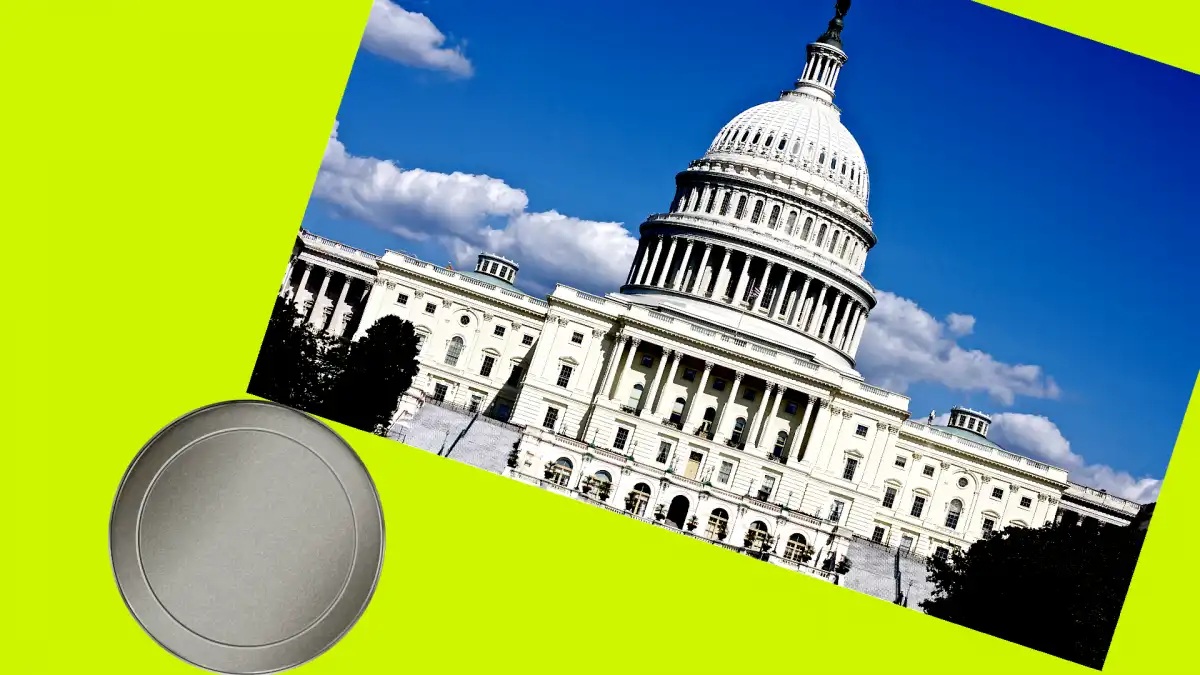
The U.S. crypto industry’s long-awaited regulatory overhaul has taken a sharp hit after the odds of the Clarity Act passing in 2026 plunged to just 15% on Polymarket, a sharp decline from peaks near 80% earlier this year.
The dramatic decline reflects growing skepticism among market participants that Congress will approve the landmark legislation anytime soon, raising fresh questions about the timeline for comprehensive digital asset regulation in the United States and the potential impact on the broader cryptocurrency industry.
Recent reports reveal that the U.S. Senate has delayed a vote on the Digital Asset Market Clarity Act until after its August recess, Senate Majority Leader John Thune confirmed.
Register for the next Tekedia Mini-MBA.
Register for Tekedia AI in Business Masterclass.
Join Tekedia Capital Syndicate and co-invest in great global startups.
The announcement marks another postponement for the long-awaited market structure bill that aims to bring clearer rules to the digital asset industry.
Thune indicated that Democrats declined to support bringing the measure to the floor before lawmakers left Washington for the summer break. The chamber is scheduled to return in mid-September.
At that point, the bill is expected to be queued for consideration, though it will still need 60 votes to advance past a potential filibuster. Republicans currently hold 53 seats, meaning meaningful Democratic support remains essential.

Industry observers note that failure to advance the bill this year could push comprehensive market structure reform further into the future, prolonging regulatory uncertainty for crypto firms, investors, and traditional financial institutions exploring digital assets.
Notably, Senator Cynthia Lummis has pledged to continue pushing for passage of the Clarity Act after the latest legislative setback, declaring that the fight for comprehensive U.S. crypto regulation “is far from over.”
In a statement released as the Senate prepared to leave for its August recess, the Wyoming Republican expressed frustration over the delay but reaffirmed her commitment. “We’ve come too far to quit now,” she said.

“I will not give up because I believe to my core that this industry deserves to thrive with clear rules of the road on US soil, that consumers deserve to be protected from scams and have the confidence to participate in our digital economy, and that law enforcement deserves the tools they need to hold bad actors accountable. The Clarity Act is the only way we can achieve those goals.”
Lummis, a longtime advocate for Bitcoin and digital assets, has repeatedly stressed that the current system fails industry participants, consumers, and law enforcement alike.
The Clarity Act is the leading U.S. legislative effort to create a comprehensive federal framework for digital assets.
It seeks to clarify the division of oversight between the Securities and Exchange Commission and the Commodity Futures Trading Commission, define digital commodities versus securities, establish rules for intermediaries, strengthen anti-money-laundering requirements, and address related issues such as stablecoins and consumer protections.
At its core, the CLARITY Act seeks to draw a clear line between the responsibilities of the U.S. Securities and Exchange Commission (SEC) and the Commodity Futures Trading Commission (CFTC).
Under the proposal, digital assets that qualify as securities would remain under the SEC’s jurisdiction, while decentralized digital commodities, including Bitcoin, would primarily fall under the oversight of the CFTC.
Supporters argue that the CLARITY Act could position the United States as a global leader in digital asset innovation by fostering responsible growth, encouraging investment, and reducing the legal ambiguity that has prompted some crypto firms to expand overseas.
However, the proposal has also faced criticism. Opponents contend that some provisions could weaken the SEC’s oversight of certain digital assets and may not provide sufficient protections for retail investors. These concerns have contributed to ongoing debates in Congress and have cast uncertainty over the bill’s prospects of becoming law.
Outlook
While the sharp drop in Polymarket’s odds reflects growing pessimism over the CLARITY Act’s near-term prospects, the legislation is far from dead.
The bill still enjoys strong backing from key Republican lawmakers, industry groups, and a growing number of policymakers who argue that the United States risks falling behind other major jurisdictions, including the European Union and the United Kingdom, in establishing clear digital asset regulations.
If the bill advances, it could mark a watershed moment for the U.S. crypto industry by providing long-sought regulatory certainty and encouraging greater institutional participation.