

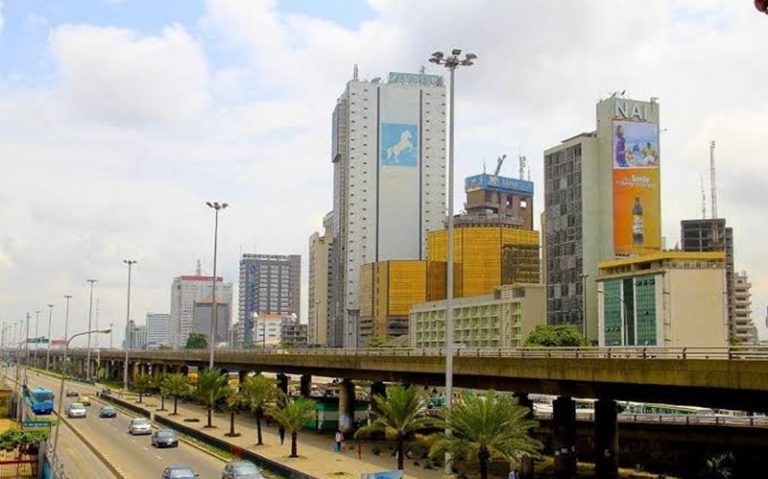
Nigeria is poised to move from a period of macroeconomic stabilization to a phase of stronger economic growth in 2026, according to a new outlook by the Centre for the Promotion of Private Enterprise (CPPE), which projects GDP growth of between 4.0 and 4.5 percent next year.
The projection is contained in CPPE’s latest report, Review of the Nigerian Economy in 2025 and Outlook for 2026, which argues that reforms implemented over the past year have begun to yield measurable results, setting the stage for a gradual but more durable expansion.
According to the report, 2025 marked a clear turning point in Nigeria’s economic trajectory. Dr. Muda Yusuf, CPPE’s Chief Executive Officer, said the combination of exchange-rate stability, easing inflation, and improved investor sentiment helped pull the economy out of the volatility that defined earlier reform phases.
Register for Tekedia Mini-MBA edition 20 (June 8 – Sept 5, 2026).
Register for Tekedia AI in Business Masterclass.
Join Tekedia Capital Syndicate and co-invest in great global startups.
Register for Tekedia AI Lab.
“With reform momentum sustained, Nigeria is expected to transition more decisively from stabilization to growth,” Yusuf said.
One of the most significant stabilizing factors highlighted was currency performance. Throughout much of 2025, the naira traded within a relatively narrow band of N1,440 to N1,500 per U.S. dollar. Periodic appreciation episodes helped restore confidence among businesses, reduced uncertainty around pricing and planning, and eased imported inflation pressures, particularly for manufacturers and traders dependent on foreign inputs.
Inflation also slowed sharply over the year. CPPE noted that headline inflation fell from 24.48 percent in January to 14.45 percent by November, driven by improved exchange-rate predictability, better supply conditions, and some moderation in food prices. The report stated that consumer sentiment improved as the prices of several food items and imported goods recorded outright declines, offering modest relief to households after a prolonged cost-of-living squeeze.

Business conditions mirrored these gains. The NESG–Stanbic IBTC Business Confidence Index remained in positive territory for most of 2025, reflecting stronger corporate sentiment. According to CPPE, several firms that recorded losses in 2024 returned to profitability in 2025, supported by lower foreign exchange losses, better cost management, and more stable operating conditions.
However, the report draws a clear distinction between stabilization gains and deeper structural strength, particularly on the fiscal side. CPPE described federal government fiscal performance in 2025 as weak, noting that heavy debt-service obligations continued to constrain budget execution. Oil-sector underperformance compounded the problem, with revenue targets missed despite optimistic budget assumptions.
The 2025 budget was based on an oil price of $75 per barrel and production of 2.06 million barrels per day. Actual outcomes, CPPE said, were significantly lower, with average oil prices closer to $66 per barrel and production around 1.66 million barrels per day. The shortfall limited capital spending and reinforced the government’s dependence on borrowing.

In contrast, sub-national governments fared better. The report noted that many state governments recorded stronger fiscal outcomes, aided by improved liquidity, better internally generated revenue, and more effective execution of capital projects. This divergence, CPPE said, underscores the growing importance of fiscal decentralization and local revenue mobilization in Nigeria’s economic resilience.
On sectoral performance, services remained the backbone of growth, accounting for 53 percent of GDP by the third quarter of 2025. Telecommunications, financial services, trade, construction, and real estate were the main drivers, benefiting from population growth, urbanization, and digital adoption.
Manufacturing, however, continued to lag, expanding by just 1.25 percent. CPPE attributed the weak performance to persistent power supply challenges, high logistics costs, and limited access to affordable finance. Agriculture grew by 3.79 percent and contributed 31.21 percent of GDP, but insecurity, low productivity, and weak value-chain development continued to limit its export potential and broader contribution to growth.
Looking ahead to 2026, CPPE expects growth to strengthen further, led by the services sector and supported by moderating inflation. Yusuf said the slowdown in inflation could create room for gradual monetary easing, potentially lowering interest rates and stimulating private-sector investment.
Capital markets are also expected to play a larger role. CPPE pointed to the potential listing of the Dangote Refinery as a major catalyst that could deepen market liquidity, attract portfolio inflows, and strengthen Nigeria’s investment profile.
“Policy credibility remains strong, reinforcing investor confidence and capital inflows,” Yusuf said.
Still, the report cautions that the outlook is not without risks. CPPE flagged persistent insecurity affecting agriculture and logistics, volatility in oil prices and production, high power and transport costs, and mounting debt-service obligations, estimated at over N15 trillion in 2026, or about half of projected government revenue.
External factors such as geopolitical tensions, which could disrupt trade and capital flows, were also identified as potential headwinds. Domestically, CPPE warned that pre-election fiscal pressures, political uncertainty, and resistance to tax reforms could undermine revenue expectations and slow reform momentum.
In its conclusion, CPPE described 2025 as a year that delivered stability rather than prosperity, while framing 2026 as a period of cautious but tangible opportunity.
“If reform momentum is sustained and security challenges are effectively addressed, 2026 could mark the beginning of a more robust growth phase with tangible improvements in living standards,” Yusuf said.
The report comes against the backdrop of earlier concerns raised by CPPE over delays in the submission of the 2026–2028 Medium-Term Expenditure Framework. The organization has warned that such delays weaken legislative scrutiny and undermine the credibility of the budget process, noting that the Fiscal Responsibility Act requires the MTEF to be submitted at least four months before the start of a new fiscal year.