

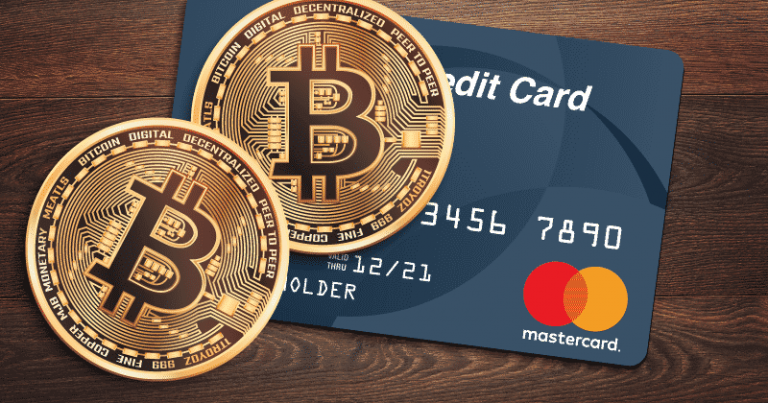
Crypto adoption is increasingly moving beyond trading, investing and speculation, as consumers use digital assets for everyday purchases.
The latest indication of this shift is the rise in spending through crypto-linked payment cards, which has reached a new all-time high. The milestone highlights how cryptocurrency is gradually becoming integrated into conventional financial activity.
Crypto cards allow users to spend digital assets through payment networks that resemble traditional debit or prepaid cards.
Depending on the provider, cryptocurrency can be converted into fiat currency at the point of purchase, allowing merchants to receive familiar currencies while customers retain access to their crypto holdings.
Register for the next Tekedia Mini-MBA.
Register for Tekedia AI in Business Masterclass.
Join Tekedia Capital Syndicate and co-invest in great global startups.
This model has helped remove one of the biggest barriers to everyday cryptocurrency use: the need for merchants to directly accept digital assets. The surge in card spending also reflects the expanding infrastructure around stablecoins.
Unlike volatile cryptocurrencies such as Bitcoin and Ether, stablecoins are designed to maintain relatively stable values against fiat currencies. This makes them particularly suitable for payments, allowing users to hold digital dollars and spend them without worrying about large price fluctuations between the time of purchase and settlement.
Another factor behind the growth is the increasing integration between crypto companies and traditional payment networks. Crypto platforms are developing cards that can be used at millions of merchants worldwide.

While financial institutions and payment companies are becoming more comfortable supporting blockchain-based settlement. As these connections improve, consumers can use crypto balances without necessarily understanding the underlying blockchain infrastructure.
The new spending record is significant because transaction activity can provide a different measure of adoption than cryptocurrency prices or exchange volumes.
A rising Bitcoin price can be driven by investment demand, while higher crypto card spending suggests that digital assets are increasingly being used as a financial utility. In other words, crypto is moving from an asset people hold to an asset people can use.
Rewards and cashback programs are also contributing to this trend. Some crypto cards offer users incentives in digital assets for everyday purchases, creating an additional reason to use them instead of conventional payment cards.

For frequent users, these rewards can turn routine spending on groceries, transportation, subscriptions and other services into opportunities to accumulate crypto. Transaction fees, foreign-exchange costs, regulatory requirements, taxation and the volatility of certain cryptocurrencies can complicate crypto-based payments.
Providers must maintain strong compliance and security systems as their products become more widely adopted. The record in crypto card spending points toward a broader transformation in digital finance. The next phase of cryptocurrency adoption may not be defined solely by new tokens or higher market valuations.
But by how seamlessly blockchain-based money becomes embedded in everyday commerce. If the trend continues, crypto cards could become an important bridge between decentralized assets and the traditional financial system.
The new all-time high therefore represents more than a spending record. It is evidence that cryptocurrency is increasingly being treated not just as an investment, but as a practical payment tool. This evolution could create new opportunities to reach a global customer base while reducing reliance on traditional banking intermediaries.
As blockchain payment infrastructure becomes faster and cheaper, crypto cards may increasingly compete with conventional payment products, particularly in markets where access to reliable financial services remains limited.