

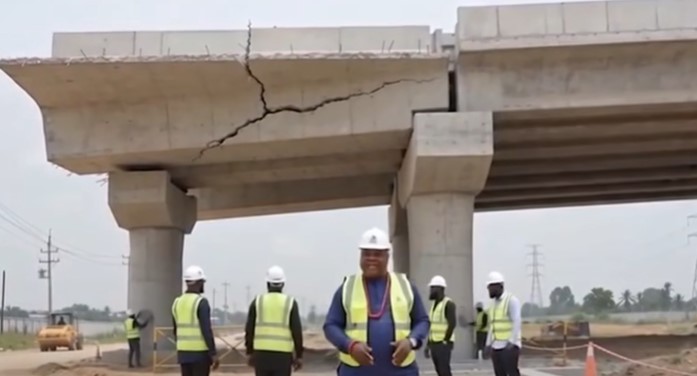
As Osun State gradually moves towards the 2026 governorship election, the political battlefield is already changing shape. Campaign posters, rallies, jingles, and television appearances are no longer the only instruments of persuasion. A new force has entered the arena. Artificial intelligence, deepfakes, and algorithm-driven propaganda are beginning to redefine how political narratives are created, circulated, and consumed.
The recent controversy surrounding a viral video allegedly linked to Governor Ademola Adeleke revealed more than partisan tensions. It exposed the arrival of a dangerous and transformative phase in Nigerian politics where truth, loyalty, technology, and perception are becoming increasingly entangled.
Yet the most revealing aspect of the incident was not the video itself. It was the reaction that followed.
Register for the next Tekedia Mini-MBA.
Register for Tekedia AI in Business Masterclass.
Join Tekedia Capital Syndicate and co-invest in great global startups.
Across social media platforms, supporters and critics rushed into familiar political formations. Some dismissed the video as “APC AI at work.” Others defended Adeleke by pointing to roads, bridges, and visible infrastructure projects across Osun State. A few demanded evidence. Many simply doubled down on pre-existing political loyalties.
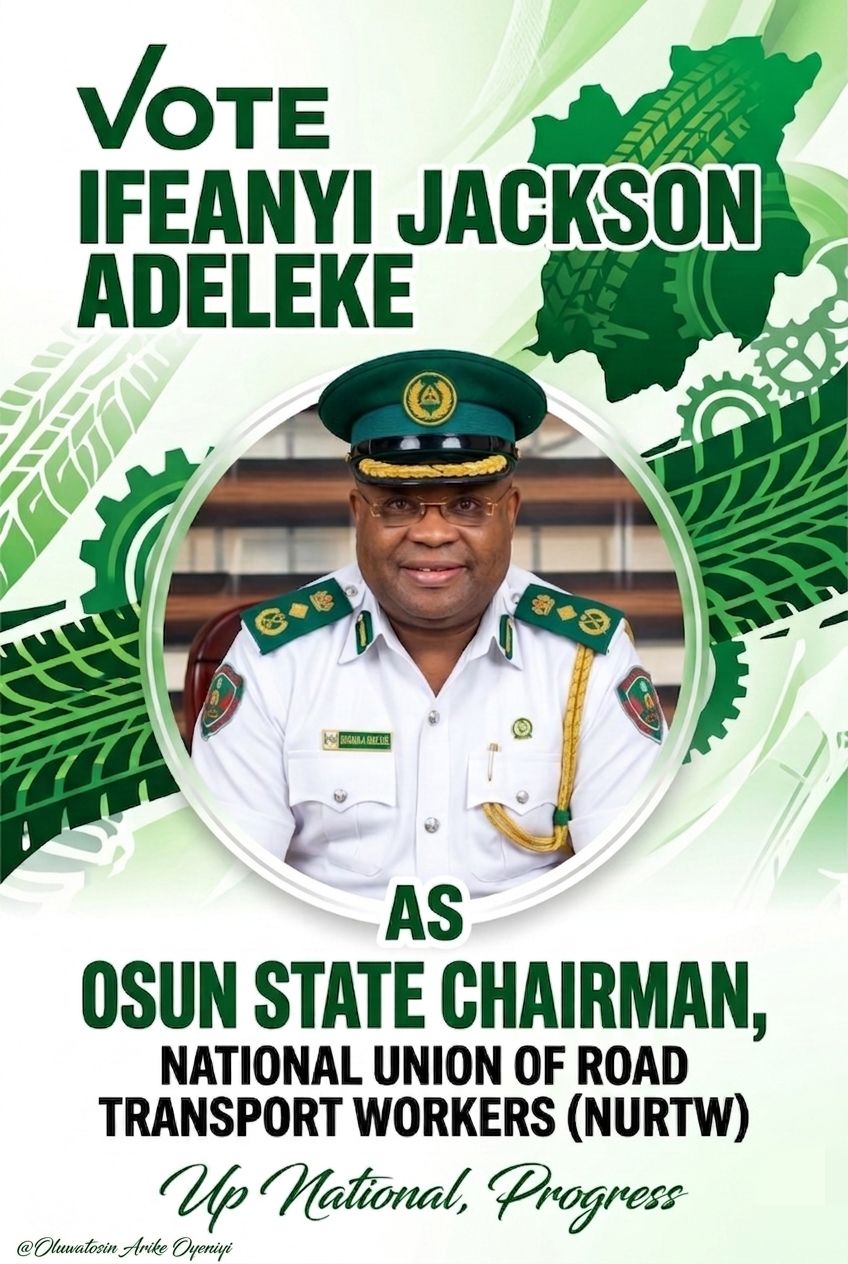
Very quickly, the conversation stopped being about whether the video was manipulated. It became about identity. This may become the defining feature of Osun 2026.
Artificial intelligence is introducing a new era where seeing is no longer believing. Audio can be cloned. Videos can be manipulated. Speeches can be fabricated. Political opponents can be digitally inserted into events that never happened. In previous elections, propaganda relied heavily on exaggeration and selective storytelling. Today, technology can manufacture synthetic political realities with alarming sophistication.

But Osun’s online reactions reveal an even deeper democratic challenge. Citizens are not only struggling to identify truth. Increasingly, many appear less interested in verifying truth at all.
The comments surrounding the Adeleke controversy reflected a behavioural pattern now visible across many democracies. Political interpretation no longer begins with evidence. It begins with loyalty. People first decide who they trust emotionally, then interpret information through that emotional lens.
For Adeleke’s supporters, the alleged deepfake was immediately reframed as opposition propaganda. For critics, it became another opportunity to attack the governor. Verification came later, if at all. This is how digital polarization evolves.

The danger is not simply that fake content exists. The greater danger is that society gradually loses a shared standard for determining what is real. Once politics becomes entirely tribal, truth itself becomes negotiable. Interestingly, however, the reactions also exposed something powerful about voter behaviour in the state. Despite the noise surrounding artificial intelligence and manipulation, many commenters returned repeatedly to one issue: infrastructure.
Roads. Bridges. Transportation. Everyday experience.
One commenter explained that improved roads had reduced the frequency of vehicle repairs. Another praised the Oshogbo to Ikirun to Offa road corridor. Others openly declared continued support for Adeleke based on visible development projects.
This reveals a critical insight for Osun 2026. In the midst of digital propaganda wars, physical governance still matters.
Citizens may debate manipulated videos online, but they continue to evaluate leadership through lived realities offline. A repaired road carries more emotional weight than a thousand social media narratives. People trust what they can physically experience.
This creates an interesting political paradox. Artificial intelligence may shape perception, but governance performance still shapes memory.
For opposition parties hoping to challenge Adeleke, this means technology alone will not be enough. Deepfakes and online propaganda may dominate headlines temporarily, but electoral success in Osun will likely depend on whether opponents can present a more convincing story of material improvement and everyday governance.
At the same time, Adeleke and his supporters cannot afford complacency. The age of AI introduces vulnerabilities for every political actor. Today’s target could become tomorrow’s beneficiary. Once synthetic media becomes normalized, no politician remains permanently protected from manipulation. This is why the Osun conversation should concern more than politicians alone.
It raises urgent questions for democratic institutions, media organizations, and citizens themselves. How should societies regulate political deepfakes? What responsibility do social media platforms carry during election cycles? How can voters distinguish authentic communication from manufactured deception? Most importantly, how can democratic trust survive in an environment where any video can be dismissed as fake and any fabrication can appear believable?
The linguistic texture of the online reactions also deserves attention. Yoruba expressions, Nigerian Pidgin, and informal English flowed naturally through the comment section. Political slogans like “Imole” became identity markers repeated almost ritualistically.
This reflects the growing personalization of politics in Nigeria. Increasingly, elections are becoming less about institutions and more about emotional political brands. Supporters no longer merely defend policies. They defend identities, symbols, and movements that represent belonging.
Social media amplifies this behaviour because online participation is performative. Citizens are not simply debating issues. They are publicly signaling loyalty to their political communities before digital audiences.
This helps explain the hostility visible in many of the reactions. Opponents were mocked, insulted, and dismissed as enemies rather than fellow citizens with differing opinions. Such polarization weakens democratic culture because it discourages critical engagement and rewards emotional aggression.
The challenge for democracy will not merely be defeating fake videos. It will be preserving society’s willingness to care about truth in the first place. That is the real web of AI and deepfakes now unfolding around Osun 2026.