

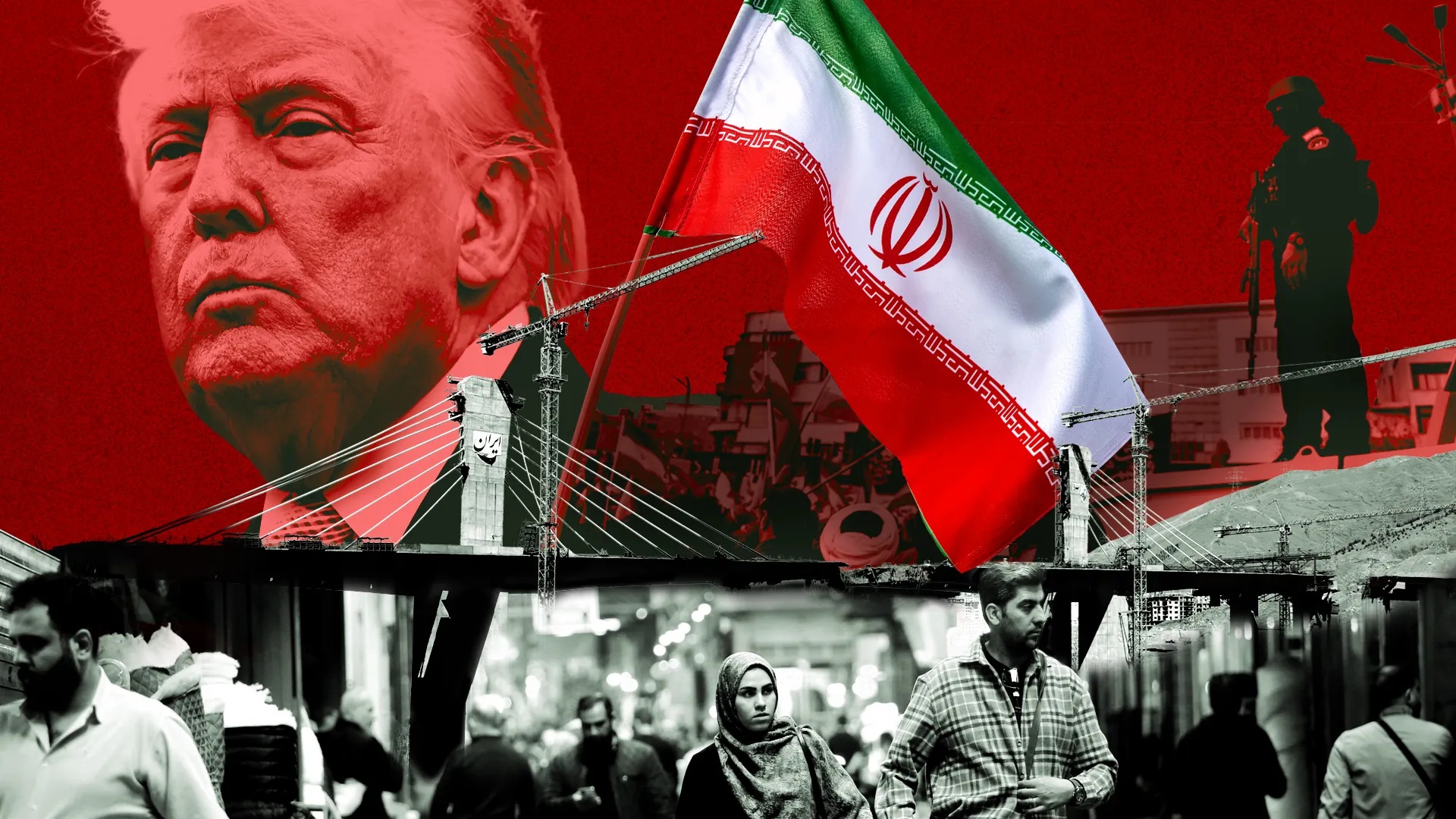
New details are emerging about a proposed 60-day ceasefire framework between the United States and Iran after President Donald Trump declared that he had effectively ended the war with Iran. The announcement follows months of military confrontation, economic pressure, and diplomatic negotiations that brought the two countries to the brink of a broader regional conflict before a series of mediated talks opened the door to de-escalation.
While Trump has presented the development as a major foreign policy victory, officials on both sides continue to emphasize that the agreement remains a framework rather than a finalized peace treaty. According to reports, the proposed memorandum of understanding would extend the existing ceasefire for an additional 60 days while negotiators work toward a more comprehensive settlement.
During this period, both sides would refrain from major military operations and focus on resolving disputes surrounding Iran’s nuclear program, regional security arrangements, sanctions, and maritime access through the strategically important Strait of Hormuz. One of the most significant provisions reportedly involves the reopening of the Strait of Hormuz, a vital waterway through which a substantial portion of the world’s oil supply passes.
Register for the next Tekedia Mini-MBA.
Register for Tekedia AI in Business Masterclass.
Join Tekedia Capital Syndicate and co-invest in great global startups.
The agreement is expected to restore commercial shipping activity and reduce tensions that have disrupted global energy markets. Trump has argued that reopening the strait will stabilize oil prices and demonstrate that the United States achieved its primary security objectives without the need for a prolonged military campaign.
Another central element of the proposed framework is the revival of nuclear negotiations.
The memorandum reportedly commits Iran to discussions aimed at ensuring it does not obtain nuclear weapons, while the United States would consider phased sanctions relief tied to Iranian compliance. However, many of the most difficult questions—including the future of Iran’s enriched uranium stockpile, the release of frozen Iranian assets, and the scope of sanctions removal—have been deferred to future negotiations.
Trump’s declaration that he has ended the war with Iran builds upon earlier statements from his administration that hostilities had effectively terminated following a ceasefire that began in April. The White House has repeatedly argued that the absence of direct military exchanges means the conflict has ended, even though political and diplomatic disputes remain unresolved.

Critics, however, contend that a ceasefire does not necessarily constitute a permanent end to the conflict and caution that the situation remains fragile. Iranian officials have also adopted a more cautious tone than Washington. While acknowledging progress in negotiations, Tehran has indicated that no final agreement has yet been approved and that several major issues remain under discussion.
This gap between Trump’s optimistic declarations and Iran’s more measured statements has fueled uncertainty about whether a lasting settlement can ultimately be achieved. The proposed 60-day ceasefire represents the most significant diplomatic breakthrough since the conflict began. If successful, it could create a pathway toward a broader agreement that addresses nuclear concerns, regional stability, sanctions relief, and economic reconstruction.
For now, the world is watching closely as negotiators attempt to transform a temporary truce into a durable peace, while Trump seeks to present the development as evidence that his administration has brought one of the Middle East’s most dangerous confrontations to an end.
