

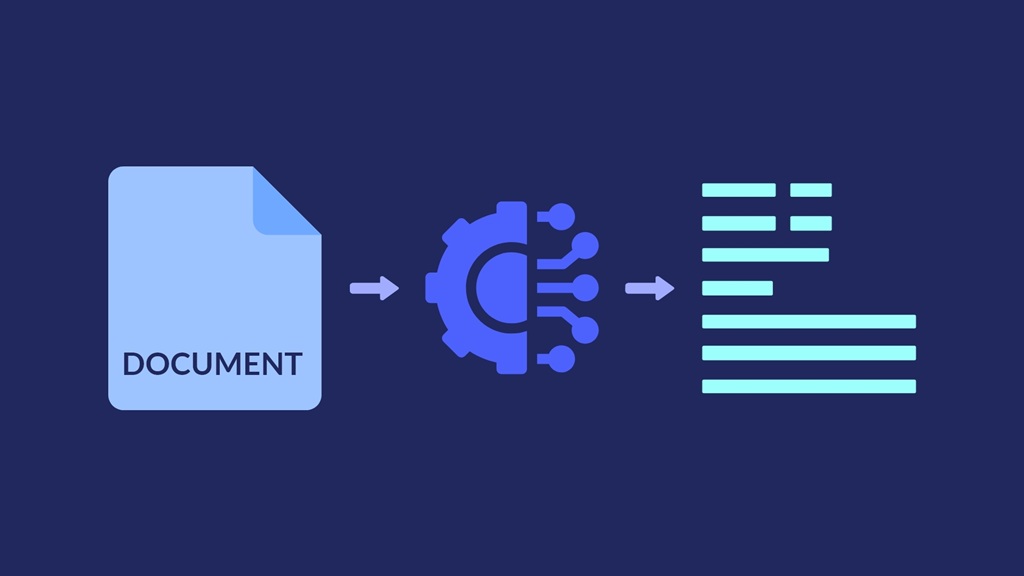
Document Processing Gets Smarter: Why IDP Is Replacing Traditional OCR
The Shift from Basic OCR to Intelligent Automation
For decades, organizations have relied on traditional Optical Character Recognition (OCR) to digitize printed documents. While revolutionary at its inception, OCR is now being overshadowed by more advanced technologies. The new frontier? Intelligent Document Processing (IDP). As businesses seek smarter, faster, and more accurate ways to extract data from documents, IDP is leading the transformation.
Traditional OCR: What It Can and Can’t Do
OCR technology scans printed or handwritten text and converts it into machine-encoded data. It is particularly useful for converting scanned invoices, contracts, or forms into searchable, editable formats. But OCR comes with major limitations:
- Lack of context: OCR can read characters but doesn’t understand them.
- Poor accuracy with unstructured documents: Layout changes or handwritten notes can confuse the system.
- Manual validation required: OCR often needs human review for accuracy.
- Limited scalability: It is not suitable for high-volume, real-time processing.
In short, while OCR laid the groundwork, it no longer meets the needs of modern businesses. That’s where Intelligent Document Processing steps in.
What Is Intelligent Document Processing (IDP)?
Intelligent Document Processing combines advanced technologies like Artificial Intelligence (AI), Machine Learning (ML), and Natural Language Processing (NLP) to read, understand, and extract data from documents—structured and unstructured alike. Unlike traditional OCR, IDP not only recognizes text, but also understands its meaning and context.
Core components of IDP include:
- AI/ML models for learning from data over time
- Computer vision for identifying document structures
- NLP for understanding human language
- Workflow automation to streamline processing and approvals
In essence, IDP is a cognitive leap forward in document automation.
Key Advantages of IDP Over Traditional OCR
Why is Intelligent Document Processing quickly becoming the preferred method for document automation? As we’ll see below, the advantages are clear.
1. Higher Accuracy
IDP systems learn and adapt over time, resulting in fewer errors and less manual intervention. By analyzing document content in real-time and incorporating human feedback loops, these systems achieve higher precision, especially with varied formats and languages.
2. End-to-End Automation
From data capture to validation and integration, IDP automates the entire document lifecycle. This holistic approach drastically reduces time spent on repetitive tasks, enabling staff to focus on more strategic work.
3. Handles Unstructured Data
Emails, handwritten notes, and even multimedia content can be analyzed with Intelligent Document Processing. Unlike OCR, which is mostly effective for structured text blocks, IDP can pull meaning from narrative text, irregular layouts, and even tone.
4. Scalability
Whether you’re processing 100 documents or 100,000, IDP systems scale effortlessly. Cloud-based solutions make it easy to scale up without large infrastructure investments.
5. Compliance and Audit Trails
IDP provides traceable data pathways for meeting regulatory requirements. With built-in logging and timestamping, companies can demonstrate accountability and meet strict industry standards like HIPAA, GDPR, or SOX.
6. Language Versatility
Thanks to NLP, IDP can handle multilingual content involving various alphabets, a feature increasingly vital in globalized industries.
Real-World Use Cases: How IDP Is Changing Industries
The application of Intelligent Document Processing is vast and industry-agnostic. Here’s how various sectors are benefiting:
Financial Services
Banks and insurers use IDP to process loan applications, claims, and KYC documents automatically. It improves turnaround time while ensuring compliance.
Healthcare
Hospitals leverage IDP to extract patient data from handwritten records, lab reports, and discharge summaries. This supports the integration of Electronic Health Records (EHR) and faster care coordination.
Logistics
Shipping companies use IDP to scan and process bills of lading, shipping labels, and customs documents. It minimizes errors in international shipping and customs clearance.
Government
Government agencies employ Intelligent Document Processing to handle tax filings, permits, and citizen requests. Automated workflows reduce bureaucratic delays.
Legal
Law firms streamline contract analysis and litigation support using IDP tools. Legal teams can extract clauses, detect anomalies, and ensure document completeness without manual line-by-line reviews.
Manufacturing
Manufacturers use IDP to digitize safety audits, compliance forms, and equipment logs, ensuring real-time access and fewer compliance failures.
When Is It Time to Move Beyond OCR?
If your organization is struggling with:
- High volumes of unstructured or semi-structured documents
- Inconsistent data extraction results
- Long manual validation cycles
- Regulatory compliance issues
- A lack of real-time document processing
…then it’s time to explore Intelligent Document Processing.
Key indicators include rising labor costs, increasing regulatory pressure, and bottlenecks in customer onboarding or invoice processing. The return on investment with IDP is often realized within months.
Challenges and Considerations When Implementing IDP
While the benefits are clear, implementing IDP comes with its own set of challenges:
1. Data Privacy and Security
Handling sensitive documents requires strong compliance with data protection regulations. Encrypting data at rest and in transit is non-negotiable, and you’ll also need role-based access controls.
2. Integration Complexities
IDP must integrate smoothly with existing systems like ERP, CRM, or legacy databases. API compatibility and middleware tools may be needed for successful integration.
3. Training and Adoption
Teams need training to understand and trust IDP systems. Clear documentation and support from vendors will ease the transition and reduce resistance.
4. Initial Costs
Though long-term ROI is high, initial investments can be significant. Budget for software, implementation, and internal resources are needed to deploy and fine-tune the system.
5. Vendor Selection
Selecting a provider with proven experience and a platform that supports future scalability is key. Request a proof of concept and examine their data handling policies before signing contracts.
6. Data Quality Issues
Garbage in, garbage out. Poor document quality can derail automation. Organizations must invest in preprocessing tools and adopt document standards to maximize IDP effectiveness.
OCR Was the Start — IDP Is the Future
Traditional OCR was revolutionary for its time, but the future lies with Intelligent Document Processing. By leveraging AI and ML, IDP offers greater accuracy, speed, and scalability. Businesses looking to stay competitive and compliant must consider moving beyond OCR to embrace the power of IDP.
The next decade will be shaped by automation and intelligent systems. Organizations that adopt Intelligent Document Processing early will enjoy better operational control, higher customer satisfaction, and reduced costs. Don’t just digitize—intelligently automate.