

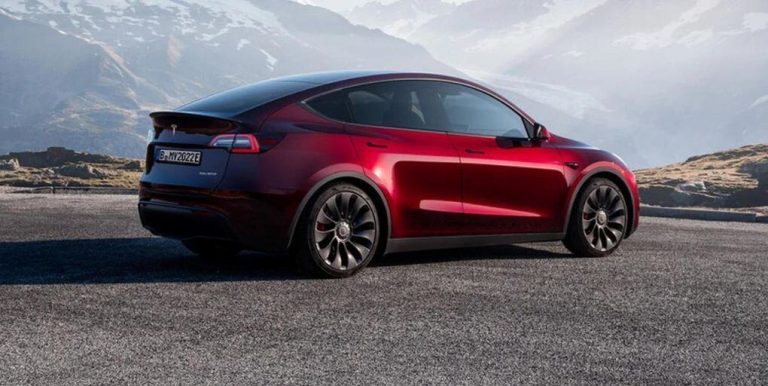
Recent trends in the German electric vehicle (EV) market show Volkswagen (VW) taking a strong lead while Tesla experiences a decline in sales. In the first quarter of 2025, Volkswagen has emerged as the top-selling electric car brand in Germany, with its vehicles dominating new registration figures. Data from Germany’s Federal Motor Transport Authority (KBA) indicates that VW registered 25,393 purely electric cars between January and March 2025, far outpacing Tesla, which recorded only 4,935 new registrations in the same period—a significant drop that places Tesla in eighth place among EV manufacturers in Germany.
This shift highlights VW’s firm grip on the market, bolstered by its diverse lineup of electric models from brands like VW, Skoda, Audi, and Seat, which collectively hold a substantial share of new EV registrations. Tesla’s sales in Germany have seen a sharp decline, with a reported 62.2% drop in the first quarter of 2025 compared to the same period in 2024. This downturn contrasts with an overall increase of 38.9% in new electric vehicle registrations in Germany during the same timeframe, suggesting that the broader EV market remains robust despite Tesla’s struggles.
Several factors may be contributing to Tesla’s decline, including an aging model lineup, increased competition from German automakers like VW and BMW (which registered 10,315 EVs in Q1 2025), and potential backlash against Tesla CEO Elon Musk’s political activities, such as his support for Germany’s far-right Alternative fu?r Deutschland (AfD) party. Meanwhile, Volkswagen’s strong performance underscores its ability to capitalize on local market preferences and stricter CO2 emissions targets, solidifying its dominance in the German EV landscape as of early 2025.
Register for Tekedia Mini-MBA edition 20 (June 8 – Sept 5, 2026).
Register for Tekedia AI in Business Masterclass.
Join Tekedia Capital Syndicate and co-invest in great global startups.
Register for Tekedia AI Lab.
VW’s lead strengthens Germany’s position as a powerhouse in the automotive sector, particularly in the transition to electric mobility. This could translate into sustained job growth in manufacturing, R&D, and supply chains, especially in regions like Lower Saxony, where VW is headquartered. It also reinforces confidence in German engineering amid global competition. Tesla’s sales drop in Germany, a key European market, may force the company to rethink its pricing, production, and marketing strategies. With its Berlin Gigafactory operational, Tesla’s declining market share could lead to underutilized capacity, impacting profitability and potentially prompting cost-cutting measures or shifts in focus to other regions.
The shift suggests German consumers may prefer locally produced EVs, possibly due to brand loyalty, better alignment with local needs (e.g., smaller, more affordable models), or incentives favoring domestic manufacturers. This could influence other European markets, where VW also has a strong presence. VW’s success, alongside BMW’s solid performance, intensifies competition in the EV sector. This could accelerate innovation as Tesla, once a market leader, faces pressure to refresh its aging lineup (e.g., Model 3 and Model Y) and counter offerings like VW’s ID. series or BMW’s i4 and iX. Smaller players or new entrants may struggle to keep pace.
VW’s dominance may reflect a more robust supply chain strategy, leveraging local suppliers and avoiding the disruptions Tesla has faced globally (e.g., shipping delays or semiconductor shortages). This could push other automakers to localize production further, reshaping global EV supply networks. VW’s investment in battery technology and software (e.g., through its PowerCo subsidiary and partnerships) might be paying off, giving it an edge over Tesla’s reliance on its established but less diversified tech ecosystem. This could set a precedent for integrated, scalable EV platforms.

VW’s rise aligns with the European Union’s push for self-sufficiency in critical technologies like EVs and batteries, reducing reliance on foreign firms like Tesla or Chinese manufacturers e.g., BYD, which is also gaining traction. This could bolster EU subsidies and regulations favoring European automakers, amplifying VW’s advantage. Tesla’s sales decline may partly stem from Elon Musk’s vocal support for Germany’s AfD party, which has alienated some consumers and drawn scrutiny from German regulators. This highlights how corporate leadership’s political stances can impact market performance, especially in politically sensitive regions.
If Tesla’s European foothold weakens, it could cede ground to European and Chinese competitors in the global EV race. Germany’s market trends might signal a broader shift, with implications for Tesla’s dominance in the U.S. and its ambitions in Asia, where VW and others are also expanding. VW’s dominance could stabilize Germany’s EV adoption trajectory, supporting the country’s 2035 goal to phase out combustion engines. However, Tesla’s decline might dent its brand prestige, prompting a response—perhaps a price war or new model launches—that could disrupt the market again.