

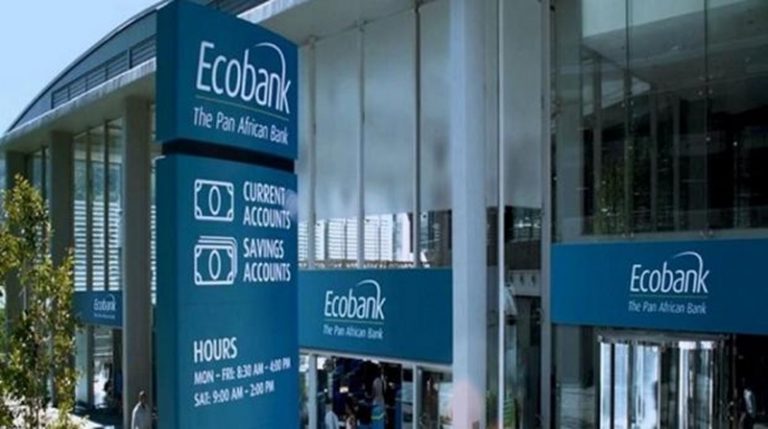
Ecobank Transnational Incorporated (ETI) has announced the successful completion of a $125 million tap of its existing $400 million 10.125% Notes due October 15, 2029, bringing the total size of the offering to $525 million.
The tap, priced at a premium of 102.634, carries an effective yield of 9.375%, 100 basis points below the original issuance, highlighting improved market confidence in the Pan-African banking group.
In a press release issued on May 19, 2025, ETI stated that the newly issued Notes will be consolidated and form a single series with the original $400 million Eurobond issued in October 2024. The proceeds of the tap will be primarily used to refinance upcoming debt maturities, in line with the bank’s stated objective to optimize its capital structure.
Register for Tekedia Mini-MBA edition 20 (June 8 – Sept 5, 2026).
Register for Tekedia AI in Business Masterclass.
Join Tekedia Capital Syndicate and co-invest in great global startups.
Register for Tekedia AI Lab.
“This tap enhances our financial flexibility and further reinforces our presence in the global capital markets,” said Jeremy Awori, Group CEO of ETI. He described the transaction as “a clear demonstration of investor confidence in our credit profile and long-term strategy.”
According to the bank, the transaction received strong support from a broad and geographically diverse investor base. Final order books were more than twice oversubscribed, with participation from institutional investors across Africa, Europe, the United States, Asia, and the Middle East. The subscriber mix included asset managers, development finance institutions (DFIs), and banks.
“The issuance supports ETI’s goal of extending debt maturity and diversifying funding sources,” said Ayo Adepoju, Group Chief Financial Officer. He emphasized that this strategic move was part of the Group’s ongoing efforts to improve its liability profile and balance sheet strength amid tightening financial conditions globally.

The bank also acknowledged the critical roles played by its financial partners in the execution of the transaction.
“We appreciate the support of Absa, the Africa Finance Corporation (AFC), Afreximbank, Mashreq, Standard Chartered, EDC, and Renaissance Capital Africa in making this transaction successful,” Adepoju added.
Favorable Pricing Signals Market Confidence
The $125 million tap was priced at a yield of 9.375%, which is significantly lower than the 10.125% yield on the original notes issued in 2024. The pricing improvement is indicative of both a favorable shift in market sentiment and ETI’s enhanced standing among international debt investors. The decision to issue at a premium—102.634—allowed the bank to raise capital at a lower cost while offering additional liquidity to the existing bondholders.

This latest issuance follows ETI’s broader refinancing strategy to extend its debt maturity profile and alleviate short- to medium-term repayment pressures, particularly in light of ongoing macroeconomic volatility across African markets.
Rising Borrowing Costs, FX Exposure Remain Risks
Despite the favorable pricing of the tap, the issuance adds to ETI’s stock of USD-denominated liabilities, which exposes the Group to foreign exchange and interest rate risks, especially in Nigeria and other African markets where currencies have seen significant depreciation over the past year.
According to ETI’s unaudited financial results for the first quarter of 2025, the Group’s total borrowed funds stood at N3.341 trillion as of March 31, 2025—slightly higher than N3.333 trillion recorded in December 2024. The Q1 2025 interest expense on borrowings amounted to N70.18 billion (US$45.94 million), marginally above the N69.54 billion (US$51.83 million) reported in Q1 2024. While the naira value of the interest expense rose, the USD figure slightly declined, suggesting the impact of exchange rate adjustments.
For the full year 2024, the Group’s total interest expense on borrowings surged to N305.7 billion (US$205 million), compared to N117.9 billion (US$182 million) in 2023. The increase was driven by a combination of higher debt levels and rising global interest rates, which affected the cost of funding for African corporates.
Strategic Debt Management Amid Volatility
The additional issuance offers ETI temporary relief in managing its upcoming maturities, but analysts caution that currency depreciation, inflationary pressures, and global monetary tightening remain challenges for the Group.
Ecobank is attempting to mitigate future volatility in interest and FX markets by refinancing at a lower yield and locking in longer-term funding. However, the bank’s growing exposure to hard currency liabilities also means that any sharp depreciation in local currencies could significantly increase debt servicing costs in local terms.
Ecobank’s management has reaffirmed its commitment to proactive balance sheet management. In an earlier note to investors, the Group said it would “continue to explore opportunities to strengthen capital buffers, manage risks, and improve resilience in the face of macroeconomic uncertainties.”
With this latest tap, ETI has not only achieved a favorable refinancing outcome but also signaled a degree of credit strength that allows it to attract diverse global capital despite tightening global financial conditions.
The outcome of this deal is expected to give the bank room to focus on growth areas across its 33-country footprint while continuing to closely monitor liquidity, FX exposure, and global debt markets.