

Egypt and Qatar have moved to deepen their energy partnership at a time when gas supply security is becoming increasingly critical for Cairo, signing a memorandum of understanding that formalizes cooperation on liquefied natural gas sales and imports and positions Qatar as a key supplier ahead of the summer demand peak.
The development is seen as a clear signal that Cairo is recalibrating its gas strategy after a sharp reversal of fortunes that has seen Africa’s largest gas producer increasingly reliant on imports to keep the lights on.
The memorandum of understanding covers LNG sales and imports, with specific provisions for supplying Qatari cargoes to Egypt’s Ain Sokhna and Damietta ports. QatarEnergy said the agreement includes the delivery of up to 24 LNG cargoes during the upcoming summer, a critical period when electricity consumption spikes and gas shortages have, in recent years, triggered rolling power cuts and public frustration.
Register for Tekedia Mini-MBA edition 20 (June 8 – Sept 5, 2026).
Register for Tekedia AI in Business Masterclass.
Join Tekedia Capital Syndicate and co-invest in great global startups.
Register for Tekedia AI Lab.
At its core, the deal reflects the widening gap between Egypt’s gas supply and demand. Once buoyed by major offshore discoveries and rising output, Egypt had positioned itself as a regional energy hub, exporting LNG to Europe and neighboring markets while processing gas from Israel and, potentially, Cyprus. That ambition has been steadily undermined since late 2022, when domestic production began to decline.
Official data illustrates the challenge. Egypt produced 3,635 million cubic meters of gas in October last year, up slightly from September but still well below the 3,851 million cubic meters recorded in the same month of 2024, according to figures from the Joint Organizations Data Initiative. The decline has persisted even as demand continues to rise, driven by population growth, industrial expansion, and a power sector that depends heavily on gas-fired generation.
This imbalance has forced Egypt into an uncomfortable position. Instead of exporting surplus LNG, Cairo has increasingly had to compete on the global market for cargoes, often at premium prices, while also boosting pipeline imports from Israel and planning future inflows from Cyprus. The cost of these imports has strained public finances at a time when Egypt is already grappling with inflation, currency pressures, and a broader economic reform programme.

Against that backdrop, the agreement with Qatar offers a measure of stability. Qatar is the world’s largest LNG exporter, with vast reserves and a well-established shipping and trading network. Securing up to 24 cargoes for the summer gives Egypt a clearer line of sight on supply during peak demand months, reducing the risk of sudden shortages or emergency purchases on the spot market.
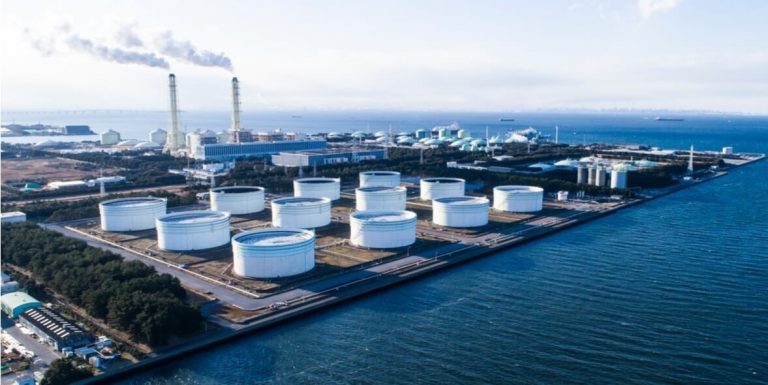
The choice of Ain Sokhna and Damietta as delivery points is also telling. Ain Sokhna hosts Egypt’s floating storage and regasification units, which allow LNG imports to be quickly converted back into gas for domestic use. Damietta, long associated with LNG exports, underscores how Egypt’s infrastructure is being repurposed as circumstances change. Facilities once built to ship gas abroad are now increasingly critical to meeting domestic needs.
For Qatar, the deal strengthens its footprint in a strategically important market. As Doha presses ahead with massive capacity expansions at the North Field, it has been keen to secure long-term and medium-term outlets for its LNG. Egypt, with its large population, growing energy demand, and established infrastructure, represents an attractive partner, particularly within the Middle East and North Africa region.

The agreement also fits into a broader regional pattern of energy cooperation. Middle Eastern producers and consumers are increasingly leaning on intra-regional trade to manage volatility in global markets and hedge against geopolitical shocks. Thus, sourcing LNG from Qatar may prove more predictable for Egypt than relying solely on spot cargoes that are vulnerable to swings in Asian or European demand.
Still, the deal highlights the distance between Egypt’s current reality and its stated ambitions. Petroleum Minister Karim Badawi said last week that Egypt plans to achieve self-sufficiency in oil and gas, according to a cabinet statement. That goal rests on boosting domestic production through new exploration, improved recovery from existing fields, and faster development timelines.
But some energy analysts caution that reversing the production decline will not be straightforward. Many of Egypt’s major gas fields are mature, and discoveries have been smaller and more complex. At the same time, investment decisions have been affected by payment arrears to international oil companies and broader fiscal constraints.
In the near term, LNG imports are likely to remain a fixture of Egypt’s energy mix, particularly during summer months. The deal with Qatar provides breathing room, but it also underscores how far Egypt has drifted from its earlier role as a net gas exporter.
Analysts believe that whether Cairo can stabilize production and regain that status will depend on sustained investment, regulatory clarity, and the pace of new discoveries. Agreements like this one with Qatar are usually less about expansion and more about damage control, ensuring that power generation and economic activity are not derailed by fuel shortages as demand continues to climb.