

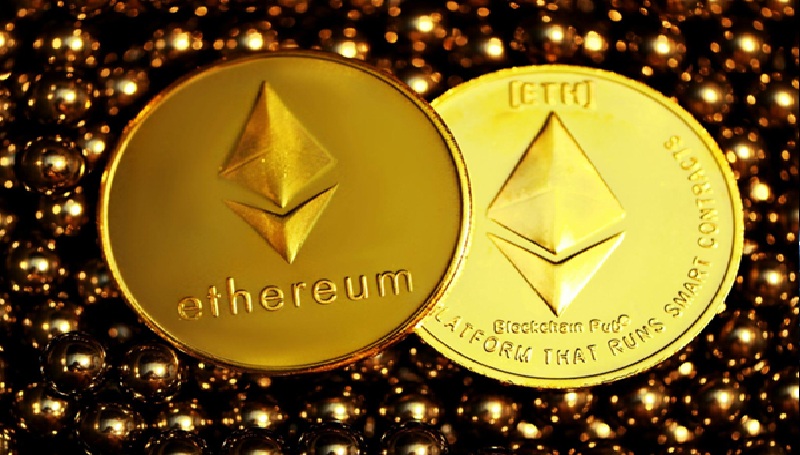
Ethereum’s upcoming Glamsterdam upgrade is facing fresh scrutiny after security audits warned that changes associated with the network’s next major development milestone could potentially disrupt as many as 15,000 decentralized applications.
At the same time, Coinbase has demonstrated the growing importance of artificial intelligence in cryptocurrency security, revealing that its AI-powered defenses blocked approximately $4.7 million connected to a deepfake Elon Musk Tesla giveaway scam.
The developments highlight two important challenges confronting the digital asset industry: maintaining blockchain infrastructure reliability and protecting users against increasingly sophisticated cybercriminals.
Register for the next Tekedia Mini-MBA.
Register for Tekedia AI in Business Masterclass.
Join Tekedia Capital Syndicate and co-invest in great global startups.
The Glamsterdam upgrade is expected to introduce significant improvements to Ethereum’s underlying architecture, with developers pursuing greater scalability, efficiency and transaction processing capabilities.
However, security assessments have raised concerns about potential compatibility problems that could affect thousands of applications operating across the ecosystem.
Ethereum supports a vast network of decentralized finance platforms, NFT marketplaces, gaming applications, infrastructure providers and other blockchain-based services.

Many of these applications depend on established protocol behaviors, smart contract interactions and execution assumptions. Changes to the network’s underlying mechanisms could create unexpected complications for developers and users.
The possibility of affecting 15,000 applications is particularly significant because Ethereum’s value extends beyond its native cryptocurrency, Ether. Its ecosystem depends on interconnected applications, liquidity providers, wallets, exchanges and smart contracts.
If an upgrade introduces compatibility problems, disruptions could spread across multiple services, potentially affecting transactions, financial operations and user accessibility.

Audit findings should not automatically be interpreted as confirmation that 15,000 applications will break. Security reviews are designed to identify vulnerabilities before deployment.
Allowing developers to investigate risks, introduce patches and improve testing procedures. Ethereum’s development community will therefore need to prioritize comprehensive compatibility assessments, independent audits and coordinated communication before implementing potentially disruptive changes.
Meanwhile, Coinbase is confronting a different dimension of cryptocurrency security. The exchange reportedly used artificial intelligence-powered defenses to block $4.7 million associated with a fraudulent giveaway featuring a deepfake representation of Elon Musk promoting a supposed Tesla cryptocurrency promotion.
Deepfake technology allows criminals to create convincing videos, audio recordings and images featuring recognizable public figures. By impersonating influential personalities, scammers attempt to persuade unsuspecting investors to transfer cryptocurrency into fraudulent wallets or participate in fabricated investment opportunities.
Elon Musk remains a attractive target because of his influence across technology, electric vehicles and cryptocurrency markets. Fraudsters frequently exploit his public profile to make fraudulent promotions appear legitimate.
Particularly when promising cryptocurrency rewards or exclusive investment opportunities. Coinbase’s reported intervention demonstrates how artificial intelligence can strengthen fraud detection by identifying suspicious transactions, unusual account activity and patterns associated with known scams.
Unlike conventional security systems that depend heavily on predetermined rules, machine-learning technologies can analyze large volumes of information and identify emerging threats more rapidly.
However, AI-powered protection is not infallible. Criminals are adopting artificial intelligence to produce increasingly convincing impersonations, automate phishing campaigns and evade traditional security controls.
Exchanges must therefore continuously improve their detection systems while educating customers about suspicious investment opportunities.
Both developments demonstrate that cryptocurrency adoption requires more than technological innovation. Ethereum must ensure that network upgrades do not undermine existing applications.
While exchanges must protect investors against increasingly sophisticated fraud. The industry’s long-term credibility will depend on combining innovation with rigorous security, transparency and reliable infrastructure.